
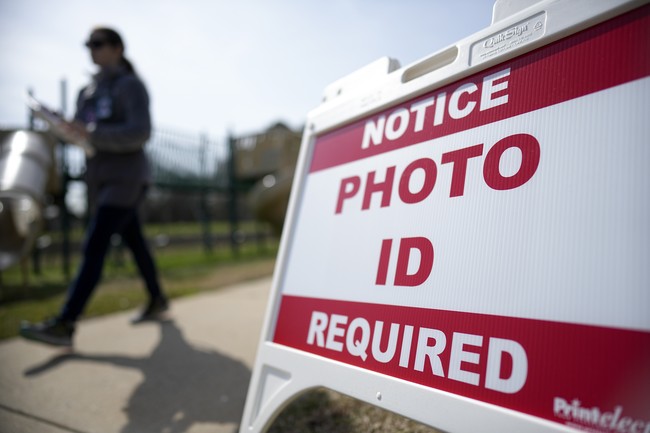
California voters have qualified a statewide initiative for the 2026 ballot that would require proof of citizenship to register and a valid ID to vote, a measure mirroring the SAVE America Act stalled in Washington, D.C.; supporters collected enough verified signatures to make it official and now face a high-stakes campaign to win a state often seen as unreceptive to such reforms,
The campaign driving this measure argues the proposal simply brings common-sense safeguards to voter registration and ballots, matching the central elements of federal legislation that can’t get through the Senate because of the filibuster. The initiative would require verification of citizenship at registration and require a photo ID to cast a ballot, putting the same standards into state law. Backers say this reduces fraud and restores confidence in elections without disenfranchising lawful voters.
Polling cited by supporters shows strong majorities for both components of the plan, with voter ID reportedly supported by 68 percent of likely voters overall and citizenship verification at 79 percent. Those numbers include broad cross-party support in the polls, with high levels among Republicans and meaningful majorities among Independents and Democrats. If those figures hold, the measure would reflect a notable voter consensus in favor of verification and ID requirements.
Opponents are already preparing to wage an expensive opposition campaign, and that’s where the battle will be decided. Expect heavy spending from major Democratic donors and well-funded groups focused on preserving current voting rules, which will frame the initiative as restrictive or exclusionary. Supporters warn outside money will try to drown grassroots organizing, but they also point to polling that suggests the core ideas resonate with everyday voters across party lines.
Those supporting the initiative are framing it as an issue of basic fairness: if you must show ID for a host of routine transactions, voting should be no different. They argue that establishing a clear, verifiable process for registration and ballots prevents questions about results and protects the integrity of elections. The message emphasizes that safeguards are not about blocking votes but ensuring that every counted vote is legally cast by a citizen.
Critics counter that ID requirements can create hurdles for people with limited access to documentation or transportation, and they stress protections or accommodations must be included. That debate over implementation details is likely to be central in campaign ads and public hearings, as each side looks to persuade swing voters. The outcome in California could set a template for other states considering similar measures.
Campaign veterans warn the real contest won’t be decided on the merits alone but on messaging and money. California’s sheer population and media markets mean the fight will attract national attention and funding, with liberal groups likely to mobilize heavily to defeat the amendment. Proponents view a win in California as a strategic breakthrough that could normalize voter verification reforms in other big states.
Historical and recent polling nationwide shows persistent, strong support for voter ID among the public, and proponents point to that as evidence the issue transcends partisan divides. They cite surveys suggesting large majorities of Americans, including many Democrats, back basic ID requirements and verification to prevent fraud. That public sentiment fuels confidence among reform advocates who believe the initiative can win despite predictable opposition from established interests.
The campaign will also hinge on execution: how clearly proponents explain who benefits and how the process will work, and how effectively opponents frame the proposal as exclusionary. Organizers for the measure are preparing targeted outreach to communities and emphasize accommodations to ensure no eligible voter is left behind. The political muscle and narrative control displayed in the coming months will shape whether California voters accept what proponents call a straightforward fix to election administration.
Editor’s Note: Republicans are fighting for election integrity by requiring proper identification to vote.
Grassroots organizers and political operatives on both sides are already planning field operations, and the initiative is likely to be one of the signature political fights in California over the next year. Observers will watch fundraising, ad buys, and the messages that cut through the noise as both camps try to define the measure for voters. If it passes, supporters say it would be a landmark win with ripple effects well beyond state lines, while opponents vow to make defeating it a top priority.

Add comment