
First Lady Melania Trump announced an expansion of the White House beekeeping program with a newly installed hive on the South Lawn that adds two colonies and boosts annual honey output, supports pollination of the Kitchen Garden and Flower Cutting Garden, offers educational opportunities for visitors, and will be showcased during a state visit by King Charles III and Queen Camilla.
The White House confirmed a new, handcrafted beehive has been installed on the South Lawn to expand the existing honey program. The new hive adds two colonies to the two already producing the signature White House honey, increasing resilience and production at the same time. This move builds on a tradition of beekeeping at the executive residence that dates back to earlier administrations and aims to connect visitors with food production and pollination. It is a small but tangible example of stewardship that ties gardens, culinary use, and outreach together.
The new @WhiteHouse beehive is expected to increase annual honey production by an estimated 30 pounds, allowing for even greater use in preparing White House culinary dishes, serving as official gifts from the @POTUS and @FLOTUS, and supporting charitable donations of healthy foods to local food kitchens.
Officials say the extra production, roughly 30 additional pounds a year, will be used by the Executive Residence chefs, given as official gifts, and donated to local food kitchens. The expansion is presented as both practical and symbolic, supplying teas, dressings, and desserts while supporting community programs. Hand-crafted by a local artisan in the image of the White House, the hive and base were designed by Executive Residence staff and highlight local craftsmanship. Funding came through private mechanisms tied to the Trust for the National Mall, keeping the project within philanthropic support rather than regular appropriations.
First Lady Melania Trump announced the expansion of the White House honey program with the addition of a newly installed and fully functioning beehive on the South Lawn. Hand-crafted by a local artisan in the image of the White House, the beautiful, new hive will add two new bee colonies to the existing two colonies that already produce the signature White House honey.
The new hive is expected to increase annual honey production by an estimated 30 pounds, allowing for even greater use in preparing White House culinary dishes, serving as official gifts from the President and the First Lady, and supporting charitable donations of healthy foods to local food kitchens.
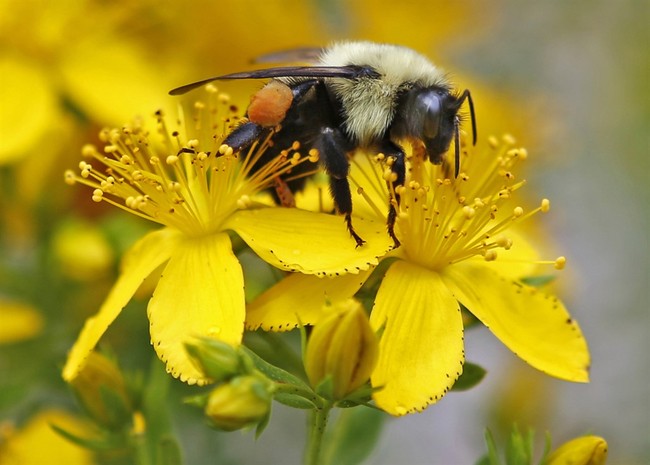
The installation will support the existing colonies in pollinating the nearby White House Kitchen Garden, Flower Cutting Garden, and vegetation on the National Mall. It will also serve as an educational feature, offering potential opportunities for visitors on the South Lawn to get a closer look at a working colony and learn about pollination and food production firsthand.
The White House honey is described as having a light clover and basswood profile with a subtle hint of citrus, flavors the residence’s chefs use regularly. That description ties the beekeeping effort directly to the culinary life at the executive residence, where ingredients grown on site are incorporated into meals. The expansion also explicitly supports pollination for the Kitchen Garden, the Flower Cutting Garden, and surrounding plantings on the National Mall. In practical terms, more bees means better fruit set, more abundant herbs and vegetables, and healthier ornamental plantings across the grounds.
Education and public engagement are central to the announcement, with the hive intended as an interpretive feature for visitors on the South Lawn. Officials suggest that guests on tours will have a chance to observe or learn about a working colony and pollination up close. That hands-on framing is meant to connect history, agriculture, and environmental stewardship for visitors who rarely see beekeeping in an urban, high-profile setting. The presentation taps into broader public interest in pollinators and food systems without technical jargon, keeping the message accessible.
The timing of the unveiling echoes the 250th anniversary of American independence, and the announcement referenced historical ties between early American beekeeping and economic life. Colonists used bees and honey production to avoid some colonial taxes, relying on local resources for sweetening, medicine, and barter, which ties the practice into a longer American story of resourcefulness. By noting that lineage, the current expansion places a modern White House program in a historical context of American self-reliance. The reference frames bees as both practical producers and symbols of domestic industry.
WATCH
On the afternoon of Monday, April 27, the President and First Lady will greet Their Majesties when they arrive to the South Portico of the White House. The couples will then head to the State Floor where they will sit for tea in the Green Room.
After tea, Their Majesties will join the President and First Lady for a tour of the newly unveiled and expanded White House Beehive, which is nestled on the South Lawn near the White House Kitchen Garden.
The beehive expansion is scheduled to be part of the program when King Charles III and Queen Camilla visit, with a tea on the State Floor and a subsequent tour of the South Lawn features. Including the hive on a state visit highlights the diplomatic and ceremonial facets of modest, everyday projects at the White House. By showing gardens, culinary programs, and conservation work to visiting royals, the administration uses practical initiatives to project values about stewardship and hospitality. The tour underscores how simple investments in pollinators can become public moments with international guests.
The announcement emphasizes collaboration with White House Chief Horticulturist Dale Haney and local apiarists who aid colony health and garden integration. Local artisans and craftspeople also had roles, reflecting a preference for community partnerships in this kind of programming. The stated goal is to marry tradition, conservation, and civic outreach while giving the residence a modest, functional increase in a kitchen ingredient. For visitors and residents alike, the expansion signals a low-profile but meaningful investment in pollinators and the food systems they support.



Add comment