
This article explains how Florida’s Medicaid integrity effort under Gov. Ron DeSantis targets fraud rather than cutting legitimate autism therapy, outlines the scale of suspected abuse nationally, compares Florida’s targeted approach to blunt rate cuts in other states, and highlights the urgent need for careful execution so families in Palm Beach County and elsewhere are not left without care.
Florida recently sent letters to some families in Palm Beach County saying Medicaid would no longer pay for their children’s autism therapy, and that understandably sparked alarm. The immediate reaction from some quarters was to claim the governor is deliberately denying care, but the reality is tied up in a broader, deliberate effort to root out fraud that has ballooned Medicaid spending on autism services across the country.
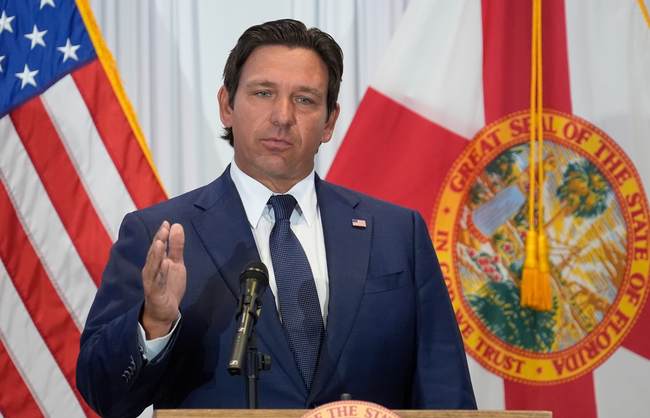
DeSantis announced a statewide Medicaid Integrity Initiative aimed at stopping fraud before it starts by tightening enrollment, not by slashing therapy rates. The Agency for Health Care Administration now revalidates every active Medicaid provider and partners with an identity‑verification firm to catch stolen and synthetic identities and opaque ownership structures during enrollment. High‑risk provider categories face moratoriums, and providers who cannot revalidate risk being dropped from the program.
The AHCA reports it has terminated or denied enrollment to more than 3,200 providers over the past two years and recovered more than $72 million in improper payments last year alone. Those actions are aimed at providers committing fraud, not at reducing payment for a legitimate hour of therapy. That distinction matters because unchecked fraud diverts real dollars away from kids who need real care.
Nationally, the numbers behind the concern are stark and demand aggressive response. Medicaid spending on autism therapy jumped 403 percent between 2019 and 2024, and specific state examples are jaw‑dropping: Minnesota’s spending rose from $670,000 to $342.8 million in that span, a 50,988 percent increase. Federal audits and prosecutions in several states have flagged millions in questionable billing; those case files are the context for Florida’s preemptive approach.
Other states have reacted differently, and not always well. Some have cut Medicaid payments for Applied Behavior Analysis therapy by up to 80 percent or floated payment caps to claw back spending quickly. Those across‑the‑board rate cuts hit honest providers and families as hard as bad actors, because they are blunt instruments designed to save money fast rather than to separate fraud from legitimate care.
Florida’s model is designed to be surgical: weed out fake providers while protecting legitimate clinicians and families. That is the politically and practically correct aim for a state mindful of both taxpayers and patients. If a state can block enrollment by fraudsters who bill for therapy that never occurred, then real dollars can flow to the real clinics providing real hours of treatment for children who need them.
The Palm Beach County situation involving Reflection Services ABA Therapy in Lake Worth is the immediate test. Families say their children lost coverage abruptly and that the agency did not explain why. If the integrity initiative is to become a national model, the state must give those families clear answers and an expedited route back to care if their provider is innocent.
A screening program that cannot distinguish crooked operators from innocent families hands opponents of fraud enforcement easy talking points and fuels the narrative that fraud fights are just benefits cuts. Getting decisions right on a case‑by‑case basis is the operational hard part and will determine whether Florida’s approach spreads or is dismissed as heavy handed and unfair.
There is a deeper systemic driver behind the fraud problem that policy must confront. Private equity has bought into more than 500 autism centers over the past decade, with four out of five deals closing in the last four years. When the same company profits every time a child is billed for another hour of therapy, the incentives tilt toward more diagnoses and more billed hours rather than better outcomes.
Children on Medicaid are now 2.5 times more likely to receive an autism diagnosis than children on private insurance, a disparity that experts rightly question as purely medical. Every improperly claimed dollar is a dollar not reaching a family that needs intensive, evidence‑based treatment, and that is why protecting both kids and taxpayers should be the north star of reform.
Florida is closer than most states to building a system that can tell honest providers from fraudsters, and the stakes are significant. Whether that system protects families like those in Lake Worth while stopping abuse everywhere else is the crucial next chapter for the state’s policy experiment.
Editor’s Note: The Democrats are actively fighting against all attempts to fight fraud in healthcare, government benefits, and voting. They want the country to fund fraudsters and grifters at YOUR expense.



Add comment