
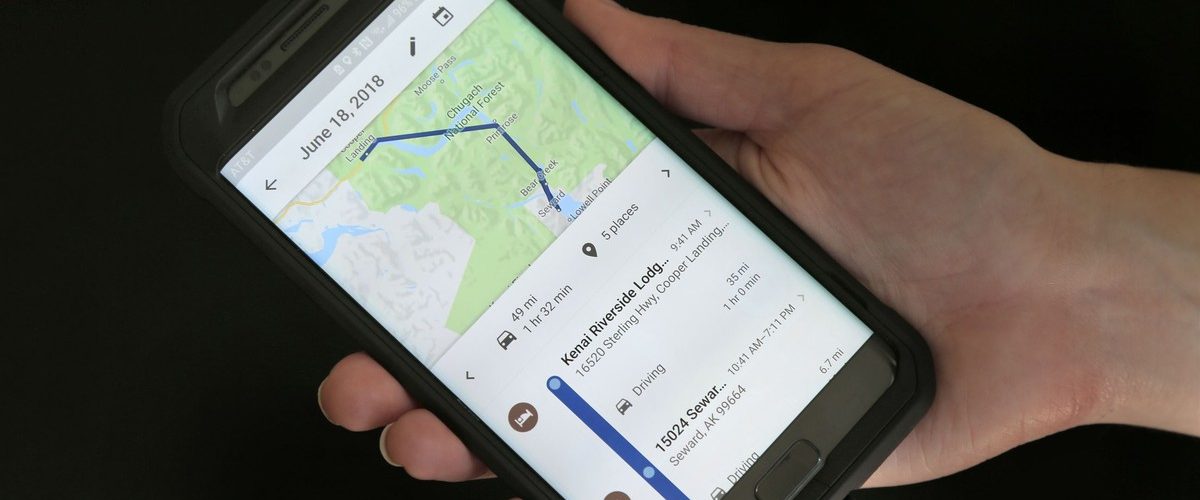
Google ran a six-month experiment that quietly nudged drivers onto slower routes in 10 U.S. cities, shifting traffic patterns without informing those affected. The company’s researchers altered route rankings on certain days to reduce congestion elsewhere, measured gains in citywide speeds using Google’s own data, and released a paper with limited external access to the raw trip records. The move saved an average of about 30 seconds per trip for the system while adding small delays for some individual drivers, and the study was peer-reviewed in Nature Cities despite the data remaining confidential. This raises questions about consent, transparency, and whether a private company should treat commutes like a resource to reallocate.
For six months, Google applied a hidden penalty to selected routes in about 100 repeat trouble spots per city, so those options appeared less attractive and drivers were more likely to pick alternate roads. On other days the app behaved normally, and drivers had no idea which scenario applied. Researchers then compared outcomes across the different days to estimate the experiment’s effects on congestion and travel times.
Los Angeles showed the largest benefit, with citywide speeds improving by 4.56 percent on test days. Atlanta’s result included a 3.3 percent improvement after shifting some I-85 drivers onto I-285, and the median change across targeted roads was two percent. Google reported that speeds across every road touched by the test rose 0.35 percent overall and that trip times fell 0.69 percent, all calculated from Google’s own measurements and datasets.
Those numbers came from Google’s internal data and statistical code, which the company released selectively while classifying raw trip and traffic information as confidential business information. Independent researchers could not inspect the underlying records, and outside parties have no direct way to validate the calculations or the data selection choices made for the analysis. That lack of transparency is central to the controversy: a private experiment with public consequences, reviewed but not fully replicable.
Google framed the strategy as “proactively shaping traffic flow for the benefit of society,” deliberately placing slower routes first for some users to redistribute traffic and ease jams elsewhere. The company’s blog and paper described the intervention as a way to smooth congestion at the network level, but the policy also meant some drivers experienced slightly longer trips without prior notice or consent. The average per-trip effect was small—a roughly 30-second cost to those rerouted, and an average time saving of 0.25 percent noted in the paper—yet it affected millions over six months.
Critics point out that navigation apps helped create the very problem this experiment aims to fix by optimizing for individual drivers and flooding quieter neighborhood streets with shortcuts. A 2019 analysis warned that apps typically optimize to minimize a single driver’s travel time, which can divert traffic into residential areas and strain local streets. Cities have sometimes had to change street patterns after navigation apps turned low-traffic roads into commuter shortcuts, underscoring how much influence routing platforms now hold over urban mobility.
Google has also offered other tools to cities, such as AI-generated traffic signal timing suggestions under Project Green Light, but municipal engineers have not always accepted those recommendations. Seattle reversed at least one change that worsened traffic, and Manchester largely declined most suggestions because the AI did not account for buses, schools, or local constraints. Aleksandar Stevanovic, who studies traffic control at the University of Pittsburgh, summarized the limits: “Traffic has so many uncertainties. In one hour, you can have five different goals that you want to achieve.”
All of the paper’s authors worked or worked for Google Research, and the company controlled access to the full dataset. Nature Cities peer-reviewed the study, which released statistical code and selected outputs but kept the trip-level records private. That combination of corporate authorship, confidential data, and selective release of methods has fueled concern about whether dominant tech firms should run system-level experiments that affect the daily lives of millions without broader oversight.
The experiment shows a tradeoff between system performance and individual choice: small aggregate improvements for the network came at the cost of modest, sometimes unannounced detours for drivers. A trillion-dollar company made the technical and ethical decision to treat commute time as a reallocatable resource, and the debate now is whether society should accept those tradeoffs when the experiment’s data and full methods remain unavailable for independent scrutiny.


Add comment