
The recent court decision allowing Democratic state attorneys general to question officials about the HPE–Juniper merger exposes a political pattern: policy decisions meant to strengthen U.S. tech competitiveness are being reframed as partisan witch hunts, even when intelligence experts say national security is at stake.
The HPE–Juniper merger was approved after the Trump administration reviewed national security implications and backed a settlement that allowed the deal to proceed. That approval followed direct input from senior intelligence professionals who argued the combination would help the United States compete against China in telecommunications and AI-enabled infrastructure.
Democratic attorneys general stayed on the sidelines initially and only intervened after the administration endorsed the settlement, then demanded depositions and raised accusations. Their late surge of outrage looks less like a principled antitrust effort and more like targeted lawfare aimed at undermining a political opponent.
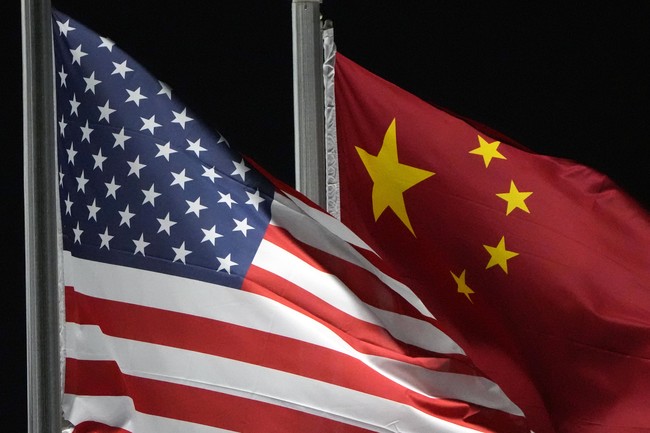
This approach matters because the merger was not merely a corporate transaction; it was a strategic response to a real threat posed by Beijing-backed telecom firms. Huawei has been widely identified as a national security risk and has been restricted by Congress and U.S. allies because of state subsidies, market coercion, and surveillance concerns.
Telecommunications infrastructure is now a key battleground in the broader U.S.-China competition, and allowing domestic companies to strengthen their positions is a necessary part of defense. When intelligence experts who spend their careers assessing foreign threats say a deal helps American competitiveness, their judgment should carry weight in the public debate.
Instead, the new line from some Democrats is to cry “corruption” and accuse the administration of “Trump backroom dealmaking,” framing national-security-informed decisions as political favors. That rhetoric undercuts the very institutions previously treated as sacrosanct when their assessments fit other political narratives.
Historically, both parties have recognized the need to counter China’s push to dominate global telecom standards and infrastructure, a drive that aims to control the backbone of the 5G and AI future. But now, similar policies get rebranded as xenophobia or favoritism whenever they intersect with political advantage for one side.
This partisan posture risks sidelining long-standing bipartisan goals like countering Chinese state capitalism and protecting critical infrastructure. When policymakers prioritize scoring political points over pragmatic national-security measures, the country weakens its strategic posture against a rival that coordinates state power and industry aggressively.
The pattern goes beyond this merger. Positions once defended by Democrats—tough stances on unfair trade, industrial theft, and controlled immigration—are now dismissed if they appear to help a political adversary. The inconsistency suggests opposition for opposition’s sake rather than a coherent policy debate about national interest.
Practical decisions, like approving a $14 billion acquisition to shore up American networking capability, are being treated as evidence of corruption instead of as attempts to strengthen supply chains and technological defenses. That reaction discourages officials from making tough calls based on security assessments, because the political cost can be immediate and personal.
America faces a strategic competitor willing to fuse state resources with corporate power without apology, and that requires consistent, sober policy responses. If political gamesmanship drives legal actions and media narratives, the United States will cede ground in critical sectors where leadership matters for economic and military strength.
Holding government accountable is essential, but so is recognizing when legal challenges serve partisan theater rather than public security. Questioning decisions that intelligence officials endorse when those decisions benefit a political rival erodes trust in both institutions and the national strategy needed to contend with China’s rise.



Add comment