
Checklist: summarize the hearing and Clinton’s stance; recount links to Epstein and eyewitness claims; highlight the Democratic angle and fallout; present the congressional deposition and key quotes; preserve embeds and quoted testimony.
Bill Clinton sat for a closed-door deposition with the House Oversight Committee and stuck to a simple line: “I saw nothing, and I did nothing wrong.” The exchange revisited years of association between the Clintons and Jeffrey Epstein, and it put a former president under the unusual pressure of being compelled to testify to Congress. What played out in Chappaqua felt less like a search for nuance and more like a political theater that has been building for decades.
The hearing arrives after Hillary Clinton’s own deposition the day before, where she denied meeting Epstein and claimed no knowledge of his crimes. That testimony reopened old questions about who in elite circles associated with Epstein when his legal troubles were already on record. Skeptics point out oddities like known associates appearing at family events, and those details have kept the story alive in the public eye.
On Friday, Republicans pressed Bill Clinton on flights on Epstein’s private jet and allegations that surfaced in victims’ statements, including claims Virginia Giuffre made about visits to Epstein’s island. Clinton’s answer was terse and repeated: “I saw nothing, and I did nothing wrong.” He framed his remarks as a denial of wrongdoing and a rebuttal to any implication of knowledge of abuse.
Former President Bill Clinton told members of Congress on Friday that he “did nothing wrong” in his relationship with convicted sex offender Jeffrey Epstein and saw no signs of his abuse, yet he faced hours of grilling from lawmakers over his connections to the disgraced financier from more than two decades ago.
“I saw nothing, and I did nothing wrong,” Clinton said in an opening statement he shared on social media at the outside of the deposition.
The closed-door deposition in Chappaqua, New York, marks the first time a former president has been compelled to testify to Congress. It came a day after Clinton’s wife, former Secretary of State Hillary Clinton, sat with lawmakers for her own deposition.
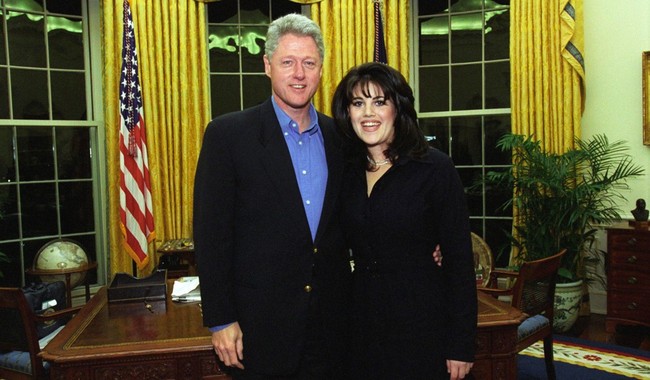
Republicans on Oversight repeatedly emphasized the optics of Clinton’s past behavior, reminding witnesses and the public of the president’s history with Monica Lewinsky and the durability of scandal in his legacy. That history complicates any attempt to wash this episode over quickly, and it gives political opponents fresh air to question judgment and associations. For many conservatives, this is not just about one man’s denials — it’s about accountability at the highest levels.
There are still unanswered specifics: logbooks, flight manifests, and testimony from victims that contradict the public denials. Witness accounts that place Clinton on Epstein’s jet and other documented sightings have not been fully reconciled with his statements. Those gaps keep investigators and the public from moving on, and they feed a narrative that power and privilege buy plausible deniability.
The political angle is unavoidable. Democrats hoped early Epstein revelations would force a reckoning that damaged Republican figures, while Republicans have used the disclosures to probe corruption and elite protection networks. What we’re left with is mutual damage: reputations tarnished, institutions questioned, and more reasons for voters to distrust established actors. For conservatives watching, the episode reinforces a larger critique of a political class that seems insulated from consequences.
Clinton’s posture during the deposition was part deflection, part fatigue; he maintained composure and leaned on denials. That demeanor may play well with some, but others see it as the same avoidance that surrounded earlier scandals. The takeaway for many Republicans and independents is simple: a powerful political family with unresolved ties to a convicted sex offender raises real questions about judgment and accountability.
Congressional leverage over a former president is a striking development in American politics and will be remembered regardless of immediate outcomes. The deposition does not close the book; it opens a new chapter where documents, witnesses, and public scrutiny will continue to matter. Expect continued pressure from lawmakers demanding transparency and answers that the public has waited far too long to see.

Add comment