
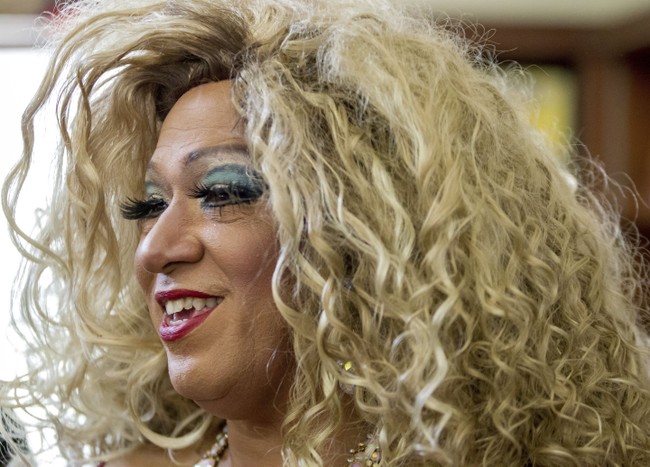
The 5th U.S. Circuit Court of Appeals has cleared Texas to start enforcing a 2023 law that limits public drag performances where children could be present, and the ruling has reignited debates about parental authority, free expression, and local control over public morality.
The appeals court renewed a prior ruling that allows Texas to enforce a statute targeting what the state terms “sexually oriented performances” in public spaces and locations frequented by minors. That move vacated a lower court injunction and sent the remaining First Amendment challenge back for further review, narrowing the parties who can pursue the case. The decision shifts the dispute back toward state officials and local institutions to define acceptable conduct around children.
Texas Attorney General Ken Paxton framed the outcome plainly as a win for protecting kids. He said, “I successfully defended a law protecting children from being exposed to sexually illicit content at erotic drag shows,” and added, “I will always work to shield our kids from exposure to erotic and inappropriate sexually oriented performances.” The statement aligns with a viewpoint that government has a role in shielding minors from explicitly adult material in public settings.
Critics, including civil liberties groups, argue the law is too vague and will chill performance and artistic expression across the board. They warn that broad language could sweep into theater, dance, and other live entertainment, effectively restricting material that adults might choose to consume. This is the classic clash: protect children versus preserve open artistic expression, and the court has decided to let the law stand for now while limiting who can press the constitutional claim.
There is an obvious public policy dimension that conservatives stress: decisions like this are best handled at the state level, where local communities set standards that match local values. Texas lawmakers wrote the statute to reflect those values, and the 5th Circuit has given the state breathing room to implement it. Letting states address sensitive cultural issues is consistent with Republican beliefs about federalism and parental primacy.
From a practical standpoint, the law targets performances described by its drafters as erotic or sexually explicit in venues accessible to children, including schools and libraries. Opponents point to possible overreach, saying routine artistic presentation could be labeled improperly under the statute. Supporters reply that ordinary arts like ballet or school theater rarely, if ever, involve explicit sexual content and can be managed without infringing on adult entertainment in private venues.
What remains central to the dispute is how “sexually illicit content” gets defined in practice and how narrowly courts will interpret the statute. The 5th Circuit panel limited standing to a single plaintiff and returned the remaining First Amendment issues for the lower court to revisit. That procedural narrowing means the high-level policy choice stays intact while the legal fight moves into a more technical phase about who can sue and which specific performances are protected.
The ACLU raised concerns that the law could chill a wide range of cultural activities, saying in part, “The law’s vague and sweeping provisions still create a harmful chilling effect for drag artists and those who support them, while also threatening many types of performing arts cherished here in Texas, from theater to ballet to professional wrestling.” That worry highlights how language in statutes can have broad ripple effects beyond the original target.
Conservative readers will note the tension between protecting children and preserving free expression, and many will side with limiting explicit adult displays where kids are likely to be exposed. The broader principle at stake is clear: parents and local communities should have strong influence over what minors encounter in public institutions. The court’s move to uphold enforcement reflects that leaning and sends a message about local control over cultural standards.
The litigation history is long: a 2023 trial court ruling found the law unconstitutional, the 5th Circuit vacated that order last year, and the appellate court recently declined a rehearing. For now, Texas officials can implement the law while the narrower First Amendment claim is reexamined below. The matter is likely to continue through the courts as advocates on both sides test the statute’s limits in practice.

Add comment