
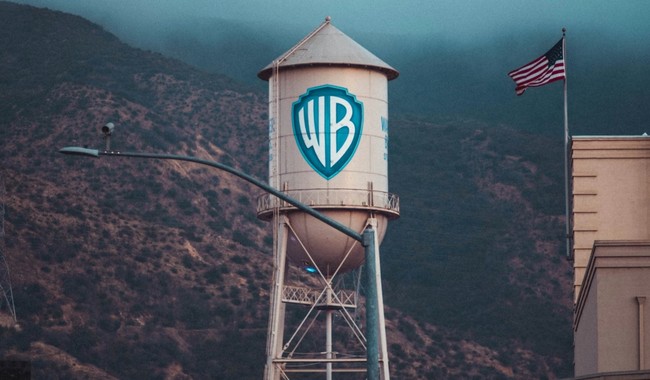
The Biden-appointed judge’s temporary halt of the Paramount Skydance and Warner Bros. Discovery deal stopped the merger in its tracks for now, keeping two major studios and their assets separate while state attorneys general press their case. This article explains the judge’s order, the competing arguments from the companies and state lawyers, the market math at issue, and what comes next in the litigation timeline.
On Monday, U.S. District Judge Araceli Martínez-Olguín issued a temporary restraining order preventing Paramount and Warner Bros. from closing their proposed merger for 14 days. The order bars the companies from combining operations while a further hearing on a preliminary injunction is set for August 3. The pause hands California Attorney General Rob Bonta and 11 other Democratic attorneys general a procedural victory after they sued to block the transaction.
Martínez-Olguín was nominated by Joe Biden and confirmed after a 48-48 Senate tie that required then–Vice President Kamala Harris to cast the deciding vote. Paramount’s announced deal values Warner Bros. Discovery at $81 billion in equity and $110 billion including debt, a transaction that would unite Warner Bros., HBO Max, CNN, CBS, Paramount+, and two of Hollywood’s largest studios. Republicans should note the political backdrop: a Biden judicial pick intervened to stall a merger the prior Justice Department approved.
The Trump administration’s Justice Department cleared the deal in June after an antitrust review that concluded the merger was unlikely to harm competition in streaming, linear television, or theatrical distribution. The states, led by California, disagreed and filed suit alleging the combination would eliminate a major competitor in wide-release movies, anticipated blockbusters, and basic cable programming. Those are concrete, market-level concerns focused on theatrical distribution rather than the broader streaming fight.
The states’ complaint includes specific market estimates: they say the merged company would control roughly 27 percent of wide-release theatrical distribution. Their expert also calculated the merger would raise the market concentration index by 359 points to a new total of 2,074. Martínez-Olguín limited her initial analysis to that theatrical market and concluded the states had shown enough to keep the companies apart while the litigation proceeds.
In her written order the judge said, “Plaintiff States’ showing at least demonstrates that serious questions going to the merits remain, weighing in favor of preliminary injunctive relief.” That passage is central: the court found unresolved, significant legal questions that justify preserving the status quo. The temporary order highlights practical risks if the closing happens now, such as the exchange of sensitive business data, consolidation of operations, and potential changes to staffing that could be irreversible.
Paramount pushed back with a firm defense, stating, “This merger is lawful, pro-competitive, and will benefit consumers, creators, workers, and the entertainment industry. We will continue to vigorously defend the transaction.” The company has argued the industry now includes newcomers like Amazon MGM and A24, and that merging would create a stronger streaming rival to Netflix and Amazon. The judge rejected the argument that streaming gains can offset competitive harm in the theatrical market, noting that potential benefits in one market cannot excuse harms in another.
Paramount had conceded in filings that a brief delay would not cause immediate financial injury, and the court’s order enforces that timeline by preventing cost-incurring actions related to closing until the end of September. The temporary halt is narrow but meaningful: it prevents irreversible integration steps that could make an unwind impossible if the states ultimately prevail. For now, the companies remain independent competitors while the legal battle plays out.
The legal contest will hinge on market definition, concentration calculations, and whether courts accept the states’ theory that the merger would meaningfully reduce competition in wide-release theatrical distribution. The state attorneys general have framed this as protecting consumer choice and preserving rivalry for major releases; the companies frame it as building a stronger competitor in an evolving entertainment landscape. The next big moment is the preliminary injunction hearing on August 3, where the court will weigh the same evidence on a longer-term basis.



Add comment