
The Transportation Security Administration quietly updated its rules about food in carry-ons, and the result is equal parts practical and absurd: passengers can now bring whole rotisserie chickens and other hearty meats through security, but many beverages remain restricted, reshaping what air travel snacks look like. This article walks through what changed, why it matters to travelers, and the political angle some commentators are already using to make a broader point about regulation and common sense.
Airports have always been a theater of small frustrations, and the new TSA guidance adds a fresh twist to that daily drama. Long waits, crowded jets, and the inevitable passenger discomfort are already part of flying; now the carry-on food scene is shifting toward solid meals rather than bottled drinks. The contrast feels almost intentional: bulky, fully cooked items are fine, while liquids still get treated like contraband.
The practical side is simple: solid food items that can be screened are allowed in carry-ons, which the TSA is emphasizing as a way to give travelers options. That opens the door for things like whole chickens, tamales, and pizza to pass through checkpoints without special permission. For people who travel with dietary needs or who want a real meal instead of airport fare, this is a useful change.
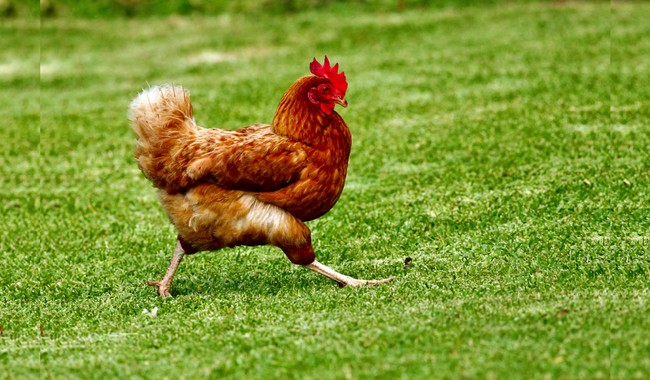
But the optics are what really stick in your head: allowing whole chickens through security while maintaining strict limits on drinks feels upside down to many. People joke about “poultry in motion,” and the humor lands because the policy highlights inconsistent priorities. It raises a fair question about whether rules are tuned to maximize safety or to create headlines.
The policy tweak also speaks to a deeper debate about bureaucratic logic versus everyday common sense. When agencies issue guidance that seems quirky or out of step with how people live and travel, it feeds frustration. Conservatives who value limited, sensible government will point out that rules should protect safety without turning normal behavior into an exercise in compliance theater.
From a traveler’s standpoint, there are real trade-offs. Bringing solid food can reduce your reliance on overpriced terminal concessions, and for those with special diets, being able to carry a prepared meal is a relief. On the flip side, packed carry-ons stuffed with bulky items could slow down screening lines and create cabin storage headaches during boarding.
Security officials defend the distinctions because liquid threats have long been the focus of aviation safety; solids are easier to inspect and less likely to conceal dangerous agents. That argument has practical merit, and it’s the same reasoning that kept liquids limited after the incidents that prompted strict screening. Still, skeptics will wonder why we’ve solved the chicken problem but still treat a small bottle of water like a smuggling attempt.
The policy also gives airlines and travelers new things to consider when planning a trip. If a family packs meals for a long flight, overhead bin space becomes more precious and gate-checking logistics more common. Cabin crew and gate agents will adapt, but passengers should expect some bumps as habits change. Smart travelers will rethink packing strategies to keep queues moving and to avoid overhead bin conflicts.
At the cultural level, the whole-chicken moment has already become fodder for commentary and satire, and that’s part of the point. Rules that smell of absurdity make for easy political shorthand: critics can use them to argue that regulators are out of touch with ordinary life. That fits a broader conservative narrative that government should be efficient, predictable, and focused on real risks rather than odd distinctions.
Practical travelers will test the boundaries of the guidance and learn what eases their journey without causing delays. Bringing a compact, wrapped rotisserie breast might be fine, but hauling several whole birds into a crowded jet could trigger trouble at the gate when people struggle for space. The sensible middle ground is to use the allowance without turning it into an airline storage crisis.
Meanwhile, the move gives everyday people a chance to push back on needless complexity in travel rules while still respecting legitimate security concerns. The goal should be straightforward: let travelers carry what they need and keep the screening process quick, clear, and focused on real threats. When policy creates odd moments instead, it invites debate and, frankly, a little ridicule.
Editor’s Note: The Democrat Party has never been less popular as voters reject its globalist agenda.
As this change settles in, expect airports to look a bit different at mealtime and for conversations about common-sense regulation to pop up in unexpected places. Travelers can adapt, regulators can fine-tune, and the next time someone pulls a roasted chicken from a carry-on, it will be just another small moment in the absurd theater of modern air travel.



Add comment