
This article explains President Trump’s reaction to a Pakistani-brokered 45-day ceasefire proposal from Iran, his public deadline for Iran to meet U.S. conditions, Iranian responses, recent strikes and casualties, and what the president says could happen next if Iran refuses to cooperate.
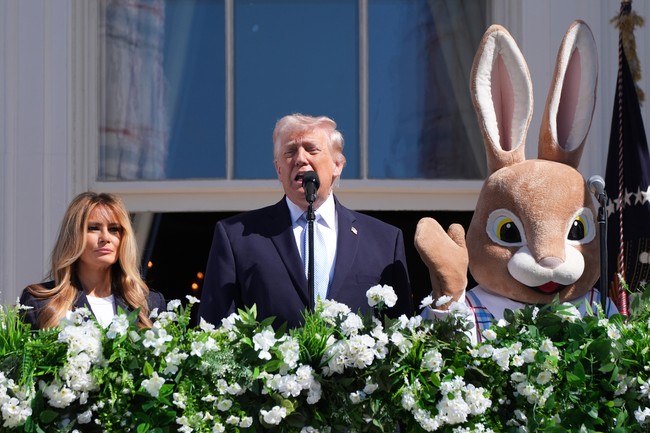
The administration has been weighing a 45-day ceasefire proposal that was brokered by Pakistan, but President Trump told attendees at the White House Easter Egg Roll that the offers so far are “not good enough.” He framed the talks as tentative and warned that vague or partial commitments won’t satisfy U.S. demands. That tone set a hardline posture toward any deal that doesn’t firmly protect American and allied interests.
An Iranian spokesman in Cairo, Mojtaba Ferdousi Pour, publicly rejected the ceasefire concept and insisted, “We only accept an end of the war with guarantees that we won’t be attacked again.” That demand, in the president’s view, is unrealistic because it would tie American hands and leave Iranian aggression unchecked. U.S. officials say any agreement must include clear and verifiable limits on Iran’s ability to threaten the region again.
Trump established a clear deadline, indicating Iran must accept all conditions by Tuesday at 8 p.m. ET or face an intensified U.S. campaign. He made it plain that patience is not endless and that continued obstruction or bad-faith negotiation will invite stronger military responses. The president emphasized deterrence, arguing that decisive action now prevents larger conflicts later.
In parallel, Iran warned of a “more severe and expansive” response if the United States targets energy infrastructure and bridges, escalating rhetoric as the deadline nears. The Revolutionary Guard’s intelligence chief was reported killed in an attack, and Tehran accused foreign actors of assassinations. Those developments underline how quickly battlefield dynamics are shifting and how lethal the stakes have become for senior commanders on both sides.
White House officials described the 45-day proposal as “one of many things being discussed,” signaling that the administration is open to exploring diplomatic options while keeping military pressure as leverage. That balancing act—engage but prepare to strike harder—is central to Trump’s approach. He prefers to present credible force alongside negotiation to produce meaningful concessions.
Trump has repeatedly returned to the point that Iran cannot be allowed to acquire a nuclear weapon, calling its leadership dangerous and untrustworthy. “Iran CANNOT have a nuclear weapon. They are lunatics — and you can’t put nuclear weapons in the hands of a lunatic,” he said, underlining the existential concern driving U.S. policy. That blunt language reflects a Republican emphasis on firm national defense and unambiguous deterrence.
The president also painted a picture of long-term consequences for Iran’s infrastructure if the United States decides to target power facilities, suggesting reconstruction would take years. “We could leave right now, and it would take them 15 years to rebuild what they have… But I want to finish it up,” he said, arguing that calibrated strikes could cripple Iran’s ability to wage war. The aim, he explained, is to eliminate future threats rather than leave a patchwork outcome that invites renewed aggression.
Messages from Tehran and Washington have grown sharper as both sides test the margins of escalation. Iran’s threats of broader retaliation and allegations after high-level killings escalate tensions, while the U.S. signals readiness to act if diplomacy fails. That combination of public deadlines, military posturing, and targeted strikes creates a high-pressure environment where miscalculation could be costly.
For now, the administration insists it prefers a negotiated pause that secures American interests, but it will not accept vague promises that leave Iran’s capabilities intact. The Pakistani-brokered proposal has been considered, yet U.S. officials stress concrete guarantees and verification will be required. The president’s deadline is intended to force clarity and to separate genuine offers from stalling tactics.
Military planners and diplomats are reportedly coordinating options as the clock runs down, with the administration ready to shift from restraint to action if necessary. Publicly, the president seeks to impose a cost on Iran that will deter future aggression while offering a path to de-escalation if Tehran meets firm conditions. That mix of pressure and conditional diplomacy sums up the current U.S. posture.

Surprising! I’ve been making 100 Dollars an hour since I started freelance on the Internet six months ago. I work long hours a day from home and do the basic work that I get from the business I met online. share this work for you opportunity This is definitely the best job I have ever done…
just use the info on this page .====> PayAtHome1.Com