
Quick summary: U.S. forces launched deliberate “self-defense” strikes against Iranian military targets after Iran shot down a U.S. Army Apache; President Donald Trump warned of more force if Tehran does not change course; CENTCOM detailed follow-up strikes on surveillance, communications, and air defenses; U.S. leaders framed strikes as both defensive and a negotiating lever to force Iran to make a deal.
The U.S. carried out initial self-defense strikes after Iran shot down a U.S. Army Apache helicopter over the Strait of Hormuz, and CENTCOM reported the crew was rescued. Officials said the first wave struck roughly twenty targets, demonstrating a clear willingness to respond when American personnel and regional shipping are threatened. That response was framed as defensive, aimed at degrading immediate threats to U.S. forces and commercial traffic.
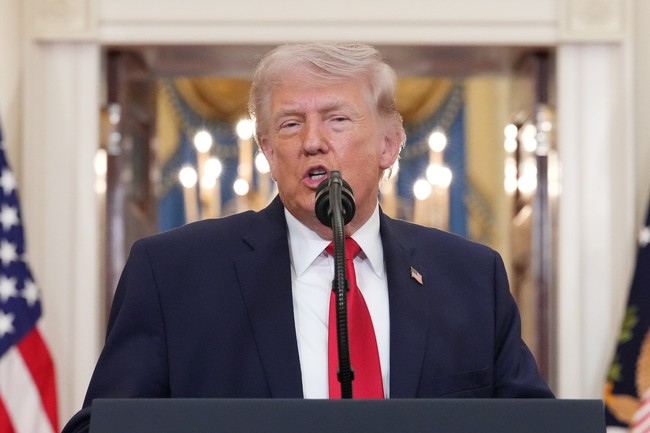
President Trump signaled the action was only the start, warning the regime they would be hit “very hard” if they kept up aggressive behavior. Within a day, CENTCOM announced additional strikes were underway on multiple targets inside Iran. The expansion of the operation underlined that Washington intends to press its advantage until Tehran accepts limits on its threatening capabilities.
CENTCOM released a statement describing the new operations in blunt terms: “U.S. Central Command forces began launching additional self-defense strikes today at 5:15 p.m. ET against multiple targets in Iran at the Commander in Chief’s direction,” and added the strikes responded to “Iran’s unwarranted and continued aggression.” Those words made clear this was a coordinated decision at the highest level to punish and deter further attacks. The strikes reportedly produced audible explosions in locations across Iran.
The military outlined the targets struck: Iranian military surveillance systems, command-and-control networks, and air defense sites. U.S. Marine Corps, Air Force, and Navy assets were credited with firing precision munitions to take out systems that posed a risk to U.S. forces and to international commercial vessels. The goal was not to occupy territory but to remove or disrupt capabilities that enabled Iran to threaten the region.
Senior officials described the strikes as a bargaining tool as much as a defensive measure. “We’ll strike them hard tonight and hopefully Iran makes a good decision,” Secretary of War Pete Hegseth said, making plain the political intent behind kinetic action. He emphasized targets were chosen to “improve the environment” for U.S. operations and to undermine Iranian capabilities that would otherwise menace regional stability.
Hegseth repeated the administration’s firm approach: “We will hit them hard on our terms, on the targets that improve the environment, for us to operate in and undermine the capabilities that Iran wants to have.” He also framed American readiness in stark terms: “If we need to negotiate with bombs, we’ll negotiate with bombs. And we’re very good at it. Nobody better in the world.” Those lines left no doubt that force and diplomacy are being paired deliberately.
https://x.com/CENTCOM/status/2064824143640502670?ref_src=twsrc%5Etfw
The president reported the U.S. used a substantial number of weapons in the operation, saying 49 Tomahawks were launched and that strikes reached as close as 40 miles from Tehran, not just coastal targets. Those details underscore the reach of U.S. strike options and the willingness to target inland systems that support maritime harassment. Precision long-range fires remain a core tool for shaping adversary behavior without committing ground forces.
Reports indicated Iran’s leaders reached out after strikes, allegedly asking for a halt, and President Trump relayed that message while warning of further escalation. “We’ll bomb the s**t out of them tomorrow night” if Tehran did not stop, he said, a blunt line meant to convey resolve. Iran, meanwhile, tried to claim they had struck back, including assertions about hitting a U.S. vessel, but CENTCOM disputed those claims and said commercial shipping was still transiting the Strait safely.
The Iranian regime continues to both deny and deflect, even as it reportedly contacted the U.S. leadership directly. The back-and-forth highlights how kinetic pressure and direct diplomacy can interact: force creates leverage, and that leverage can produce conversations Tehran previously avoided. At the same time, false claims from the regime about retaliatory successes have been publicly countered by U.S. military statements.
CENTCOM also emphasized that commercial traffic through the Strait of Hormuz was ongoing and that the U.S. has been actively ensuring the flow of oil and commerce. Officials noted a substantial number of tankers have been escorted or assisted through the Strait in recent weeks, pointing to a broader mission to protect global trade in addition to punishing threats. The strikes were presented as a direct action to keep shipping lanes open and deter future Iranian disruptions.
The use of precision strikes, explicit presidential direction, and public military statements all signal a coordinated Republican approach to national security: combine decisive force with diplomatic pressure to force a better outcome. This posture is designed to make aggression costly and to push Tehran toward a pragmatic accommodation or face further degradation of its military tools. The message to allies and adversaries alike is that the United States will act to protect its people and global commerce.


Add comment