

I’ll call out the media antics, recap the doctor’s claims, report the president’s Walter Reed update in his exact words, note the administration’s response, and include the original embeds and bonus photo as presented.
CNN has been pushing a narrative about President Donald Trump’s health that many Republicans view as a coordinated smear rather than sober analysis. The network repeatedly seizes on frozen frames or brief moments of an expression and treats them like smoking-gun evidence of decline, which critics say is lazy journalism and political theater. Conservatives see this as more of the same: a media outlet manufacturing concern to fuel a partisan story instead of doing real reporting.
One of the network’s frequent talking heads took that approach to a new extreme recently by bringing in a so-called health expert who suggested Trump has a serious sleep problem. “The president has severe daytime somnolence; he falls asleep very often. He’s fallen asleep in the Oval Office on multiple occasions, with people talking to him in the Cabinet Room,” Dr. Jonathan Reiner declared, pointing to isolated clips and making a leap to a sweeping diagnosis. That kind of proclamation, coming from someone who has not treated the president, looks more like performative commentary than a reasoned clinical assessment.
The timing of those public warnings was pointed: they came as Trump was set to have his six-month physical at Walter Reed National Military Medical Center. Critics argued that the network amplified speculation ahead of the appointment to shape public opinion. Republicans noted the double standard when the same outlets ignore comparable health questions about political figures they favor, turning coverage into partisan scoring rather than objective scrutiny.
Shortly after the check-up, President Trump posted a concise update confirming his exam and praising the medical team. “Just finished my 6 month physical at Walter Reed Military Medical Center,” he wrote. “Everything checked out PERFECTLY. Thank you to the great Doctors and Staff! Heading back to the White House. President DJT.” For conservatives, that direct message from the president undercuts the cable chatter and shows how immediate, unfiltered communication can blunt a media-fed narrative.
The administration’s Rapid Response account responded quickly and with a sharp tone, using the president’s own update to push back at the cable network’s sour takes. Supporters pointed out that when the commander in chief posts his medical result in plain language, it forces outlets to either accept it or continue their narrative at the risk of looking petty. That exchange crystallized a larger argument from Republicans: the media often prefers scorn and suspicion to straightforward facts when covering conservatives.
Critics of the network also highlighted the pattern of calling on credentialed guests to make dramatic assertions without presenting full context or acknowledging alternative explanations. In this episode, the guest urged a formal sleep study and linked brief moments of drowsiness to a broader medical crisis, while the president’s team pointed to routine care and normal results. That contrast—alarm versus routine clearance—illustrates the clash between partisan alarmism and the president’s narrative of normal health.
Republican commentators framed the coverage as part of a persistent culture in the liberal media that seeks to delegitimize conservative leaders through insinuation and cherry-picked moments. They argued that the proper course would be to let medical professionals who actually examined the president provide a clear, full report rather than letting pundits and television segments drive the story. To many conservatives, the episode was another example of a major news outlet choosing narrative over nuance.
Beyond the sound bites, this episode raised questions about how the public separates commentary from verified information when it comes to matters of health and leadership. The president’s direct communication strategy bypasses traditional media filters, and his supporters see that as a corrective to what they view as biased coverage. Meanwhile, media critics say outlets need to be careful not to conflate editorializing with factual reporting on health matters that affect national stability.
The back-and-forth here is familiar: dramatic claims by cable guests, a swift presidential update, and rapid pushback from the administration. It plays out across social feeds and television segments, fueling partisan debate rather than settling questions with clear evidence. Observers on the right see the end result as predictable—another media cycle that starts with suspicion and ends with pushback when a direct statement from the president contradicts the narrative.
Trump sharing his Walter Reed result made the exchange public and immediate, and conservative audiences noticed how quickly the network’s framing clashed with the president’s own message. That tension—between televised alarm and an official medical update—continues to shape how Republicans and allies view mainstream coverage of conservative figures. The episode reinforces a lasting complaint: too many outlets treat partisan expectations as news instead of reporting what can be verified.
Trump sharing the news prompted the administration’s Rapid Response account to commence in some well-deserved mockery of the Trump Derangement Syndrome-afflicted crew at CNN, including the doctor who keeps yapping about Trump’s supposed sleep issues:
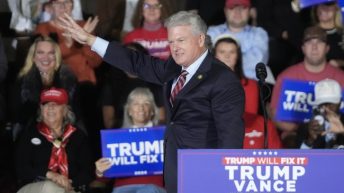
Bonus photo:
Keep up the good work, CNN and The View. You’re doing great.


Add comment