
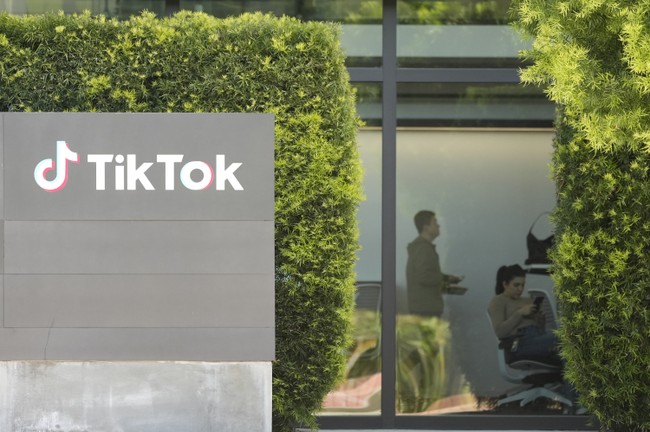
TikTok’s algorithm is accused of boosting far-left candidate Zohran Mamdani in the New York City mayoral race, prompting fresh questions about platform power, foreign influence, and how social apps shape political narratives in an already partisan media landscape.
Conservative observers and some researchers say the app’s recommendation system appears to amplify pro-Mamdani content while constraining material favorable to his opponent, Andrew Cuomo. The allegation is rooted in a claimed leaked onboarding document and a subsequent analysis that modeled expected distribution patterns versus observed promotions.
TikTok pushed back, calling the report unreliable and politically motivated, insisting the claims do not reflect reality. That denial is typical from platforms under fire, but critics argue the Chinese ownership angle and the timing of any algorithmic tilt make this more than routine corporate PR.
Researchers say they built a computer model from an internal onboarding document TikTok allegedly gives new engineers and used it to estimate a normal display rate for posts. By running millions of videos through that baseline, they reported unusual boosts for political clips favoring Mamdani and relative suppression for pro-Cuomo material. The result, they say, points to algorithmic influence that could nudge voter perception in a close contest.
TikTok is allegedly putting its thumb on the scale to help far-left New York state Assemblyman Zohran Mamdani win the New York City mayoralty, a new report claims.
The Chinese-owned app’s algorithm is “distorting the playing field in New York City’s mayoral race” by “amplifying” pro-Mamdani content while “suppressing” videos backing his opponent, Andrew Cuomo, according to a Tel Aviv-based tech insider who cited a key leaked document from the social media company.
“Early evidence points to algorithmic influence that may be shaping voter perception in the New York elections,” Yehonatan Dodeles wrote in a Medium post published Tuesday.
Anyone paying attention knows social platforms have shifted outcomes before, whether intentionally or through biased systems that reflect internal priorities. Conservatives worry that an app closely tied to a hostile foreign power amplifying a radical candidate is not just domestic social media bias but a national security worry.
The study’s method is straightforward in concept: model expected exposure based on past engagement, then flag topics that receive extra, unexplained amplification. Political videos stood out in the analysis, with Mamdani-friendly clips reportedly distributed at higher-than-expected rates and pro-Cuomo clips appearing less often than the baseline predicted.
TikTok strongly rejected the findings.
“This is nothing more than a deliberate attempt to push a political objective through a bogus study that is not based on any form of reality,” it said in a statement. “The story falls well short of basic journalistic standards.”
Platform denials are familiar, but an independent look at the data would matter. At minimum, the report raises questions that deserve transparent answers: what internal signals promote political content, who sets those priorities, and how are conflicts of interest addressed when foreign ownership is in play? Those are not academic queries when control of an American city could hinge on who gets seen and who remains hidden.
Dodeles and his team focused on a leaked onboarding document that TikTok provides to newly hired software engineers. The researchers used it to build a computer model to figure out which TikTok videos were getting more attention than they would based on users’ usual engagement levels.
The researchers used it to build a computer model to figure out which TikTok videos were getting more attention than they would based on users’ usual engagement levels.
By analyzing millions of videos, they set a “normal” rate for how often posts are typically displayed on users’ feeds, then looked for topics that got extra, unexplained promotion.
Political videos — especially those supporting Mamdani — were shared far more often than expected, while pro-Cuomo videos appeared less often, Dodeles claimed.
There are valid reasons to be skeptical of any single study, especially one that relies on a claimed leak and simulation assumptions. Methodology, transparency, and peer review matter. Still, the broader pattern of platforms bending visibility around politics is well established, and conservatives argue it consistently skews against traditional values and mainstream candidates.
Practically speaking, Mamdani already led many polls as the race tightened, so some will view algorithmic influence as a marginal factor. For others, even marginal nudges add up across millions of users and thousands of impressions, and the possibility that a foreign-linked platform might give an edge to a like-minded candidate is troubling.
Either way, this episode highlights the need for stricter oversight and clearer rules about political content distribution on influential apps. Voters deserve to know whether what they see on their feeds is organic interest or the product of engineered preference, and policymakers should treat these findings as a prompt to examine how platforms wield power over civic life.
Add comment