
Quick roundup: today’s piece hits the Fauci hearings and fallout, previews the Senate schedule and presidential events, notes legal rulings that matter, highlights Robert F. Kennedy Jr.’s policy move, and remembers Justice Antonin Scalia with a linked clip to his sharp constitutional take.
Wednesday, July 29, 2026
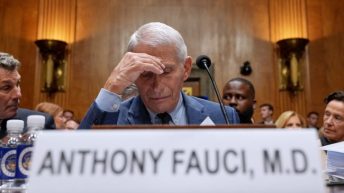
Good morning. The big story for conservatives right now is Anthony Fauci’s return to the Hill and the questions that followed, including some pointed refusals and legal maneuvers that will echo through the campaign season. This moment is about accountability, federal overreach, and how we guard American liberty from unelected power. Expect this to dominate political conversation and Senate action for days.
Across Capitol Hill the calendar is packed with hearings that matter: testimony related to Fauci, new looks at AI and workplace impacts, and a special focus on how deepfakes and chatbots threaten seniors. Those are not niche items; they touch public health policy, technology regulation, and elder fraud protections. Lawmakers will try to show constituents they are taking these threats seriously while delivering rhetorical jabs at political rivals.
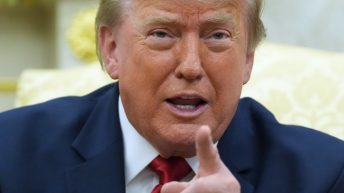
The White House schedule reflects a busy day for President Trump, with Executive Time, public greetings, intelligence briefings, and a pair of afternoon policy meetings leading into tele-rallies. The schedule is a reminder that the administration is balancing governance with campaign activity. Public-facing events with the Secretary of Transportation and other officials will get attention when paired with policy announcements.
In the federal arena, recent decisions are worth noting for conservatives tracking executive power and the courts. In DSCC v. Trump the D.C. Circuit affirmed a district court denial of a preliminary injunction related to an election integrity executive order, a ruling that shapes how such orders are litigated. Meanwhile, in American Federation of Government Employees AFL-CIO v. Noem, a district judge denied an administration motion to dismiss, keeping that challenge alive for now. These outcomes underscore how litigation will continue to define what the government can and cannot do.
Policy moves from inside the administration also grabbed headlines: Sec. Health & Human Services Robert F. Kennedy Jr. announced the government is formally ending federal support for gain-of-function research. That decision signals a shift in what research projects receive backing and speaks to conservative concerns about risk, transparency, and the proper limits of federal science funding. The announcement will be mined for political implications in the coming days.
Fauci’s hearing itself provided the theater expected: a combination of grandstanding, legal posturing, and selective silence at times. Some witnesses and threads have framed this as a broader story about government secrecy and whether officials should face more scrutiny for pandemic-era decisions. For conservatives, the hearing is less about partisan point-scoring and more about establishing that public servants answer to the people and to the rule of law.
On the lighter side of the news cycle, political theater keeps popping up from sports protests to viral social posts that feed cable segments and X threads. These distractions matter because they shape the headlines and often set the frame for how substantive issues are discussed. Still, serious topics—AI threats, elder fraud, and public health policy—remain front and center.
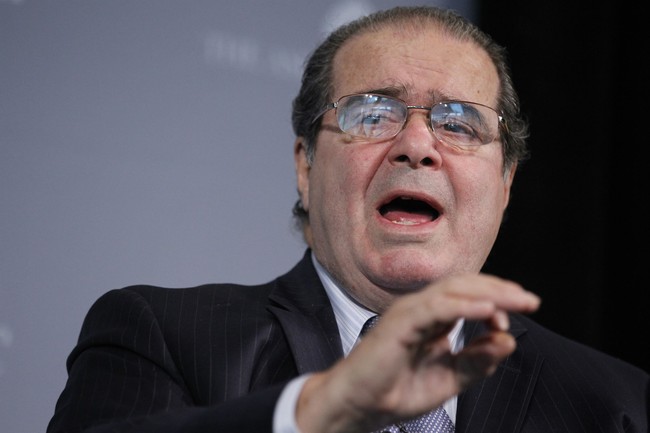
I want to flag one historical moment that feels especially timely. I had the privilege of seeing Justice Antonin Scalia speak in person at a bar luncheon, and his clarity about constitutional design still cuts through the noise. Watch as he unpacks separation of powers and explains why our system was structured to prevent concentrations of unchecked authority. His observations are a reminder of why conservatives defend institutional limits on power and why constitutional literacy matters in public debate.
There are practical follow-ups to watch: whether the Senate subpoenas more documents, whether executive-branch changes stick, and how the administration’s policy signals play politically. Republican lawmakers will press the case for transparency and legal accountability, while also using these moments to contrast their approach to governance with the failures they see in prior administrations. The stakes are both legal and electoral.
Finally, small cultural moments will keep the feed lively—viral clips, heatwave relief jokes, and social posts that travel fast through conservative communities. Those items offer a break from the serious reporting but also serve as quick windows into public mood. They matter because they shape engagement and sometimes prompt policy responses or clarifications from officials.
Keep an eye on the hearings, the court rulings that set precedent, and the administration’s shifting stance on scientific funding and regulation. These developments are where policy, law, and politics intersect, and they will influence both governance and the campaign calendar over the coming months.
Who wouldn’t want to be with the heat we’ve had the past few days?!
https://x.com/SecKennedy/status/2082274822692778359

“This moment is about accountability, federal overreach, and how we guard American liberty from unelected power.”
RIGHT, so where is that Accountability for “CRIMES AGAINST HUMANITY?” More Kabuki Theater as usual in Washington!
Let’s cool it with the news headlines that use the usual empty lingo like an empty promise and just state candidly that Fauci is going to face Crimes Against Humanity Charges and will assuredly at least end up in prison for life and perhaps even face the death penalty! Otherwise I know all this lingo is part of the corrupt to the core system of “smoke and mirrors” hoopla to keep all the elitist criminals in power and manipulate the sheeple masses! The Old Con Game!