
The media frenzy about a proposed White House ballroom and whether President Trump plans to name it after himself has blown up into a distraction, so this piece cuts through the noise, points out how the story took off, and highlights the key statements and facts around donor funding, the president’s own denial, and why this blew into a national headline despite being mostly inside-baseball gossip.
When the ballroom story resurfaced, the first reaction among many conservatives was to shrug: so what. The basic facts are straightforward — private donors are funding a large ballroom addition, and an internal reference to a nickname sparked chatter — yet legacy outlets turned that whisper into a national kerfuffle.
The coverage has been oddly selective, spotlighting rumor over the practicalities of the project and the donor list. Reporting on renovation details and fundraising matters would be legitimate scrutiny, but instead we got breathless speculation about a possible eponymous name and off-the-cuff claims presented as near-facts.
I wrote about the ballroom back in August, when President Trump walked the roof with the architect, showing this has been in motion for months rather than a sudden vanity project. The White House later provided a list of donors paying for the ballroom addition, which is the relevant material for public interest because this is privately financed.
On Friday, a headline based on unnamed sources declared that “Trump likely to name White House ballroom after himself, officials say.” That claim spread across social platforms and cable cycles, then morphed into talking points and outrage pieces before the president had even responded. This type of reporting relies on unnamed “insiders” and leaks rather than documents or direct confirmation.
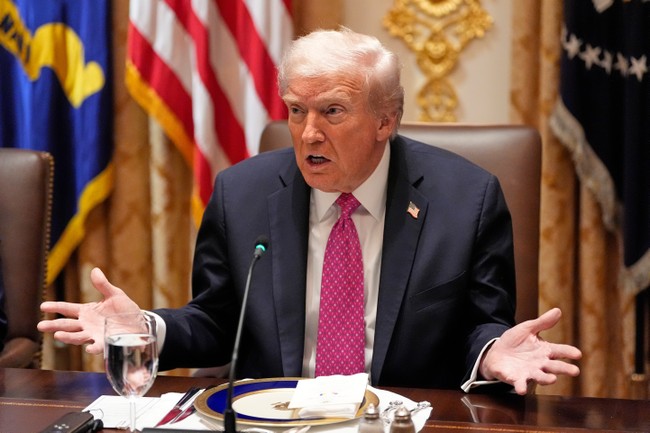
The president was asked about the report during a media gaggle and addressed it plainly, calling the narrative “fake news.” His remarks were clear and short, refusing to accept the premise that the ballroom would be formally named for him and offering a practical alternative name instead.
Earlier, senior administration officials told ABC News that some in the administration were already referring to it as “The President Donald J. Trump Ballroom” and that that name was likely to stick.
The White House claims they have released the full list of donors to the project. On a list of those donors, provided to ABC News by the White House, the ballroom is referred to as “the President Donald J. Trump Ballroom.”
“Well, we raised a lot. We’ve raised over $350 million, [the ballroom is] a beautiful room, a big room,” the president said, then paused a beat as if considering his next words carefully, in answer to the reporter’s question on reports he plans to name the ballroom after himself.
“I don’t have any plan to call it after myself, that was fake news,” Trump said. “Probably going to call it the Presidential Ballroom…we haven’t really thought about a name yet.”
The administration’s donor list shows large private commitments totaling hundreds of millions, and that context matters because it undercuts the angle that taxpayers are being asked to foot this bill. The financial reality should steer coverage toward transparency about donors and project costs, not personalities or attempted embarrassments.
One follow-up question at the gaggle asked about a remaining $50 million and possible uses, and the president mentioned a proposed triumphal arch modeled on the Arc de Triomphe in Paris. That suggestion was treated as a side note, but it’s the sort of design and fundraising detail worth discussing if reporters were focused on substance.
Instead, outlets fixated on palace whispers and internal nicknames, treating those as evidence of an inevitable naming decision. Conservatives should push back by insisting the debate remain about private fundraising, oversight, and the project’s public impact, not manufactured outrage over a hypothetical plaque.
At a moment when many Americans worry about paychecks and groceries, elevating an internal label into national scandal feels petty and out of touch. Reporters who want credibility should reorient coverage toward facts, documents, and the real questions taxpayers and donors have a right to know.
When a story hinges on anonymous chatter and a single internal reference, the responsible move is to verify and provide context. Demand for actual reporting remains; until then, this remains a media-made fuss that distracts from things that matter to the broader public.



Add comment