
Tahoe City and the Lake Tahoe Basin are entering a shift in how they source power as Liberty Utilities leans harder on solar and NV Energy pivots toward large transmission projects in Nevada, raising concerns about data centers driving grid expansion, the cost and reliability of renewables, and the role of regulators like the CPUC in protecting ratepayers.
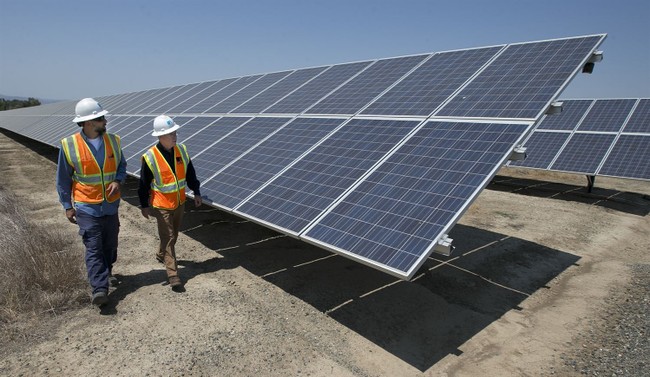
The lakeside community of Tahoe City, population roughly 55,000, faces a change in energy partners because Liberty Utilities is rebalancing its supply mix toward solar and supplemental transmission. Liberty relies on a combination of its own solar assets and wholesale support to fill gaps when the sun is down, and that existing arrangement is about to be tested as regional players shift strategy.
NV Energy is slated to partner with Liberty Utilities in mid- to late- 2027 to advance the NV Energy Greenlink Project, a large transmission and substation effort built to move renewable power across Nevada. That infrastructure push is sold as a way to expand clean energy delivery, but there is a clear commercial context: major data centers are requesting capacity that strains peak grid limits and influence where utilities invest.
As the Las Vegas Review-Journal first reported, NV Energy’s Director of Business Development noted that data centers have driven requests to NV Energy’s peak capacity, a reality that changes incentives. When utilities chase big, steady customers like data centers, smaller communities can be deprioritized, and ratepayers may face rising costs or constrained service as companies build around the most lucrative deals.
Liberty Utilities will still rely on NV Energy transmission to cover shortfalls from solar generation, meaning the pipes delivering power remain the same even if procurement changes. At the same time, Liberty is seeking approval to open a formal bidding process with the California Public Utilities Commission so other energy suppliers can compete for the utility’s business when supplemental wholesale power is required.
This transition spotlights two lessons for American consumers: first, data centers demand massive and growing amounts of electricity and will continue to influence grid planning and pricing. Innovation and jobs from data center investment matter, but those benefits must not translate into higher bills or less reliable service for residents who already shoulder energy costs.
Second, state regulators like the CPUC have substantial power to steer outcomes by setting priorities for affordability, reliability, and environmental performance. The CPUC can choose to demand balanced projects that do not saddle households with the burden of catering to corporate energy appetites, and that kind of oversight matters as projects and contracts are negotiated.
California has led on green energy, yet it also routinely posts some of the highest electricity prices in the country, on average, roughly double the national average. That contrast matters because policy choices here influence not only the mix of generation but also the economic health of communities that cannot absorb ever-rising utility bills without consequence.
“As we all know, the sun eventually sets, but that doesn’t mean that power generation can set, too.” That line captures the practical gap between intermittent generation and the continuous needs of customers, and it highlights why backup capacity, storage, or diversified baseload resources remain essential to keep lights on and businesses running.
Renewable sources offer benefits, but they also carry costs and reliability challenges that deserve honest assessment rather than hype. If policymakers and utilities treat affordability, dependability, and environmental impact as separate goals, they will fail communities; treating them as interdependent yields better outcomes for families and local economies.
For Tahoe City, the story is immediate and local: residents and ratepayers will watch Liberty Utilities’ CPUC filings and the bidding process for new suppliers closely, hoping for a transition that keeps service stable and bills reasonable. There is an opportunity for responsible choices, but history in the state makes skepticism understandable.
Across America, the rise of AI, cloud services, and data center growth will keep pressure on energy systems, making the Tahoe City case an early example of broader trends. Utilities and regulators must build frameworks that hold large consumers accountable and protect ordinary households from being the default backstop for industrial-scale electricity demand.
There is still a window for Tahoe City and its utility to secure a path that balances clean energy goals with practical reliability and cost concerns, but it will require regulators to enforce discipline and utilities to prioritize their residential customers as clearly as they court big commercial deals.



Add comment