
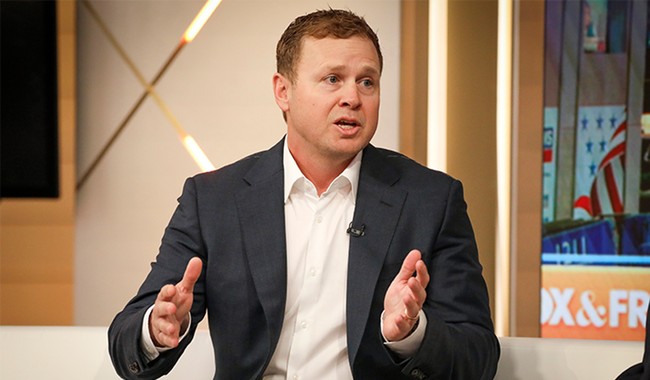
This piece examines Spencer Pratt’s surge in the Los Angeles mayoral contest, the fundraising gap between him and his Democratic opponents, the rhetoric stirring voters, and a recent poll that suggests the race is tightening in ways that matter for public safety and accountability.
Wow: Surging Donations and Latest Polling Show Big News for Spencer Pratt
Spencer Pratt has injected an outsider energy into the Los Angeles mayoral race that voters are noticing. He talks plainly about crime, safety, and accountability — issues that shape daily life in the city. That pitch is resonating with a segment of Angelenos tired of the same political playbook from career politicians.
The current mayor has become associated with unconventional priorities in the eyes of many voters, and that contrast is sharpening the debate. Pratt frames his candidacy as a break from the status quo, promising more visible results on street-level problems. His message is simple and direct, and in a city struggling with homelessness and public disorder, simple messages can cut through.
Fundraising numbers now back up the buzz around Pratt and give his campaign a practical advantage on outreach. For the filing period April 19 – May 16, Nithya Raman raised $401,000, Karen Bass had $280,000, and Spencer Pratt had $2.72 million. That level of fundraising is notable in a deep-blue city and signals that his appeal extends beyond a novelty candidacy.
Money alone doesn’t guarantee a win, but it buys visibility, ads, staff, and the ability to mobilize supporters across neighborhoods. Those resources help translate enthusiasm into votes and give Pratt the capacity to bring his accountability message to more voters. In a mayoral contest where a runoff is likely if no one clears 50 percent, building momentum now is important.
The campaign narrative being offered by Pratt stresses public safety, transparency, and the practical frustrations of daily life in Los Angeles. He has used blunt, folksy language to describe the city’s problems in ways that people recognize when they drive their neighborhoods. That plainspoken tone appeals to voters who want straightforward solutions rather than political spin.
Pratt said, “Everyone’s missing who’s voting for me. The only people who aren’t are the socialists, the lunatics, and the Communists. Any normal, functioning brain who doesn’t want to step in human poop when they get their matcha is voting for me. Which is a lot of people.” Those words underscore his outsider posture and his willingness to call out extremes.
Media moments help amplify a candidate’s pitch, and Pratt has had a few clips that reinforce his themes. In one exchange, Billy Bush remarked on visible urban decay and praised Pratt’s pledge of transparency and accountability. Bush’s quick reaction, “I’m down for that,” echoed what many voters want to hear: clear stewardship of public funds and honest management of services.
Polling now suggests Pratt is within striking distance of the incumbent in a contest that once looked controlled by establishment figures. A Cygnal survey put Karen Bass at 25 percent, Spencer Pratt at 22 percent, and Nithya Raman at 18 percent, with the implication that the top two would likely head to a runoff. That dynamic raises the stakes for turnout and coalition-building.
The Cygnal CEO Brent Buchanan said:
“They’re frustrated by the cost of living, homelessness, and corruption, creating a very real opening for Spencer Pratt. He’s well within striking distance of Bass, whose numbers are saddled with a deeply defined, underwater image. Pratt still has room to consolidate the voters he needs most, especially men, independents, and voters in the Northeast Valley, with a closing message built around public safety, accountability, and his Palisades story.”
Buchanan’s analysis highlights the voter groups Pratt can still bring together and the messaging priorities that could push him into a runoff or beyond. Targeting men, independents, and specific neighborhood blocs with a clear safety and accountability pitch is a conventional winning formula when incumbency is under question. For a candidate cast as an outsider, consolidating pragmatic voters who want change will be decisive.
The race now looks less like a foregone conclusion and more like a test of whether a populist, accountability-first message can compete with entrenched local power. If Pratt’s fundraising and polling trends hold, the contest will be decided by turnout, neighborhood persuasion, and whether voters see him as a credible manager rather than a reality TV celebrity. The coming weeks will show which version of Los Angeles voters prefer.



Add comment