
This article examines the sudden complications in the Maine Democratic Senate primary after Governor Janet Mills paused her campaign but left her name on the ballot, and how revelations about Graham Platner’s past posts and alleged sexting could reshape both the primary and the fall matchup with Sen. Susan Collins.
The Maine Democratic Senate primary has taken an unexpected turn as questions about Graham Platner’s past and personal conduct keep surfacing. Recent unearthed posts show Platner mocking fellow veterans, and new reports allege he exchanged explicit messages with multiple women after his 2023 marriage. Those developments have left Democrats scrambling to figure out damage control while the June 9 primary approaches.
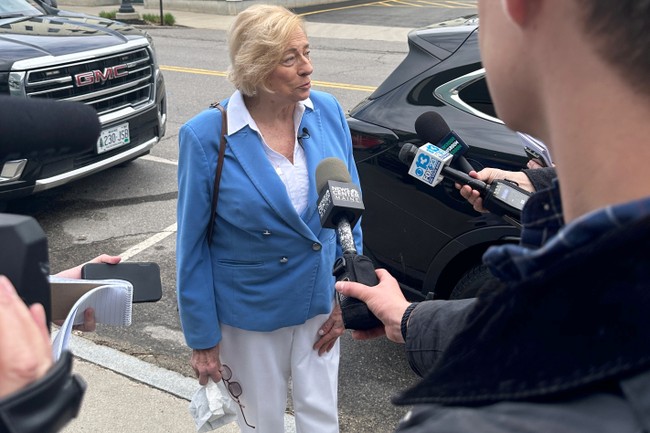
Governor Janet Mills suspended active campaigning in late April, citing fundraising troubles, but she explicitly stated she remains on the ballot. The governor’s move was precise: she stopped active campaigning but never formally withdrew, meaning any votes cast for her will still count. That choice introduces an unusual dynamic into a race already clouded by controversy.
Under Maine’s rules, ranked-choice voting applies in primaries for federal races, which opens the door to transfers of support if no candidate clears 50 percent. If no one receives a majority, lower-ranked candidates are eliminated and their votes are reallocated to voters’ next choices until a majority emerges. That mechanism makes Mills’ decision to stay on the ballot strategically meaningful, not merely symbolic.
Platner faces multiple problems at once: resurfaced social media posts that attack veterans, reports about a sexting scandal involving a dozen women, and the existence of an active Kik account that critics have flagged as concerning. The optics are damaging, especially in a state where independent and Democratic women represent a vital slice of the electorate. Those voters could decide whether Platner can survive the primary and pose a credible general election threat to Collins.
Also on the Democratic ballot is David Costello, a career public servant with decades of senior government experience. He has quietly positioned himself as an alternative should Platner falter, and his presence matters in a ranked-choice contest where second- and third-place preferences can determine the final winner. There is also a write-in option in play, adding another wrinkle to vote transfers in a tight field.
Speculation is growing that some Democrats might push to replace Platner after the primary if he survives but becomes too toxic to hold as the party’s general election nominee. Past cycles have seen similar maneuvers, and talk of an establishment effort to sideline a problematic nominee is circulating. Such a move would be risky for the party and could leave lasting damage ahead of the general election.
Voters and party insiders are watching how Maine women respond to the revelations about Platner’s conduct. Reports indicate many women in Maine are expressing frustration and skepticism about his candidacy, a political reality that could doom his hopes in both the primary and the fall. For a Democrat to unseat an incumbent like Susan Collins, broad support among moderates and women is essential, and those constituencies are showing strain.
The timing makes this messier: early voting has been underway since May 11, meaning a significant portion of votes may already be cast before any late-breaking developments take hold. That reality boosts the influence of Mills’ remaining presence on the ballot and complicates any strategy to rally behind an alternative. Early ballots and ranked-choice reallocation together create a narrow window for political maneuvers.
Despite suspending her active campaign on April 30 due to fundraising struggles and trailing in the polls, Mills told the Sun Journal on Sunday that her name will remain on the primary ballot.
“People have the impression that I ‘withdrew’ or ‘dropped out,’ but I simply suspended active campaigning,” Mills stated. “I am still on the ballot.”
Because the Governor never filed the formal paperwork required by the Maine Secretary of State to nullify votes cast for her, any votes she receives will still be counted. Notably, Mills has withheld endorsing the presumptive Democratic nominee, Graham Platner, since pausing her campaign.
https://x.com/mychaelschnell/status/2061520666541826396
The practical upshot is clear: Platner must not only survive internal Democratic alarm about his conduct, he must also convince a wide swath of Maine voters that he can beat Collins in November. That is a steep climb if independent and Democratic women remain unconvinced. If they defect or rank other options above him, his path to a general election victory narrows quickly.
The coming weeks will test the party’s tolerance for risk, the durability of Platner’s support, and whether Mills’ ballot presence becomes a decisive factor in a race that was supposed to be straightforward. With primary voting already underway and ranked-choice rules in place, the situation is far from settled and could still change in unexpected ways.


Add comment