
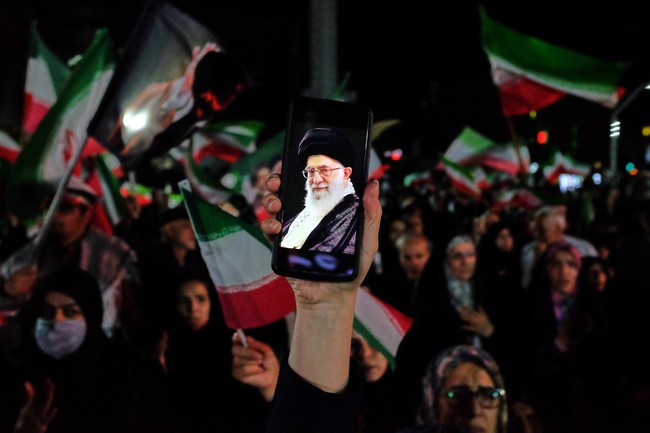
The piece examines allegations that a key Iranian regime propagandist has operated from suburban California while producing English-language anti-American content, detailing ties to Iranian officials, reported payments, and the risk his presence poses to U.S. political discourse.
For nearly a decade, Meysam Zamanabadi is said to have lived in Glendora, California, while maintaining close advisory ties to Iranian Parliament Speaker Mohammad Bagher Ghalibaf. The reporting ties him to a long history within Iran’s power circles, stretching from roles in Tehran’s municipal and law enforcement structures to ongoing political influence. Living on American soil has allegedly given him the ability to tailor messages that land with U.S. audiences, using memes and English-language messaging to amplify Tehran’s talking points. That style of influence is deliberately chosen to reach younger, social-media-native Americans who may be more susceptible to slick, visual persuasion.
Observers point out that Zamanabadi manages Ghalibaf’s English-language social accounts and produces meme-heavy posts that mock and undermine American policy and resolve. The intent appears straightforward: sway opinion, create doubt, and exploit partisan divides inside the United States. Running a foreign influence operation from within the country, whether covertly funded or not, raises questions about national security and the integrity of our information ecosystem. If true, it means Tehran has a domestic foothold for shaping narratives aimed at American voters and policymakers.
Financial audits conducted by the Tehran City Council in 2017 revealed that even after moving to America, he received a monthly sum of 40 million Tomans (equivalent to approximately $11,000 at the time). This was paid in foreign currency through an exchange office in Ferdowsi Square via an individual named Hesamuddin Sahami, the then technical director of Tamashagar magazine.
Beyond the pay stubs and social posts, the reporting highlights a more troubling layer: Zamanabadi reportedly has worked within U.S.-based institutions that track and critique media bias. That dual role, if accurate, is alarming because it suggests an ability to influence both foreign-facing propaganda and domestic narratives about which outlets are trustworthy. The combination of insider cultural fluency and institutional access creates a multiplier effect for foreign messaging. Those dynamics make it easier for regime-friendly content to be framed as domestic critique or balanced media analysis.
Accounts claim he publicly celebrated perceived Iranian victories and mocked U.S. leaders during regional crises, portraying America as weakened and defeated. Such messaging is crafted to erode public confidence and embolden hostile narratives about U.S. power. When foreign propaganda lands in familiar English idioms, with emojis and meme formats, it becomes far harder for average readers to spot its origin or intent. This is precisely why domestic awareness and scrutiny of foreign influence are necessary across party lines.
There are also allegations that some U.S. voices, particularly on the political left, have amplified or uncritically shared claims originating from these networks during tense moments. That amplification, intentional or not, shows how quickly foreign narratives can be adopted into American political debate. An adversary that understands our culture and media habits can weaponize sympathy, outrage, or partisanship. The result is fractured public discourse and decisions made on distorted information.
A former paid scribe for an Iranian state-affiliated newspaper now works for a U.S. media watchdog group known for producing a “media bias” chart that rates liberal outlets as more reliable than conservative ones.
From a conservative perspective, the core concern is clear: active agents of hostile governments should not be permitted to operate with impunity inside the United States. If an individual is on the payroll of Tehran while creating content aimed at influencing U.S. audiences, immigration and national security authorities should examine the facts and act accordingly. The standard must be protection of the republic and the integrity of our civic conversation, not tolerance of covert influence. Removing safe havens for hostile propaganda is part of a broader effort to secure America from adversaries who exploit our freedoms to undermine them.
Allowing foreign operatives to leverage American liberties as platforms for hostile messaging undermines trust in institutions and fuels the very polarization they seek to exploit. Our political leadership has a responsibility to treat foreign-directed disinformation as a national security issue and respond with appropriate investigations and enforcement. Democratic debate thrives on free expression, but that freedom is not a shield for foreign governments to wage influence campaigns from within our borders.

Add comment