
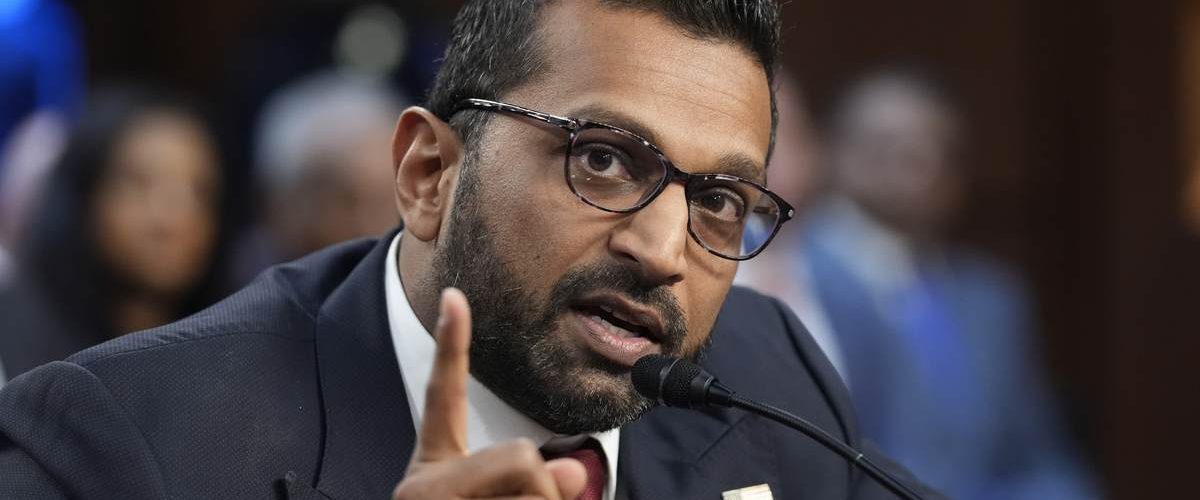
The CBC’s editorial memo that avoids calling 9/11 a terrorist attack has drawn sharp criticism from U.S. and Canadian conservatives, including FBI Director Kash Patel, who warned Canada’s agencies that cooperation could be at risk if they do not reject what he calls a “bastardization of history.” The debate ties into funding, trade tensions and national security concerns as Americans prepare to mark the 25th anniversary of the attacks and remember nearly 3,000 lives lost.
The Canadian Broadcasting Corporation reportedly instructed staff to describe 9/11 as “hijackings [that] led to passenger jet crashes” instead of labeling the events a terrorist attack. That phrasing makes a violent, coordinated act feel accidental, which many see as an unacceptable softening of a tragic, deliberate crime. For conservatives, especially those focused on national security, this isn’t neutrality — it’s revisionism that disrespects victims and responders.
FBI Director Kash Patel publicly condemned the guidance and made a blunt point about the consequences for bilateral security work. His social post warned that agencies in Canada that do not reject this language “will no longer have friend in this FBI,” stressing how insulted Americans, especially first responders, would be. That kind of explicit political pressure reflects how seriously U.S. national security leaders view clarity about terrorism.
Any agency in Canada that doesn’t publicly reject this bastardization of history, and an insult to the souls lost during our largest terrorist attack in US history will no longer have friend in this FBI… Not to mention our heroes that responded in the aftermath 🇺🇸
WE WILL NEVER FORGET 9-11
Paying attention to who funds the public broadcaster matters here because editorial choices don’t happen in a vacuum. The CBC receives roughly $1.4 billion a year in government funding, which raises questions about accountability when taxpayer-supported outlets adopt language that unsettles allied countries. For people who worry about state-funded media and ideological slants, this memo looks less like harmless phrasing and more like a politically loaded decision.
https://x.com/FBIDirectorKash/status/2093133660245356995?ref_src=twsrc%5Etfw
Trade tensions between the U.S. and Canada add another layer to the dispute, with President Trump already imposing 50 percent tariffs on certain Canadian goods in ongoing talks. Some commentators suggested even higher tariffs as a jab for what they view as a cultural slight, arguing that diplomatic and economic tools should reflect mutual respect on issues of shared security. This episode shows how media decisions can spill into economic and foreign-policy arenas.
Operationally, cooperation between U.S. and Canadian agencies matters a great deal to border security and counterterrorism. Normally, law enforcement and intelligence services work closely on investigations that cross the border, and any chill in that relationship would have tangible costs. Conservatives argue that if Canadian institutions appear to downplay threats, it can hinder trust and slow joint responses to real dangers.
The U.S. ambassador to Canada echoed the concern that failing to name and confront radical ideologies undermines shared security efforts and practical disruptions of terrorist plots. That point gets to the heart of why language matters: recognizing an attack as terrorism signals intent, helps guide legal and investigative tools, and keeps allies aligned. When officials soften terminology, they risk undercutting the frameworks used to stop future attacks.
Just this year, @FBI has been instrumental in or directly responsible for multiple disruptions of significant terrorist and violent criminal organizations operating within Canada. Failure to recognize and confront radical and terrorist ideologies significantly endangers our efforts to establish and harmonize a shared national and economic security partnership.
Canadian Conservative MP Rachael Thomas also criticized the CBC’s guidance, noting that 24 Canadians died in the 9/11 attacks and calling the decision to avoid the terrorism label an affront to victims and first responders. Her words reflect a broader sentiment on the political right that labeling matters and that sanitizing history dishonors those who suffered. That reaction reinforces the cross-border resonance of editorial decisions made in Ottawa.
“Refusing to call it an act of terrorism dishonours the victims, their families, the survivors, and the first responders who witnessed the horrors of that day,” said Thomas. “Trying to sanitize or rewrite that history is deeply offensive and does a disservice to everyone who was affected by the attacks.”
The CBC framed the move as an attempt at neutrality, but critics argue that minimizing what happened reads as bias and weakens public trust in news. For people who prioritize a strong, clear stance against terrorism, the memo does more harm than good because it blurs moral and operational lines. In a moment when respect for sacrifice and accurate historical language matter most, that choice felt especially tone deaf.
Editor’s Note: Thanks to President Trump and his administration’s bold leadership, we are once again respected on the world stage, and our enemies are being put on notice.


Add comment