
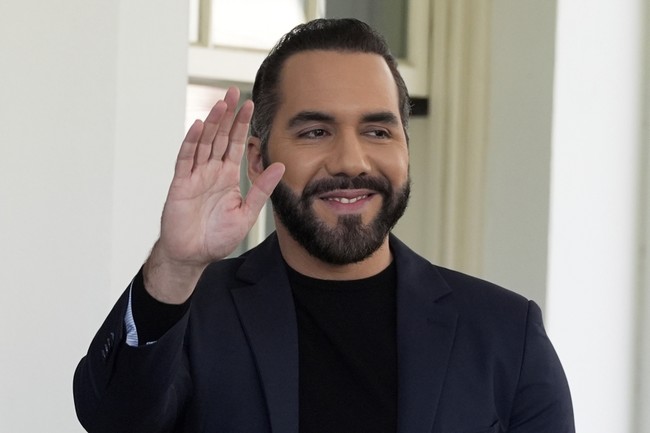
El Salvador President Nayib Bukele publicly mocked Nicolás Maduro after Maduro’s arrest, pairing a past threat with an image of Maduro in handcuffs and highlighting Bukele’s role in pushing back against Caracas while cooperating with the United States on freeing detained Americans.
Nayib Bukele took to social media with a sharp, public jab after Maduro’s arrest, sharing a clip of Maduro threatening him alongside a photo showing Maduro restrained. The move was intended to underline how quickly the tables have turned, and it served as a political moment Bukele could exploit on the world stage. The post landed like a one-two punch aimed at Maduro and at his defenders abroad.
The clip Bukele shared comes from a speech Maduro delivered in Cuba some years ago; the segment has circulated for a while and resurfaces now with new context. In that speech Maduro warned that “no meddlesome upstart” would separate the peoples of El Salvador and Venezuela, specifically naming Bukele and threatening him. That line looks different now that Maduro is detained and visibly vulnerable.
“The people of El Salvador can rest assured that no meddlesome upstart, no puppet of imperialism like this ‘Bukele’ character, will separate the peoples of El Salvador and Venezuela. We will remain united. Bukele, if you mess with us, you will wither away. Bukele will wither!”
The video clips also included footage of Salvador Sánchez Cerén, the former leftist president who left for Nicaragua and later faced legal trouble that included allegations of embezzlement and money laundering totaling up to $530,000. Sánchez Cerén’s administration maintained close ties with Maduro, illustrating the old network of regional solidarity among leftist regimes. Bukele, by contrast, moved quickly after taking office to distance El Salvador from Venezuelan influence.
Bukele has not been shy about cutting diplomatic ties with Maduro’s circle, and he expelled Venezuelan diplomats from El Salvador early in his presidency. His posture on Venezuela has included pragmatic cooperation with partners who share his interest in weakening Maduro’s grip on power. That stance set up Bukele to be a useful ally in efforts focused on freeing wrongfully detained Americans.
In mid-2025 Bukele played a key role in securing the release of 10 Americans who had been detained in Venezuela, an action that drew public praise from U.S. officials. The operation reinforced Bukele’s image as a leader willing to work with Washington when it suits El Salvador’s interests and global standing. That cooperation became part of the broader narrative used to justify strong measures against Caracas.
Despite those facts, some U.S. politicians criticized Bukele instead of acknowledging his role in securing detainees’ freedom, creating a striking contrast in responses. One senator launched public attacks on Bukele while appearing to excuse or downplay Maduro’s abuses, which many saw as a moral blind spot. The exchange quickly became political theater, with Bukele using it to score points back home and abroad.
Sen. Chris Van Hollen took to social media to criticize Bukele and express concern about events in Venezuela, framing the matter through a standard opposition lens. Bukele responded with sharp, mocking remarks aimed both at Van Hollen and at other critics who, in Bukele’s view, habitually defend authoritarian figures. The back-and-forth highlighted how foreign policy debates get dragged into domestic political rivalries.
Van Hollen offered a terse reply that some observers described as weak and defensive, failing to land a substantive counterpunch. Bukele then replied with a short quip that undercut the senator’s posture and drew widespread attention online. The exchanges were less about policy details and more about public image and political theater.
Bukele’s response, delivered with a humorous tone, called attention to perceived inconsistencies in Van Hollen’s positions. It was a classic example of modern political messaging: short, sharable, and aimed at dominating the narrative. The episode reinforced Bukele’s skill at using social platforms to frame international events in a way that benefits his standing.
The recent developments around Maduro’s arrest and the public sparring that followed reveal shifting alliances and the importance of decisive action in foreign affairs. Leaders who act to protect citizens and pursue pragmatic deals win leverage, while those who reflexively defend bad actors find themselves isolated. The optics of who helped secure the release of detained Americans versus who defended Maduro will influence debates on Capitol Hill and beyond.
These events matter because they show a clear contrast in how different actors approach authoritarian regimes and detainee cases, and because they reshape the conversation about influence in the hemisphere. Bukele’s aggressive posture, whether you agree with it or not, has changed the dynamic and forced critics into defensive positions. The fallout will play into future diplomatic and political maneuvering across the region.
Add comment