
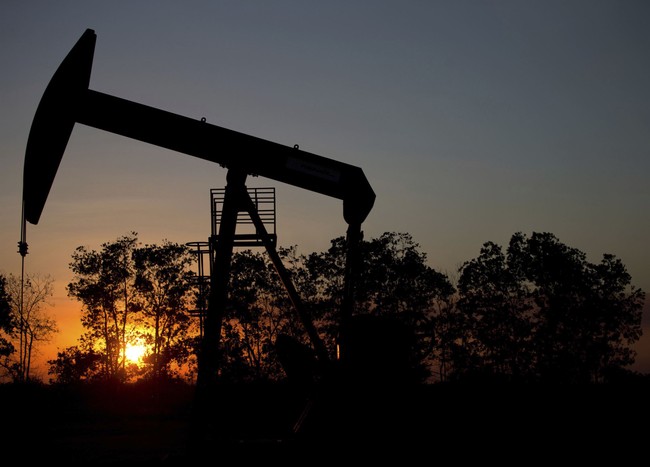
U.S. pressure on Venezuela’s oil sector has forced PDVSA into drastic production cuts as storage fills and exports halt, creating an economic chokehold that sidelines the Maduro remnants and weakens Russian and Chinese influence in the region, while Republicans argue the goal should be to return Venezuela’s energy assets to private, accountable hands.
Venezuela’s state oil company, PDVSA, has begun trimming crude output because storage is full and exports have effectively stopped under an American embargo, according to multiple on-the-record accounts. The stoppage has left tankers idle and cargoes seized, shutting down the flow of the country’s primary revenue source. For conservatives, that outcome is a direct result of strategic leverage used against a regime that long mismanaged and weaponized its energy sector.
Officials report PDVSA is shutting down fields and well clusters as onshore stocks mount and the company runs low on diluents needed to blend heavy crude for shipment. Joint ventures that once pumped on behalf of national partners have been asked to reduce output, and operations formerly shared with foreign firms are being reorganized under state control. The practical effect is a deliberate throttling of Venezuelan oil until a political transition reshapes who controls those barrels.
Venezuelan state-run oil company PDVSA has begun cutting crude production because it is running out of storage capacity due to an ongoing US oil blockade that has reduced exports to zero, piling more pressure on an interim government trying to hang onto power in the face of US threats of more military action.
Caracas is in political crisis under an interim government after President Nicolas Maduro and his wife were captured by US forces on Saturday. The OPEC country’s oil exports, its main source of revenue, are now at a standstill following a US blockade on tankers under sanctions and the seizure of two oil cargoes last month.
Chevron’s cargoes bound for the US had been an exception, continuing to move, because the company has a license from Washington for its operations. But even those have stopped since Thursday, shipping data showed on Sunday.
Secretary of State Marco Rubio predicted this choke long before the shipments stopped, pointing to storage constraints as a sign the leverage was taking hold. His on-camera remarks about squeezing Venezuela’s oil trade reflected a strategy many Republicans have advocated: apply economic pressure to topple a kleptocratic security structure. The aim is not chaos but containment until a legitimate transition can reclaim national assets.
Read More:
The administration’s announcement that an “oil embargo” was in effect followed a rapid chain of events in Caracas and beyond, and it has real geopolitical consequences. With exports halted, PDVSA is reported to have asked partners such as China-linked ventures and those involving Western firms to reduce production. That move sends a message to Moscow and Beijing that energy access can be used to disrupt alliances propping up an illegitimate regime.
Politically, the scene in Caracas remains contested. There is no widely recognized interim government in the full legal sense; instead, what remains are factions claiming authority while international players push for orderly replacement. Republicans framing the intervention see it as targeted pressure to remove entrenched, corrupt holdovers rather than a blank check for foreign adventurism.
We started using (leverage over Venezuela’s oil trade) already. You can see where they are running out of storage capacity.
Beyond immediate strategic gains, Republicans argue the long-term plan should restore Venezuela’s energy industry to private-sector management, with transparent contracts and accountable operators. PDVSA traces back to nationalization in the 1970s and has since been a tool of state control and patronage. Reversing that model would mean audits, privatizations, and bringing multinational expertise back under strict oversight.
That proposed transition is not a fantasy but a conservative policy preference grounded in restoring market discipline and ending the resource curse that has bled Venezuelan wealth for decades. Private management could reinstate investment, modernize wells, and get production back online under legitimate governance, all while protecting U.S. energy and strategic interests in the hemisphere.
Critics will call the embargo heavy-handed, but the move succeeds in undermining a regime that used oil revenues to prop up repression and corrupt networks. It also pressures foreign backers who relied on Venezuela’s crude for influence and leverage. For Republicans, squeezing those financial lifelines is a calculated step toward breaking a corrupt apparatus without committing to extended occupation.
As part of his announcement of Maduro’s detention and a government transition overseen by the US, President Trump said on Saturday that an “oil embargo” on the country was in full force.
PDVSA’s move includes shutting down oilfields or well clusters as onshore stocks mount and the company runs out of diluents to blend Venezuela’s heavy crude for shipment.
The company requested output cuts to joint ventures including China National Petroleum Corp.’s Petrolera Sinovensa, Chevron’s Petropiar and Petroboscan and Petromonagas, the sources said. Petromangas, previously operated by PDVSA and Russian state-run Roszarubezhneft, is being run solely by PDVSA.
On the ground, Venezuelans and international partners will face short-term pain while oil flows are recalibrated, but the conservative view holds that this disruption is preferable to letting corrupt officials keep funding repression. The goal is a clearer path to democracy, accountability, and energy sector reform. What follows will determine whether Venezuela’s oil becomes a national poison or a national asset again.
PDVSA and its partners have not issued immediate public responses to the production cuts, a silence that only underscores how effective the embargo has been in halting normal operations. The coming weeks will show whether storage will stabilize or whether deeper logistical and political measures are necessary to prevent environmental and humanitarian risks tied to halted production.

Add comment