
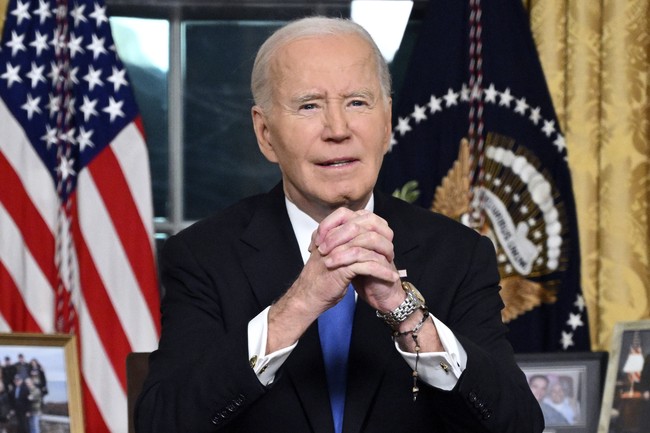
I will explain the core dispute over roughly 70 hours of Biden’s recorded conversations with his ghostwriter, outline what’s in the tapes and why they matter, describe how the recordings were handled by investigators, summarize legal arguments Biden might use to block release, and note the pressure from conservative litigants pushing for disclosure.
Former President Joe Biden plans to go to court to stop the Justice Department from releasing roughly 70 hours of partially redacted audio of his conversations with the writer Mark Zwonitzer, the department said in new filings on Friday. The recordings were collected during Special Counsel Robert Hur’s investigation into classified documents and now sit at the center of a fight over privacy, precedent, and political accountability. The DOJ told a federal judge it expected Biden to seek to “prevent any such disclosures” to Congress and to the conservative group that filed the Freedom of Information Act lawsuit.
The Justice Department agreed to hold off on making the recordings public until June 15 if Biden files suit by a near-term deadline set by DOJ. A White House spokesperson confirmed Biden intends to challenge the release, arguing the tapes were provided under an understanding that they would not be made public. “President Biden cooperated fully with Special Counsel Hur, and agreed to provide audiotapes of conversations with his biographer for a book about his deceased son on the condition that they would not be made public,” the spokesperson said, adding, “The DOJ themselves have said these tapes serve no public interest.”
These recordings were gathered by investigators working for Special Counsel Hur, who was appointed in January 2023 to examine Biden’s handling of classified materials after documents turned up at a think tank and later at the former vice president’s Delaware home. Zwonitzer helped Biden with two memoirs, including the 2017 book about his son Beau, and the audio in question came from sessions for that later memoir. Hur’s February 2024 report concluded Biden “willfully retained and disclosed classified materials” yet declined to bring charges, citing cooperation and concerns about how a jury might view him.
According to Hur’s report, the tapes include moments when Biden read from notebooks that officials later said contained classified entries and instances where he appears to say, “I just found all the classified stuff downstairs.” Biden has repeatedly disputed that depiction, saying plainly, “I did not share classified information,” and adding, “Guarantee you, I did not.” DOJ intends to release edited versions that redact classified content and some private material, but the prospect of any public airing has Republicans and conservative groups pressing for full transparency.
Mark Zwonitzer did not simply turn the files over. Hur’s report recounts that Zwonitzer moved audio files into his computer’s recycle bin after learning a special counsel was on the case, and investigators later recovered those files. Prosecutors granted Zwonitzer immunity in exchange for his cooperation, and Hur considered obstruction charges but declined to pursue them, finding insufficient proof of criminal intent beyond a reasonable doubt.
Legal pathways for Biden to block release remain uncertain. His lawyers could try to argue the recordings are personal rather than federal records or that public disclosure would violate privacy rights. Those lines of defense are familiar but face an uphill climb where Congress is concerned; past court decisions have recognized that requests for a president’s papers can implicate separation-of-powers issues no matter whether the records are labeled personal or official.
Stopping a congressional or FOIA-driven release would likely require a higher bar: convincing a court that lawmakers are unfairly targeting Biden or that the materials are irrelevant to any legitimate legislative purpose. Courts have previously balanced congressional need against privacy and executive interests in cases involving former presidents, and outcomes often turn on narrow facts and on whether a negotiated compromise is possible.
The Heritage Foundation’s Oversight Project is the conservative litigant pushing hardest for disclosure. Its president, Mike Howell, minced no words about Biden’s move to block the tapes, saying, “These tapes will further prove the massive lie regarding Biden’s fitness for office and the fact Biden revealed classified information,” and adding, “The shenanigans aren’t over: At the last possible second, and after every delay tactic possible, the autopen is objecting to the American People receiving transparency.” That blunt tone reflects a broader Republican demand for accountability and a desire to use the material politically.
Biden’s office pushed back by pointing to other records the Trump administration has not released, framing the fight as partisan and selective. “What’s happening now isn’t about transparency. It’s about politics,” the spokesperson said, and urged release of Volume 2 of the special counsel report into another president, adding, “That report contains information Americans actually deserve to see.” The exchange underscores how classified-material disputes have become reciprocal political weapons.
Whatever happens in court, the case will test limits on presidential privacy, FOIA rights, and congressional oversight in a highly polarized environment. The immediate timeline set by DOJ and the June 15 pause if Biden files suit mean litigation likely begins quickly, and judges will have to weigh competing claims about public interest, personal privacy, and separation of powers. Expect rapid legal filings and conservative pressure to keep this matter in the news as the process plays out.



Add comment