
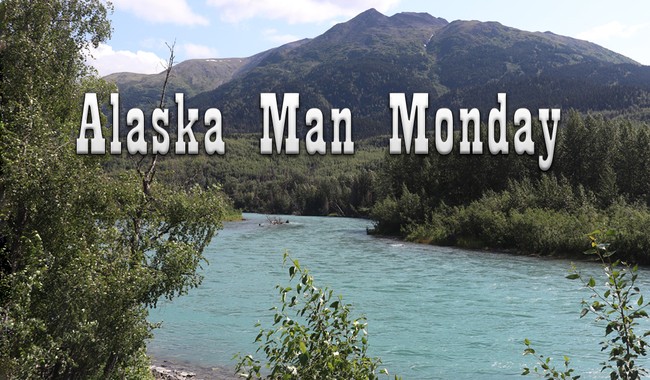
Spring in Alaska brings a mix of bright skies, thawing trails and the everyday risks that come with life far from urban centers; this piece looks at recent local happenings — a glacier plane crash, debate over armed staff in schools, outdoor life shifting from snow machines to ATVs, and tips for anyone thinking about moving to the Last Frontier.
The week kicked off with a strange sky and the reminder that the seasons are changing, which means people are getting back out on the land. Snow machines are parked for now and ATVs are out, and there’s a particular rhythm to that transition that feels almost ceremonial to locals. I’ve taken my machines out a bit, but haven’t ventured too far yet; the land is calling but so is caution.
Then we had the unsettling news from the Knik Glacier: a small airplane went down at a remote airstrip where pilots had gathered. Emergency response details were sparse at first, but they were clear enough to show how quickly off-duty medics and responders jump into action in these places. The report left folks uneasy, because aviation is woven into daily life here and incidents ripple through small communities.
Alaska State Troopers responded to a report of a plane crash near the Knik Glacier on the evening of May 5, 2026. A small aircraft crashed on a remote airstrip where a group of pilots had gathered. Off-duty medical personnel who were already in the area immediately began providing aid and reported the aircraft was on fire upon impact. LifeMed was notified and launched shortly after the crash. The pilot was transported to a local hospital. Witness statements were collected, and the investigation into the cause of the crash is ongoing.
As of this writing, the pilot is injured but alive, and communities are holding onto that fact while awaiting more details. Aviation is essential in Alaska — bush planes knit together towns, drop supplies, and make travel possible across vast, roadless terrain. That reality makes every crash feel like a communal wound, and it’s why locals pay close attention to any update from authorities.
Another discussion picking up steam locally is whether to allow teachers, staff and contractors to carry handguns at school, with some talk of compensation for those who do. The proposal is presented as a security measure and would be a new step for any school district in the state. The debate is raw and practical: people here balance self-reliance and firearms familiarity with a desire for safe classrooms and clear policies.
The Matanuska-Susitna Borough School District is scheduled to consider a proposal that would pay teachers, staff and contractors to carry handguns at schools in the borough.
The move, billed as a security measure, would be the first of its kind by a school district in Alaska.
That proposal, whatever one’s view, forces local residents to confront real trade-offs. On one hand, rural communities often lack rapid outside support, so internal security measures carry weight; on the other hand, introducing more guns into school settings raises understandable concerns about training, oversight, and unintended consequences. Conversations are underway at meetings and over kitchen tables, and people are watching how the district frames any final decision.
If you’re thinking about moving north, there are practical notes that matter beyond the headlines: vehicle choices shift with the seasons, housing and land-use norms differ from lower 48 expectations, and a good dose of humility helps when you live where winter can surprise you. I get asked how I prepare for the weekly posts and videos, and the truth is I usually wing it — a topic in mind, then a camera and unfiltered commentary. That off-the-cuff approach reflects how a lot of folks here live: direct, unscripted, and ready to adapt.
For those curious about local color and community reaction, the scene around the crash and the school security proposal shows how Alaska blends rugged independence with practical governance. People here have long relied on neighbors, pilots and first responders, and that network shows up in both emergency scenes and policy debates. Expect more updates as investigations proceed and as the borough district considers its options.
Embedded items and community media follow for reference and context.
Local voices keep the conversation alive, from social platforms to video channels where residents share footage and viewpoints from their parts of the state. Community discussion is the engine that turns incidents into lessons and debates into policy experiments.



Add comment