
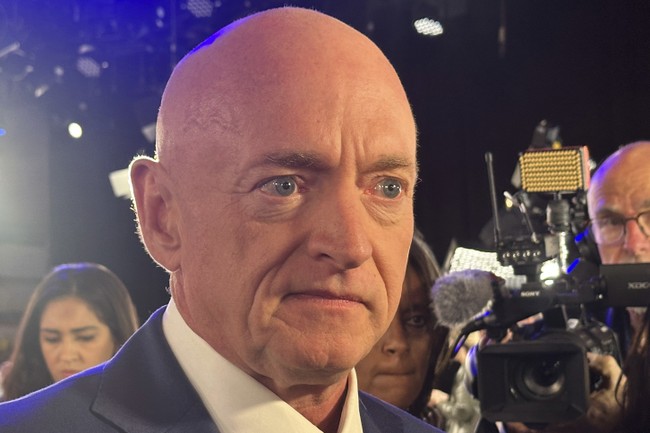
Sen. Mark Kelly’s comments on a television interview about U.S. munitions have stirred sharp reactions, with conservatives accusing him of oversharing classified details and Pete Hegseth blasting the senator as reckless and false; this piece lays out the exchange, the pushback, and why the debate matters for national readiness amid operations in the Middle East.
Senator Mark Kelly (D-AZ) said on Face the Nation that briefings from the Pentagon have revealed substantial use of U.S. munitions in the fight with Iran, and those remarks quickly sparked controversy. His framing suggested that key interceptors and long-range munitions have been drawn down, and he warned replenishment could take years. The remarks landed during an interview with Margaret Brennan that was later highlighted in a tweet about the briefing he attended.
Brennan shared a summary of what she heard from Kelly after the Pentagon briefing. She quoted him saying, “After hearing the Pentagon classified brief on Iran war impact on US weapons stockpiles, Senator Mark Kelly says it is “shocking how deep we have gone into these magazines.” He said the Tomahawks, ATACMS, SM-3, THAAD rounds, Patriot rounds, so those interceptor rounds to defend ourselves have been hit hard. He says it’ll take years to replenish those stockpiles, which could affect a hypothetical US conflict with China.”
Kelly then explained his concerns on camera, returning to specifics about the kinds of munitions he said were depleted. He stated, “A number of times, we’ve been briefed by the Pentagon on specific munitions. Actually, it’s been pretty detailed on Tomahawks, ATACMS, SM-3, THAAD rounds, Patriot rounds, so those interceptor rounds to defend ourselves. And the numbers are, I think it’s fair to say it’s shocking how deep we have gone into these magazines, because this president got our country into this without a strategic goal, without a plan, without a timeline, and because of that, we’ve expended a lot of munitions, and that means the American people are less safe, whether it’s a conflict in the western Pacific with China or somewhere else in the world, the munitions are depleted. You may have seen me ask the Secretary of Defense this question about how long it’s going to take to replenish. We’re talking about years.”
Those statements raised immediate questions about whether details from a classified briefing were being aired publicly and whether those details could alert adversaries to perceived U.S. vulnerabilities. Critics were quick to point out the potential national security implications of discussing specific weapons types and stockpile status on national television. Others pressed on the political contrast: Democrats who previously supported funneling weapons to allied conflicts now sounding alarmed when American involvement draws down certain inventories.
Brennan pushed back in the interview by referencing testimony from military leadership that suggested readiness has not suffered, even with the Middle East focus. She read a line noting, “Admiral Paparo, the head of US Pacific Command, was recently asked in front of Congress about American readiness and whether the diversion to the Middle East was hurting it. He said he did not see any real cost on our ability to deter China.” The question posed to Kelly aimed to pin down whether his “shocking” assessment meant the U.S. could not defend allies like Taiwan in a longer conflict.
Kelly answered that it depended on the duration of any future conflict, a conditional assessment that still left many observers uneasy. That uncertainty fed criticism that he might be revealing sensitive impressions from classified briefings, and that his remarks could be used by competitors when gauging U.S. force posture. The larger debate quickly turned political, with pundits and online commentators weighing in about partisan differences over weapon transfers and military strategy.
Reactions on social platforms escalated, with many users blasting Kelly’s public remarks and questioning his judgment. The backlash included accusations that discussing classified briefings on television was irresponsible and could undermine both deterrence and public confidence in military readiness. Comment threads mixed policy critique with partisan anger, reflecting how national security discussions often break along political lines.
Conservative voices, including Pete Hegseth, directly attacked Kelly’s comments and his motives, labeling the senator’s account as both false and reckless. Hegseth wrote, ““Captain” Mark Kelly strikes again. Now he’s blabbing on TV (falsely & dumbly) about a *CLASSIFIED* Pentagon briefing he received. Did he violate his oath…again? legal counsel will review.” That phrasing underscored the harsh tone from critics who view public disclosures about briefings as potential breaches of trust.
The episode exposes a tension between congressional oversight, public transparency, and operational security. Lawmakers are briefed to provide oversight, but discussing classified details in public risks handing opponents strategic insight. At the same time, voters and policymakers are demanding clarity about whether extended military operations are harming the United States’ ability to deter other global threats.
Amid the sparring, the political angle remains prominent: defenders of current policy insist continued operations are necessary to counter evolving threats, while critics cite depleted inventories and the absence of a clear strategic endpoint. The discussion over munitions, timelines for replenishment, and whether public comments compromise national security is likely to continue as both sides press their interpretations.



How can we ship a trillion dollars of American assets to Ukraine if we use them up defending the world against a nuclear Iran…
…is that the problem, because these concerns regarding munitions seem mute in the Ukraine “conflict”
Well let’s see where the Democrats have left us –
$80Billion in US Military equipment was ORDERED to be left behind in Afghanistan.
As of a year ago today, another $65Billion in military aid given to Ukraine in the past few years…