
The Treasury has unveiled a fresh set of sanctions targeting Mohammad Hossein Shamkhani and his sprawling shipping and trading network, cutting off an Iranian money-making engine that the administration says fuels Tehran’s malign actions. The measures name more than 50 new individuals, entities, and vessels tied to Shamkhani, adding to prior designations that now total over 200 targets connected to his operations. The move is being framed as a decisive step to choke off revenue streams that sustain the regime and its interference in global shipping lanes.
Mohammad Hossein Shamkhani runs the Milavous Group out of Dubai and has long been accused of manipulating oil exports and shipping routes to enrich Iran. U.S. officials say his operation handled billions in crude sales and even moved weapons across the Caspian Sea, activities that align with Tehran’s broader efforts to evade sanctions. From a Republican perspective, kneecapping these networks is straightforward national security and economic warfare — use the financial toolbox to produce real results.
The administration’s announcement emphasizes that Shamkhani’s network evolved beyond oil into containerized shipping and commodities trading, expanding the scope of its reach. That diversification made it harder for traditional sanctions to catch up, which explains the wider sweep of recent designations. Republicans argue this is exactly why sustained, aggressive pressure matters: incremental measures that finally add up to meaningful disruption.
Today, the Department of the Treasury’s Office of Foreign Assets Control (OFAC) is intensifying its efforts to disrupt and degrade the illicit shipping and sanctions evasion network of Mohammad Hossein Shamkhani (Shamkhani). This action is part of Treasury’s ongoing efforts to ramp up economic pressure on the Iranian regime after it resumed destabilizing attacks in the Strait of Hormuz. The Shamkhani network remains a major force behind Iran’s oil exports and has expanded into global containerized shipping and commodities trading.
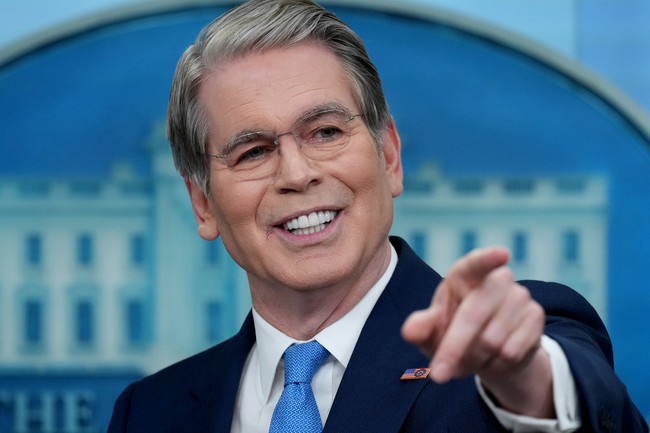
“The Iranian regime survives on deception, and the Shamkhani network is one of its most profitable engines,” said Secretary of the Treasury Scott Bessent. “Treasury is shutting down the financial infrastructure that allows the regime to continue its threats to U.S. national security and global shipping.”
Today’s action includes more than 50 individuals, entities, and vessels that enable Shamkhani and the Iranian regime to continue profiting while the Iranian people remain burdened under the economic yoke imposed by their government. Today’s action builds on OFAC’s April 2026 and July 2025 designation actions targeting the Shamkhani network, and Treasury has now sanctioned more than 200 individuals, entities, and vessels operating under Shamkhani’s patronage.
The sanctions freeze property and interests in property of designated persons within U.S. jurisdiction and prohibit transactions by U.S. persons unless authorized. They also extend to entities that are 50 percent or more owned by blocked individuals, which closes common loopholes used to mask ownership. This is the practical effect: choke off financial flows, complicate trade routes, and raise the costs for third parties that facilitate Iran’s schemes.
Shamkhani’s network has been described bluntly by critics for good reason; his activities reportedly supplied cash to Iran’s ruling elites while ordinary Iranians suffered economically. Republicans point out that hitting these revenue streams forces Tehran to choose between funding its foreign adventures and tending to the needs of its people. That kind of pressure is supposed to create leverage without firing a single shot.
The broader context is a U.S. policy that has pivoted to more assertive tools to protect shipping lanes and deter attacks in the Strait of Hormuz. Officials say this wave of sanctions follows other recent designations and is part of a consistent strategy to degrade Iran’s capacity to act aggressively. For party conservatives, consistency and intensity are what separate talk from results.
Public details released with the sanctions list name vessels, companies, and individuals that allegedly enabled Shamkhani’s trade, showing how layered these evasion efforts have become. Naming players publicly makes it harder for banks and insurers to do business with them without severe legal risk. That ripple effect is the intended consequence: raise the reputational and financial stakes until the network is no longer viable.
Sanctions enforcement will rely on reporting requirements and cooperation from international partners and private sector actors who touch the global shipping system. When combined with targeted secondary measures, the idea is to make sanction evasion on a large scale prohibitively expensive. From a conservative point of view, using America’s financial clout to protect national interests is a tested, effective approach.
These moves are not about grand gestures but about sustained pressure to deny Iran the revenue it needs to sustain destabilizing operations. The recent sanctions add to a pattern of designations aimed at the financial underpinnings of the regime’s activities. That steady tightening is meant to force changes in Tehran’s behavior without expanding military commitments.


Add comment