
I’ll recap a House Oversight hearing where Rep. Brandon Gill challenged Rep. Ayanna Pressley on the Equal Rights Amendment and DEI, relay the key exchange between them verbatim, note how the session unfolded, place the video embeds near the original points, and conclude with the response and implications without a final summary.
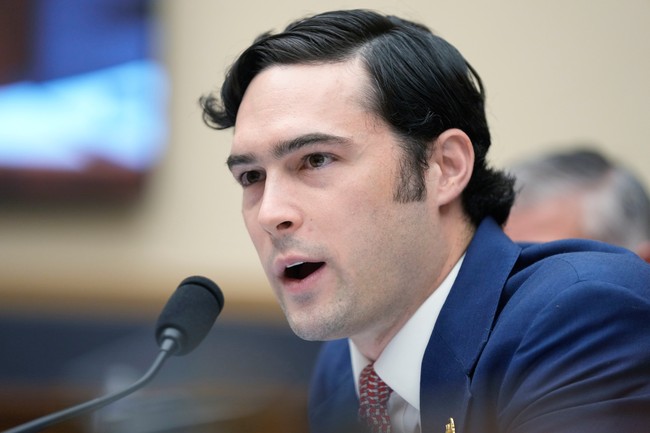
Like a Boss: Brandon Gill Ends an Ayanna Pressley Rant on Women’s Rights With One Perfect Question
The House Oversight Committee task force held a hearing titled “Combating DEI in American Institutions,” and it quickly turned into a clash over definitions and principles. Rep. Brandon Gill opened by calling DEI an affront to the ideals that define the nation and saying it rejects long-fought civil rights progress. He argued DEI judges people by immutable characteristics and framed it as both racist and a violation of the Constitution.
Rep. Ayanna Pressley used her time to push familiar talking points, casting opposition to DEI as hostility toward Black people, brown people, women, and other groups. She also reminded the room that all House Democrats had backed her bill to add the Equal Rights Amendment as the 28th Amendment. Her point was that Democrats are the defenders of women’s rights, framing the ERA as a clear dividing line between the parties.
Gill pushed back by asking a surprisingly simple but focused question about the ERA’s language and its practical implications. That one question—about the definition of “woman”—forced Pressley to repeat her call for Republicans to sign on without answering the core definitional issue he raised. The exchange exposed a fault line: advocacy rhetoric versus analytical clarity on how constitutional language would actually be applied.
Gill: “Thank you, Congresswoman. I’d be happy to look at your Equal Rights Amendment, and read through it. I guess my biggest question was does it define what a woman is?”
Pressley: “I look forward to your signing on.”
Gill: We’ll take a look at it.
Pressley: “I look forward to your signing on.”
Gill: “I just was hoping for some analytical clarity, but thank you. We’ll take a look at it.”
The moment landed because it stripped away talking points and demanded specificity on a hot-button cultural issue. Conservatives in the hearing framed concerns around women’s spaces, sports, and privacy, arguing that expanding definitions without legal clarity undermines protections early feminists fought for. Gill’s line of questioning pushed the debate from slogans to statutory consequences.
After that exchange, the hearing continued with clips and references to related moments where Gill had pressed other witnesses and advocates. The pushback resonated with members who are skeptical of broad DEI programs and worried about their constitutional and civil-rights ramifications. Witnesses, lawmakers, and viewers noted the contrast between policy detail and broad partisan appeals during the session.
Embedded video highlights from the hearing were shared during coverage to show the exchange and follow-up moments. The clip of Gill and Pressley provided the clearest example of how a targeted question can change the tone of a hearing. This footage was placed where the committee’s back-and-forth made the most sense contextually, letting viewers see the exchange for themselves.
Some participants characterized the broader trend as radical and un-American, arguing that redefining legal terms without consensus creates chaos in law and public policy. Others saw the hearing as necessary pushback against what they view as ideological overreach in institutions. The conversation reflects a larger national dispute over free speech, definition, and the proper role of government in culture.
Lawmakers on both sides will likely continue to debate the ERA, DEI programs, and the practical meanings of legal language in committees and on the floor. Gill’s requested analytical clarity—asking whether the ERA defines “woman”—is the kind of specific query that can shape legislative drafting and public discussion. The hearing left that question in the spotlight and showed how a single, precise question can cut through partisan noise.
https://x.com/realBrandonGill/status/2077064636109574334
Watch:
Here are other clips that highlight related moments from Gill’s exchanges during the hearing.



Add comment