
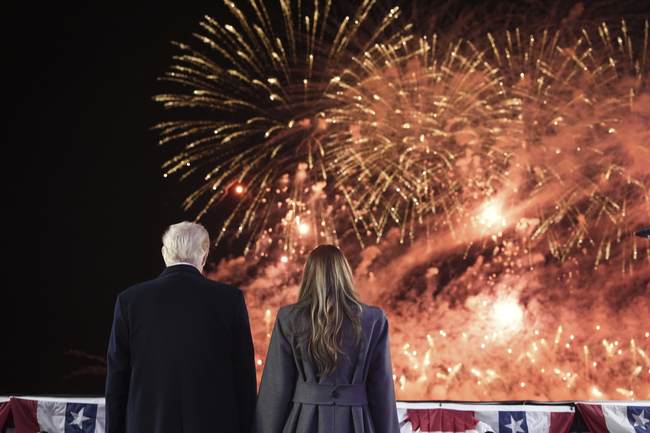
California’s coastal regulators canceled Long Beach’s traditional July 4 fireworks, touching off a familiar political fight over culture, accountability, and the future direction of the state as Governor Gavin Newsom scrambles to distance himself from a decision many see as emblematic of liberal overreach.
The Coastal Commission’s move to halt the Independence Day display landed in the middle of national conversation because 2026 marks America’s 250th birthday, a milestone that has already been tied to big, celebratory plans. Complaints about pollution and logistics were fronted as the reasons, but critics note studies that suggest fireworks have only minor effects and question the timing and priorities. Anger from residents and commentators soon turned to the question of who really holds power in Sacramento when a political storm blows up.
It sure is coincidental that 2026 is the year they pick to shut it down. It is, of course, America’s 250th b-day, an event that President Trump has touted relentlessly and has made plans for yuge celebrations.
Is the Coastal Commission worried about the water, or do they just want to thumb their nose at the president and patriots everywhere? You decide.
The backlash was swift and bipartisan in tone, with even many on the Left criticizing the taste and timing of the decision. Governor Newsom said little at first, and when he finally spoke he tried to frame himself as removed from the choice and surprised by the fallout. That posture didn’t sit well with people who watch how appointments and influence operate inside state agencies.
“It wasn’t me!” he seemed to be shouting. “I have driven this state into the ground, picked every far-left position possible on policy issues, crushed the morale of the people, but I would never shut down a patriotic fireworks display, never!”
There’s reason to be skeptical of that claim. A full third of the Coastal Commission’s members are appointed directly by the governor, and influence inside such bodies typically runs deeper than public statements. When a governor is positioning himself for higher office, the impulse to publicly disown an unpopular decision can look less like principled distance and more like political damage control.
Critics argue that Newsom’s silence until the heat rose suggested priorities other than protecting local traditions or calming constituent anger. If leaders truly cared about the people they serve, the argument goes, they would take proactive steps to ensure fair outcomes rather than waiting for bad headlines to force a response. That critique mixes genuine governance concerns with the political reality that accountability matters in an era when national ambitions are obvious.
The executive director who runs the day-to-day work of the commission is a staff hire chosen by commissioners, and that person now finds herself the focus of ire. She is the first woman to hold the position, but opponents point out that a first does not excuse decisions that appear tone-deaf to community values and traditions. People who grew up watching fireworks in Long Beach said the display has brought families together for years, and its cancellation feels personal.
Longtime attendees have memories of annual shows that became a staple for families, and now locals are left to watch celebrations from other states on television if in-person events can’t go forward. That sense of lost ritual fuels political resentment, turning what might have been a narrow regulatory choice into a broader argument about culture and governance. The optics are especially sharp in a year when national celebrations are already a political talking point.
From a conservative perspective, this is a classic lesson in why political accountability matters: when state-appointed bodies make community-altering decisions, voters want clear answers and ownership from elected leaders. They expect governors to be captains of their ship, not to sprint away when the tide turns. The reaction in Long Beach and beyond reflects frustration with governance that seems to prioritize abstract policy over everyday American joys.
Newsom’s defenders will say a single commission’s choice does not define an entire administration, but skeptics see patterns they say matter—appointments, culture clashes, and an instinct to shift blame. In the end, the dispute over a fireworks display has become shorthand for a larger debate about who gets to set priorities in California and whether a leader seeking higher office can credibly claim independence from bodies he helped staff. That tension is unlikely to fade as the calendar moves toward 2028 and political stakes rise.

Strap Newsom to a Musk Rocket and shoot it off as the alternate Fireworks July 4TH celebration! That way we get rid of a Load of Problems plaguing California!
Every time you think nothing else could add the the problems of California, an anti-American decision like cancelling the July 4, 250th Anniversary fireworks in Long Beach takes place. Fortunately there is a primary election coming up fast for California Governor. The citizens will have the final say.
Yes it’s truly unreal what is going on due to that crud in office there and you nailed it!
Home-based job that pays more than 12,000 Dollar per month by doing simple tasks on a laptop or mobile device part-time. Last month, I earned 24,863 Dollar from this job by working 4 hours per day online. Very simple jobs to do, and the earnings are insane. Everyone can now make more money online by joining the website listed below…..
𝒋𝒖𝒔𝒕 𝒖𝒔𝒊𝒏𝒈 𝒕𝒉𝒊𝒔 𝒔𝒊𝒕𝒆.. Www.FindJobs1.Site