
President Donald Trump warned the ceasefire with Iran could end by Wednesday if a concrete deal isn’t reached, while he said Chinese leader Xi Jinping was pleased with recent progress as the Strait of Hormuz reopened and a Malta-flagged cruise ship transited the route without passengers on board. The situation oscillates between hopeful negotiations and the threat of renewed military action, with Trump emphasizing a continued blockade even if the ceasefire is not extended. Reports of the cruise ship’s passage added an odd, human element to an otherwise tense diplomatic standoff.
President Trump told reporters on Air Force One that he may choose not to extend the ceasefire unless Iran agrees to a durable arrangement by Wednesday, setting a tight deadline that could force rapid decisions. He stressed that the blockade would remain in place regardless of whether he extends the pause in hostilities, framing it as a tool that will continue to be used to pressure Tehran. That blend of diplomacy on a timer and sustained military pressure is the central dynamic shaping events in the region.
President Donald Trump said late Friday he may end the ceasefire with Iran unless a long-term agreement is reached by Wednesday.
“Maybe I won’t extend it, but the blockade is going to remain,” Trump told reporters on Air Force One. “So you have a blockade, and unfortunately we have to start dropping bombs again.”
Trump described recent developments as promising but deliberately cryptic, saying, “We had some pretty good news 20 minutes ago, but it seems to be going very well in the Middle East with Iran.” He added that negotiations had seen multiple elements negotiated and agreed to, suggesting that a diplomatic path remains on the table if Tehran chooses it. When pressed about the specifics, he offered only, “You’ll hear about it.” That mix of vagueness and urgency keeps both allies and adversaries guessing.
The president doubled down on confidence when asked about the mysterious positive turn, repeating a guarded optimism that a sensible outcome would materialize. “You’ll hear about. I just think it’s something that should happen. It’s something that only makes sense to happen. And I think it will. We’ll see what happens, but I think it will,” he said, signaling faith in a resolution while reserving the option to act if negotiations fail. That language conveys both resolve and a readiness to escalate if Iran does not meet U.S. terms.
Beyond the U.S.–Iran standoff, Trump noted that China and Xi Jinping were “very happy” with how events were unfolding, implying Beijing sees benefits from de-escalation or from the diplomatic framework being developed. Whether China’s interests align fully with U.S. aims remains an open question, but Trump’s comment suggests at least temporary concurrence from a major global power. In high-stakes diplomacy, such endorsements can matter a great deal.
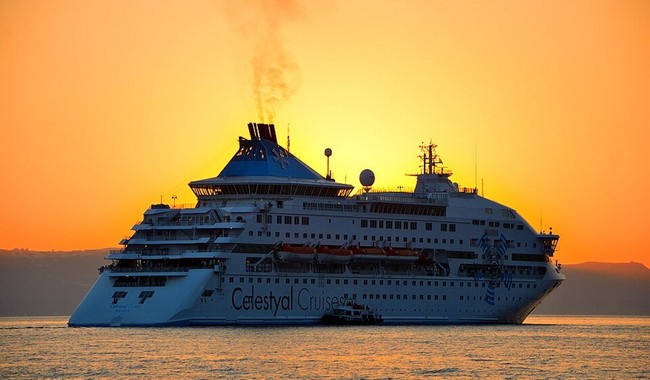
The operational picture in the Strait of Hormuz has been volatile, with officials trading claims about closures and reopenings even as commercial traffic moves cautiously. In one striking episode a Malta-flagged cruise ship crossed the strait without passengers after a long layup, an image that underlines how quickly routine travel can feel precarious during geopolitical friction. The ship’s transit became a humanizing footnote amid military posturing and diplomatic deadlines.
The Malta-flagged vessel departed Dubai on 17 April after remaining docked for approximately 47 days, having first arrived in early March. According to #MarineTraffic data, the ship crossed the Strait of Hormuz at UTC today and is currently heading toward Muscat, Oman, with an estimated arrival on 18 April. Reports indicate the vessel is sailing without passengers.
The ebb and flow of these developments has produced a news cycle that moves fast and can feel disorienting, as optimistic negotiation signals can flip into threats of renewed strikes within hours. Trump’s timeline and his insistence that the blockade will continue create leverage, but they also raise the risk of miscalculation if communications break down. Observers are watching closely for any sign that Iran will accept terms or that America will resume kinetic action.
For now, the situation sits on a knife edge: diplomacy racing against a countdown, a sustained blockade in place, public statements that mix confidence and ambiguity, and maritime movements that highlight both the danger and the odd moments that punctuate high-stakes crises. The coming days will determine whether restraint holds or whether pressure gives way to force, with implications that reach far beyond the Strait of Hormuz.

Home-based job that pays more than 12,000 Dollar per month by doing simple tasks on a laptop or mobile device part-time. Last month, I earned 24,863 Dollar from this job by working 4 hours per day online. Very simple jobs to do, and the earnings are insane. Everyone can now make more money online by joining the website listed below…..
𝒋𝒖𝒔𝒕 𝒖𝒔𝒊𝒏𝒈 𝒕𝒉𝒊𝒔 𝒔𝒊𝒕𝒆.. Www.FindJobs1.Site