
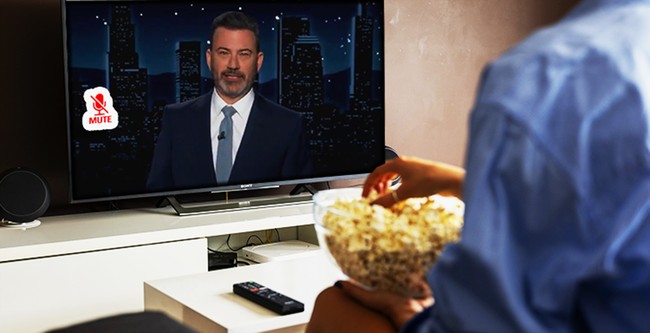
Jimmy Kimmel took Britain’s Alternative Christmas Message and used it to warn that “tyranny is booming” in America under President Donald Trump, but that claim comes across as out of touch when you compare free speech realities in the United States and the United Kingdom.
On Christmas Day Kimmel delivered the Alternative Christmas Message on Channel 4, a slot intended as a counterpoint to the monarch’s address. He framed the United States as sliding toward fascism and portrayed President Trump as a would-be king, seasoning the remarks with sarcasm. That tone landed with irony because Kimmel speaks from a country where political comedy and critique face few legal limits.
He even joked about his own brief suspension from ABC earlier this year and treated the backlash as proof of free speech thriving in a supposedly oppressive nation. The audience heard him taunt President Trump, suggesting complaints about late-night humor only helped keep his show alive. The scene highlights how American entertainers can loudly criticize officials without government punishment.
Late-night hosts such as Kimmel, Stephen Colbert, Seth Meyers, and Jon Stewart regularly target Trump without facing state censorship or legal consequences for their monologues. Political speech in the U.S. benefits from strong First Amendment protections, which cover harsh, unpopular, or offensive commentary. That legal shield is a core reason why political satire remains an institutional part of American discourse.
By contrast, the U.K. enforces laws that often sweep social media and online speech into criminal territory. Statutes like the Malicious Communications Act (1988) and the Communications Act (2003) have been used to arrest people for posts deemed grossly offensive or menacing, and UK police record thousands of related arrests. Those arrests show a very different relationship between the state and public expression than what we see in America.
Reports from 2024 and 2025 show forces logging over 12,000 such arrests in recent years, frequently tied to social media posts that cause “anxiety” or offend sensitivities. High-profile instances include comedy writer Graham Linehan, who was detained over posts, and others who faced cautions for memes or critical comments. Critics argue these prosecutions chill debate and punish provocation rather than protect the public from real harm.
In the United States there is no national statistic for “speech arrests” because they are so rare, especially for single-instance offenses like a nasty tweet. When arrests do happen here over online conduct, they typically involve repeated harassment, stalking, or credible threats that cross into criminal behavior. That distinction matters when people abroad lecture Americans about creeping authoritarianism.
Kimmel’s international platform lets him mock the president nightly and deliver speeches to foreign audiences decrying authoritarianism, yet no U.S. comedian of his profile has been jailed or prosecuted by the government for political jokes. His brief corporate suspension was a workplace action, not a state crackdown, and it was reversed after public pushback. That’s the difference between corporate discipline and legal censorship.
When citizens risk arrest for a harshly worded post, warnings about tyranny from abroad carry less credibility. The United Kingdom provides tangible examples of speech policing that would alarm free speech advocates in America, while U.S. institutions still tolerate vigorous media criticism and satire. Pointing out those contrasts is not defense of every crude remark, but it is a defense of a system that protects unpopular speech.
Celebrity complaints about election outcomes or policy choices do not equal the end of liberty; they reflect a contentious, functioning constitutional republic where public debate is messy and loud. If Kimmel is genuinely concerned about freedoms eroding, looking closer at how other democracies police expression would be a better use of his platform. In the meantime, Americans can still count on a legal environment that largely shields speech from government punishment.

This creep shill for the Globalist Totalitarian Control Power Mongers is nothing but a closet Communist Elitist Punk!
Kimmel is a POS!!!