
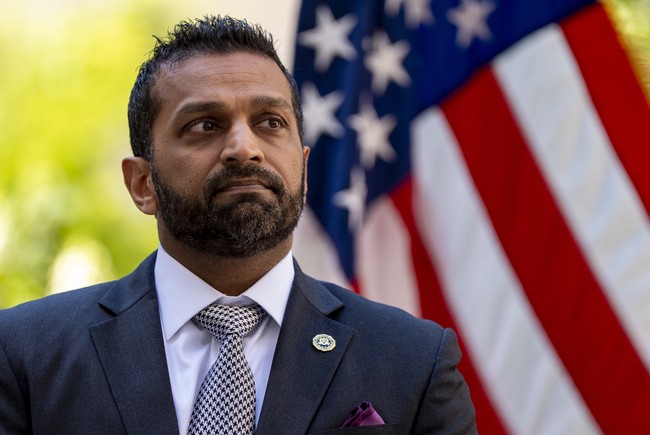
The Atlantic published a new attack on Kash Patel that echoes past liberal smear campaigns, relying on thin sourcing and recycled tactics, and now Patel is fighting back with a massive lawsuit while conservative observers point out the outlet’s bad history and obvious agenda.
The recent piece claimed Patel, the FBI Director, was frequently absent, drank excessively, and feared losing his job. It suggested that on some occasions “breaching equipment” was requested because Patel had been unreachable behind locked doors. Those are serious allegations that The Atlantic pushed with minimal on-the-record sourcing.
People who worked closely with Patel publicly disputed the narrative, and the governor of skepticism among conservatives is high given The Atlantic’s track record. That reputation matters because readers deserve journalism grounded in verifiable facts, not rumors passed along anonymously for dramatic headlines. The story gave the FBI a very short window to respond, which only fuels questions about the outlet’s priorities.
Predictably, Patel’s team is not taking the report lying down; he filed a $250,000,000 defamation suit against The Atlantic. That figure signals this is more than a garden-variety disagreement—it’s a direct challenge to a media narrative. Discovery in a lawsuit like this can pull back the curtain on sourcing, editorial decisions, and whether the outlet acted responsibly.
The piece appears to have been shopped around before publication and struggled to find buyers, which is a red flag about the strength of its claims. Multiple outlets reportedly passed on the story, a detail that should matter to readers weighing credibility. When reporters rely heavily on unnamed sources who refuse to go on record, the result is often more heat than light.
Sarah Fitzgerald, the writer credited with the article, has a past controversial story tied to Supreme Court Justice Brett Kavanaugh that conservatives still point to as evidence of recurring sourcing problems. That previous episode remains a touchstone for critics who see a pattern: blockbuster allegations, weak sourcing, and public fallout. Those critics argue the same pattern is playing out here.
By the way, @S_Fitzpatrick is also the reporter who wrote the throughly debunked hit piece that claimed Supreme Court justice Brett Kavanaugh drugged women so they could be sexually abused.
She has a history of writing hit pieces with either no sources on the record or completely discredited sources.
Conservative analysts like Brad Slager flagged how the Atlantic report is thinly sourced and how it backfired because many named claims were unattributed or hedged. That analysis is less about defending any individual and more about demanding rigorous standards in national reporting. If outlets keep treating anonymous tips as finished stories, the public trust in journalism will erode further.
Commentators predicted that the discovery process in Patel’s lawsuit will be revealing and perhaps embarrassing for the publication if the reporting cannot be substantiated. A legal probe can compel memos, emails, and eyewitness testimony that a newsroom might prefer to keep private. For readers and for accountability, that kind of scrutiny is necessary when reputations and careers are attacked in print.
Beyond the legal fight, the episode highlights a recurring problem with modern media: the rush to publish sensational claims about conservative figures without robust evidence. That trend undermines legitimate investigative reporting and makes it harder to distinguish wrongdoing from rumor. Conservatives see this as part of a broader pattern in which establishment outlets push narratives that fit a preferred framing.
Patel’s critics and supporters alike will watch the lawsuit closely, because it could set a precedent for how aggressively public figures respond to what they claim are defamatory reports. If the suit succeeds in uncovering poor sourcing or editorial shortcuts, it may force outlets to tighten their standards. For now, the clash is another chapter in the ongoing battle between conservative officials and mainstream media institutions over trust, transparency, and accountability.



“When reporters rely heavily on unnamed sources who refuse to go on record, the result is often more heat than light.”
Generally true, and this piece is filled with examples:
“Multiple outlets”
“Critics who see a pattern”
“Commentators who predicted…”
Those are your sources?
If you want to criticize, don’t set yourself up for the same criticism.