
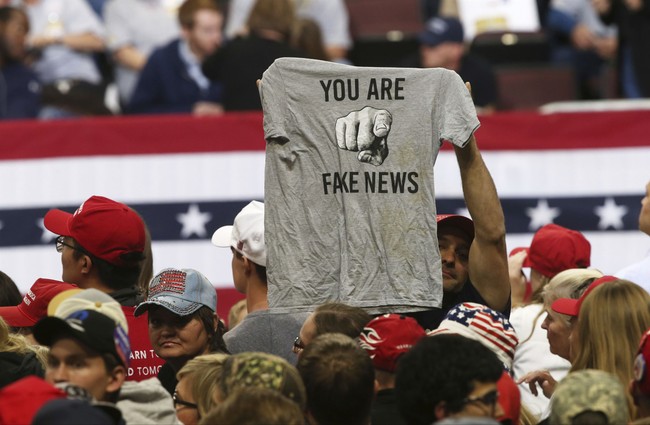
The White House Correspondents’ Dinner is back in the spotlight because President Donald Trump has decided to attend, and a sizable group of journalists is demanding dramatic protest measures. This piece looks at the push for a forceful demonstration by more than 250 signatories, contrasts press behavior under different administrations, and argues the request reads as partisan theater rather than a defense of free speech. It also highlights examples of real threats to independent reporting and questions who is genuinely under siege.
President Trump will attend the White House Correspondents’ Dinner, and that simple fact has set off a predictable reaction in the media. For many, the event is a ritual of mutual admiration where the press celebrates itself, and some journalists see Trump’s presence as an affront. Others argue a president attending a press event should be treated like any other guest, not a target for performative moralizing.
A group of over 250 journalists has asked the White House Correspondents’ Association to use the dinner to “forcefully demonstrate opposition to President Trump’s efforts to trample freedom of the press.” That demand was circulated widely and includes names from across old media, which only highlights the partisan tone of the appeal. Signing a letter and expecting a staged denunciation from the podium is a political act, not a neutral defense of the First Amendment.
The letter spends pages cataloging grievances and accuses the administration of a systemic assault on the press. It lists alleged retaliatory access bans, lawsuits, regulatory pressure, arrests of journalists, and pardons for violence against reporters. Those are serious claims and deserve scrutiny, but the context is missing: these same outlets rarely challenged abuses when they came from administrations they favored.
To the Officers, Board of Directors, and Members of the White House Correspondents’ Association (WHCA):
We, the undersigned, call upon the White House Correspondents’ Association to use the occasion of the White House Correspondents’ Dinner, to forcefully demonstrate opposition to President Trump’s efforts to trample freedom of the press.
The dinner has long served as a symbol of the vital and irreplaceable role of a free press in American democracy and a celebration of the First Amendment and the journalists who uphold it. President Trump’s systematic, sustained, and unprecedented attacks on the free press (detailed below) render his presence at such an event a profound contradiction of its purpose.
The collective weight of the administration’s actions — retaliatory access bands, coercive regulatory investigations, frivolous lawsuits against the press, defunding of public broadcasting, dismantling of international broadcasting, physical restrictions on journalists, personal verbal attacks on reporters, assaults on the media in official White House press releases and social media posts, the arrests of journalists, and the pardoning of those who committed violence against the press — represent the most systematic and comprehensive assault on freedom of the press by a sitting American president.
Critics point out a glaring double standard: where was this outrage when surveillance or pressure came from a previous administration? The notion that press freedom needs defending only when a president who doesn’t fit newsroom preferences is in the room undercuts the letter’s credibility. That inconsistency makes the protest demand look like a partisan stunt rather than a principled stance.
There are concrete, real threats to speech and independent reporting that deserve attention beyond elite dinners. State-level efforts to silence independent journalists, harassment campaigns, and laws designed to chill reporting are genuine problems. When those threats appear, the press should respond uniformly and forcefully, not selectively based on who sits at the head table.
Contrast the media’s treatment of presidents who fit their worldview with their current posture. Plenty of reporters toasted and posed for photos with administrations they liked, seldom asking uncomfortable questions about surveillance or favoritism. That selective outrage corrodes trust and makes it easier for critics to argue that the media’s defense of the First Amendment is performative.
President Trump, for his part, is not shy about confronting journalists, and his off-the-cuff style exposes the weaknesses of carefully scripted gotcha sessions. When a president engages directly and candidly with the press, it removes the insulation that allows journalists to frame themselves as the sole gatekeepers of truth. That dynamic unnerves institutions used to controlling narratives.
The theatricality of demanding a podium denunciation and a staged toast to the First Amendment misses the point of press freedom. Free speech is robust precisely because it survives criticism, satire, and even embarrassment at events like the Correspondents’ Dinner. If the press collapses into self-parody while proclaiming victimhood, it weakens its own case.
Beyond Washington pageantry, there are states and local contexts where threats to journalism are tangible and immediate. Independent reporters face smear campaigns, legal harassment, and even threats to their safety. Highlighting those cases would be a more effective use of collective energy from newsrooms than orchestrated protests aimed at a single public appearance.
There is a long tradition of presidents attending the White House Correspondents Association Dinner. But these are not normal times, and this cannot be business as usual with the press standing up to applaud the man who attacks them on a daily basis.
We understand that some journalists plan to wear pocket handkerchiefs or lapel pins with the words the First Amendment. And continuing in that spirit, we believe the White House Correspondents Association should take stronger action by issuing — from the podium — a forceful defense of freedom of the press and condemnation of those who threaten that freedom, followed by a standing toast to the First Amendment and a pledge to continue upholding such a critical cornerstone of our democracy. Speak forcefully, in front of the man who seeks to undermine our country’s long tradition of an independent, strong, and free press.
At the end of the day, if the press wants public trust it needs to act like a consistent guardian of liberty, not a partisan player seeking optics. Choosing when to defend the First Amendment based on political convenience invites ridicule and weakens the institution. The dinner should be a night of civility and, if necessary, honest questions rather than scripted moral theater.
Performative protests and op-eds will not cure the deeper credibility problems that mainstream media face. Responsible outlets should focus their energies on exposing real threats, holding power to account across administrations, and rebuilding trust with the audience. Anything less is theater.
Journalists who genuinely care about press freedom should use their platforms where it matters: in courts, legislatures, and the states where real suppression occurs. Pointing fingers at a guest at a dinner table will make headlines for a night, but it will do little to secure the long-term future of independent reporting.

Add comment