
Despite Congress’ Resignations, Deaths, and Disappearances, Americans Have an Opportunity to Remake It
Congress is failing its people: approval sits near single digits, members are resigning or disappearing, and several have died in office. That turmoil opens a rare national moment to replace weak, compromised, or absent lawmakers with tougher representatives who actually answer to voters. This piece traces recent resignations and deaths, highlights absenteeism and dereliction of duty, and argues why increased voter scrutiny and tougher primaries could reshape the institution. The focus is on outcomes for voters and the need for candidates who will fight rather than coast.
Approval ratings for Congress have collapsed, and party approval numbers are equally ugly with Republicans drifting and Democrats near rock bottom. Low trust is not abstract; it reflects a string of scandals, poor performance, and public perception that many members are unfit or uninterested in doing the hard work of governing. Voters are rightly fed up with name-recognition incumbency that shields bad behavior and depresses accountability. This dissatisfaction creates an opening to demand higher standards and to back challengers who will actually represent their districts.
In recent weeks a handful of members resigned instead of facing expulsions, and those departures show how little grace remains for proven misbehavior. Representative Sheila Cherfilus-McCormick, Representative Eric Swalwell, and Representative Tony Gonzales all left their posts, clearing seats that had become liabilities. Some of these vacancies have already produced hopeful replacements, including candidates who emphasize Second Amendment rights and small-government values. That turnover is a chance for voters to press for integrity and competence, rather than accept the usual Beltway roster.
Absenteeism is another glaring problem, and it cuts across the aisle. Some members miss critical votes because of illness, other campaigns, or apparent disengagement, leaving constituents without active representation. Cases where members disappear from the Capitol without explanation foster both cynicism and practical harm, as key legislation gets decided without full participation. Leadership also shares blame if it tolerates months-long absences instead of demanding accountability from its own ranks.
Republican New Jersey Rep. Tom Kean Jr., who represents a highly competitive district Democrats are targeting in the midterms, has reportedly not been seen by colleagues for over a month and has missed dozens of votes.
Kean, who has held New Jersey’s Seventh congressional district since 2023, has not cast a vote since March 5 and has missed nearly 50 roll calls, Politico reported late Wednesday. Kean missed over 20% of the votes between January and March 2026, according to GovTrack.
New Jersey’s other two Republican Reps. Chris Smith and Jeff Van Drew, told Politico they had been calling and texting Kean out of concern, only to be met with “radio silence.” Other members of his conference have yet to meet and address the issue.
Deaths in office add another layer to the turnover and underline the fragility of a system that clings to longstanding incumbents. Recent passings include notable figures across party lines, and each loss reshuffles local politics and opens competitive special elections. This natural culling, while tragic, also pries open seats where voters can demand better representation. If the electorate seizes these moments, they can force a generational and ethical refresh in many districts.
Primary season now matters more than ever because party leaders often protect tired incumbents rather than let voters decide. Local activists in places from Alabama to Utah are pushing back against insiders and scrutinizing both incumbents and challengers. That scrutiny is producing real consequences: candidates with spotty records or troubling allegations find themselves under brighter lights, and some are being forced to explain behavior that previously would have been ignored. A robust primary calendar gives voters practical leverage to reshape who sits in Congress.
Allegations and investigations into candidates are playing out in real time, and sunlight is exposing behavior some parties preferred to sweep under the rug. Multiple accusations in some races have injected chaos into otherwise predictable contests, creating openings for stronger, more accountable contenders. Where voters pursue truth and demand answers, the quality of representation improves and political opportunism is punished. Persistent inquiry and media attention can be uncomfortable, but they are precisely what the system needs right now.
Four people from Utah political circles — three of them elected officials — accuse Eva Lopez Chavez, a Salt Lake City Council member and Democratic congressional candidate, of restraining them during what they considered unwanted sexual advances.
Lopez Chavez, through attorney Greg Skordas, said nothing “inappropriate” occurred during her interactions with three of the people and the fourth alleged contact “never occurred.” She is “shocked by the allegations,” a statement from Skordas said. “She is prepared to address them in any forum. She stands ready to submit to a polygraph test regarding these various allegations if requested.”
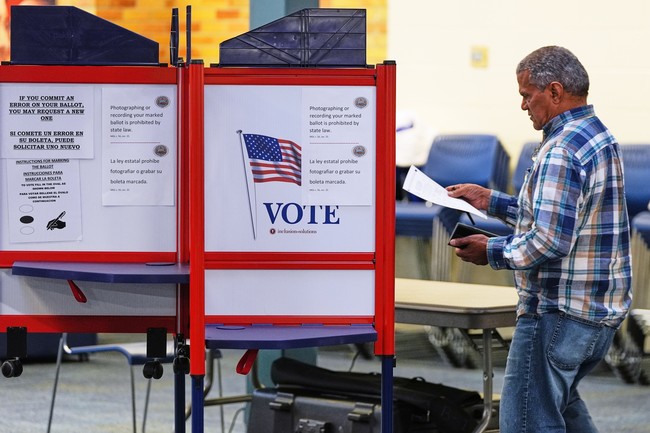
Ultimately, voters should use every tool available—primaries, special elections, and grassroots pressure—to replace poor-performing members with fighters who will honor their oaths. The moment is awkward and unpredictable, but that disorder can be harnessed to produce better outcomes. If citizens demand candidates who are present, accountable, and unafraid to defend shared values, Congress will reflect that change. The next wave of elections could finally answer whether Americans want a legislature that works or one that simply preserves the status quo.



Add comment