
This article examines how recent remarks from a WNBA coach about transgender athletes collided with a public stance from Indiana Fever guard Sophie Cunningham, and how those exchanges highlight a broader debate over the purpose of sports, fairness for female athletes, and the tension between inclusivity and competitive integrity.
The controversy started when Sophie Cunningham refused to back down from her position that biological males should not compete in women’s sports, a view that has provoked strong reactions across the league. Her comments drew both praise and condemnation, and some fans who supported her were openly confronted at games, which escalated the atmosphere around the debate. That backlash framed the issue as not just theoretical but painfully real for young fans and athletes in attendance.
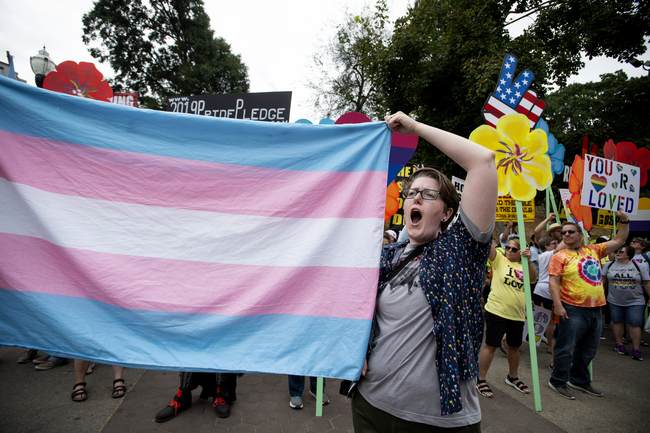
Into that heated context stepped Golden State coach Natalie Nakase, who described sports as “about belonging” and “about inclusivity” and said she wants every woman and little girl to feel like she belongs. Nakase referenced personal experiences with discrimination and asserted that her stance includes trans women. Her remarks made clear that for some coaches, protection and welcome trump concerns about competitive balance.
“I think just in terms of how I’m seeing it is, if I can answer, for me sports is about belonging. It’s about inclusivity. It’s about allowing everyone to be their authentic self,” Nakase said.
The coach then referenced her ethnicity. Nakase is a third-generation Japanese-American, she previously became the first Asian American to play in the National Women’s Basketball League (NWBL).
“I’m big on that because I have been criticized for my height, for my ethnicity. I’ve been in those ‘you shouldn’t belong here,’ [moments] and for me I don’t want that space, especially Golden State, to ever feel like that. “I’m all about women, little girls deserving to play, and that includes trans women. So I’m all about inclusivity.”
That line of thinking clashes with a different, practical view of sports that treats competition as the key driver: you pick the best athletes for the job based on performance, not identity. From that perspective, sex-separated sports exist precisely because physical differences between men and women often matter in competitive contexts. For many observers, conflating social acceptance with competitive structures feels like a category error.
Arguments about fairness and safety in women’s sports have been around for years, and they resurface whenever a high-profile athlete or coach weighs in. The debate isn’t merely academic: policy decisions affect who gets to compete at the highest levels and how young athletes plan their futures. When voices inside the sport lean toward broad inclusion without addressing competitive safeguards, it heightens the stakes for female athletes who fear losing opportunities.
The public reaction has been messy, and sometimes ugly, with fans who voice support for one side being shouted down at arenas and criticized online. That kind of theater only deepens divisions and makes productive policy discussions harder to have. Instead of calm debate about fair rules, emotions and the loudest moments tend to dominate headlines and social feeds.
Some people argue the solution is simple: maintain sex-based categories to preserve competitive fairness, and create inclusive, safe spaces elsewhere for people who do not fit neatly into those categories. Others insist accommodations should be made so trans women can participate in women’s sports without barriers. The real question is how to balance those competing priorities in a way that respects everyone while protecting fairness.
Practical policy options vary from performance-based eligibility standards to separate classifications or transitional requirements, each with pros and cons. Any chosen approach will have ripple effects for recruitment, team strategy, and how young athletes perceive their chances. Coaches, leagues, and parents are aware that whatever framework emerges will shape the next generation of competitors.
https://x.com/OliLondonTV/status/2084230668091818169
What complicates everything is the emotional texture of the debate: people talk about belonging, identity, and justice alongside physiology, strength, and competition. Coaches who emphasize belonging are responding to real harms of exclusion, while those focused on fairness worry that science and competitive integrity are being sidelined. Both sides have urgent claims, and reconciling them has proven politically and practically difficult.
Public figures in sports weigh in with different priorities, and their positions can shift fan loyalties and league dynamics overnight. When coaches frame their teams as sanctuaries of inclusivity, critics worry those statements prioritize ideals over outcomes for female athletes. At the same time, champions of inclusion push back against what they see as gatekeeping and exclusion rooted in prejudice.
Whatever path forward is chosen, leagues will have to craft rules that withstand legal, scientific, and cultural scrutiny while keeping the focus on competition. Fans and parents will continue to demand clarity about how fairness is measured and protected. Meanwhile, the flashpoints—comments from players, confrontations at games, and coach interviews—will keep this issue in the headlines.
That ongoing visibility means the debate won’t disappear any time soon, and stakeholders from athletes to owners will be forced to pick clearer positions. The choices made now will shape who gets to wear a uniform and how women’s sports evolve in the years ahead. Expect more heated exchanges as the league, players, and fans push for solutions that reflect their values and priorities.
Watch:
I’m a middle-aged woman who enjoys watching rather than playing, and the claim that identifying as an elite athlete is enough to make one competitive at the highest level simply doesn’t match reality. Talent, conditioning, skill, and grit still determine who succeeds on the court, and those factors don’t change because someone declares an identity. Fans want to see real competition, and athletes want a level playing field where effort and preparation are rewarded.
Further, with very few exceptions, sports have been separated by sex because biological differences often affect performance, particularly in strength and speed-based events. Dismissing those differences in the name of inclusivity risks sidelining female competitors who trained under the current rules. The lived experience of the athletes caught in the middle deserves thoughtful protection, not simplification for the sake of optics.
About the only thing that might shift entrenched views quickly would be a dramatic structural change that forces a reckoning, like merging leagues or opening male entry into women’s divisions. Those hypothetical moves would reveal how policy choices change behavior, and likely prompt rapid reassessment. Until then, expect this conversation to remain a flashpoint across locker rooms, boardrooms, and editorial pages.
Somebody needs to make that happen. And then watch how fast these woke coaches change their tunes.


Add comment