
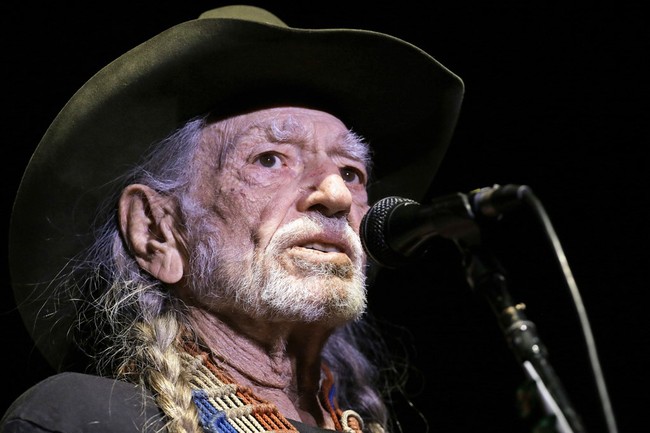
I’ll lay out why Willie Nelson’s plea about data centers matters, how data centers help and hurt rural America, and why national security and competition with China force hard choices about where and how we build critical infrastructure.
I’ve liked Willie Nelson for years and respect his love for Abbott, Texas, but his warning about “water-thieving” data centers raises real tensions between protecting farmland and meeting modern national needs. His emotional appeal taps into a deep conservative instinct to defend local communities, open spaces, and family farms from distant corporate decisions that feel extractive. Yet this moment also intersects with a global tech competition that carries real strategic stakes for the United States.
Nelson, now 93, voiced his concern plainly: “I grew up in Abbott and I still have a home there with farmed land where I can still see stars at night. And now our community, like many others, needs to fight against data centers invading our land. The last thing we need is a water-thieving, light-polluting, data center anywhere near our town (or any others for that matter).” His words reflect a worry that rural life and resources could be sacrificed for facilities that many locals barely understand.
Those feelings are valid. Data centers can be imposing: they require significant electricity and sometimes water, occupy large tracts of land, and bring noise from cooling and backup systems. For small towns and family farms, losing productive acreage to an industrial campus can feel like a direct hit to livelihoods and local identity. Conservatives should take those concerns seriously because conservative principles include local control and stewardship of land.
At the same time, reality is changing fast. Data centers power cloud computing, healthcare systems, financial infrastructure, and AI research that underpins both economic strength and national defense. They create construction jobs, some technical positions, and tax revenue that can help small towns—though often fewer permanent jobs than locals expect. The choice isn’t simply rural preservation versus progress; it also involves national competitiveness and security.
We can’t ignore the geopolitical dimension. The artificial intelligence race with China is intense, and leadership in AI will shape economic output, military capabilities, and global standards. If America cedes technological dominance because we refuse to build the necessary infrastructure, we risk letting adversaries write the rules. That matters for every citizen, rural or urban, because national security decisions trickle down into everyday life.
Practical trade-offs demand clearer rules and tougher local voices at the table. Federal and state incentives can steer investment toward sites that minimize harm to prime farmland, protect water supplies, and respect community wishes. Smart siting, stricter environmental standards, and genuine community benefits agreements can reduce the sting of change while still enabling the facilities the country needs.
Pluses of modern data centers are real: they support cloud services, research, healthcare, and finance; they strengthen cybersecurity and national competitiveness; and they can attract high-value investment. Minuses are equally real: heavy electrical demand, possible water use for cooling, land consumption, noise, and often a small long-term local workforce compared to the capital involved. We should weigh both honestly.
Local leaders must have a strong voice, not token consultations. Regulations should require transparent impact studies, binding commitments to protect farmland and water, and enforceable local revenue sharing. When companies want to build where people raise crops and drink from wells, communities deserve hard guarantees—not just glossy promises.
Washington also has to think strategically. If the U.S. bows out of building critical computing infrastructure, rivals will fill the gap and gain leverage. That’s a national security calculus, not a partisan talking point. Conservatives who care about sovereignty and strength should be skeptical of yielding essential capabilities under the guise of local preservation unless clear alternatives exist.
At the same time, ideological alarmism does no favors either. Conspiracy-driven phrases and fearmongering make reasonable people tune out. Protecting rural America means rejecting both cynical corporate indifference and paranoid rhetoric that clouds legitimate debate. We need honest discussions that pair respect for people and place with a tough-minded view of strategic necessity.
https://x.com/WillieNelson/status/2082197453864907116
The debate around data centers should be a test of conservative governance: defend local interests, insist on accountability and stewardship, and ensure national defense and technological leadership are not sacrificed. That means pushing for smarter siting, better environmental safeguards, and community-first benefit deals while recognizing that some infrastructure must be built to keep America competitive.



Add comment