
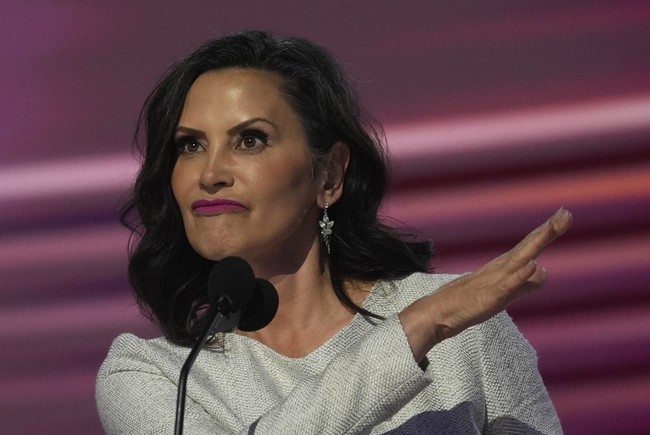
The piece examines recent events linking James Comey and Michigan Gov. Gretchen Whitmer, questions whether similar behavior should face equal scrutiny, and considers how investigators and the public might respond to symbolic messages aimed at President Trump.
Some days watching politics feels like a slow-motion train wreck, and this week had that feeling for many people. Michigan residents have had a front-row seat to Governor Gretchen Whitmer’s style for nearly eight years, and recent headlines brought a familiar mix of outrage and amusement. The comparison between actions by James Comey and a past Whitmer image has people asking whether tone and intent matter in deciding who faces consequences.
James Comey was already a flashpoint years ago when he was dismissed by President Trump, and a recent photo he posted that read “86 47” prompted an indictment alleging it amounted to a threat. That case has renewed attention to similar past moments, including a televised image involving Gov. Whitmer that featured “86 45.” People are debating whether these sorts of visual jabs cross a legal line or are simply tasteless political theater.
When federal prosecutors announced the Comey indictment, the press and public quickly brought up other incidents that used coded or symbolic language aimed at presidents. It’s natural to wonder whether similar pictures or posts by political figures should be treated the same way. Distinguishing joke from threat requires looking at context, history, and the person’s role, and those factors often split observers along partisan lines.
Michigan Republicans are the U.S. Department of Justice should investigate Gov. Gretchen Whitmer’s “86 45” emblem visible in a television interview she filmed, but the five-year statute of limitations under federal law would probably bar any charges related to the 2020 incident.
The Justice Department on Tuesday announced an indictment against former FBI Director James Comey over a photo he posted to social media last year of seashells on a beach arranged to read “86 47,” which prosecutors allege was intended to be a threat to the life of President Donald Trump, the 47th president.
Acting U.S. Attorney General Todd Blanche was asked whether Whitmer could face investigation, and his response left room for follow-up. “Other incidents of threats against the president of the United States, those will be investigated,” he said, noting that each case turns on its own facts. He emphasized that who made the statement, what the words were, and the intent behind them are all important variables.
Blanche added, “Every case is different. The facts are different. Who makes the threat matters. What the threat says matters. The question of intent matters,” and he warned against simple comparisons between cases. “It’s not fair … to compare, if you did it here, why didn’t you do it there?” Those lines make clear that the Justice Department sees nuance in how it handles alleged threats and symbolic acts.
People who are deeply opposed to President Trump sometimes step beyond insult and into imagery that some interpret as a call to action, while others see nothing more than poor taste. Throughout American history, presidents have been the target of rhetoric and threats, and law enforcement has had to draw lines between protected speech and criminal conduct. That job gets harder when symbols and numbers get involved.
So was James Comey trying to menace the president with his image? Based on available signals, many observers think the act was clumsy and ill-advised rather than criminally intended. Laughter and derision aside, intent is the key legal issue, and proving a deliberate threat is not the same as proving bad judgment. The same questions apply to Gov. Whitmer’s past emblem and whether it was serious or symbolic.
People in Lansing who remember the moment tend to shrug and treat the Whitmer image as a political misstep rather than a real threat. Locals report it was widely mocked rather than taken as a literal threat, and most conversations at the time framed it as tone-deaf political theater. Public reaction matters because it helps shape prosecutors’ assessments of whether a reasonable person would interpret the message as dangerous.
There’s a simple baseline here: telling someone they should be killed is never acceptable, and public figures should avoid language that might be read as encouraging violence. Common sense standards — like teaching people to be kinder and to avoid incitement — would improve public discourse. If politics is going to stay rough-and-tumble, at least let it stay within the bounds of safety and civility.
Funny or stupid stunts by powerful people still spark real worry, and officials rightly face pressure to investigate when imagery strays into threatening territory. The Justice Department’s approach will revolve around intent and context, and until investigators lay out those facts, the debate will continue. Meanwhile, the broader conversation about how leaders speak and what symbols they display remains an important civic issue.
Staying mindful of the difference between tasteless political posts and actionable threats should guide both citizens and law enforcement. If we insist on a politics that tolerates insults but rejects violence, it would be a step toward healthier public life. Maybe a little restraint from everyone would make the next controversy less combustible.

Whitmer is one psycho Witchmer! Has the look down pat! During the plan-demic she sure loved coming down hard with the Mandates and Shelter in Place Lock-downs she placed and enforced upon Michigan Residents; all the while she was out dining or even partying with friends and close associates regularly! “Rules for Thee but Not for Me”, just like that slime-bucket Newscum in California was doing habitually during the entire Fiasco put in place by the Globalist Elites and the Oligarchs of the planet!