
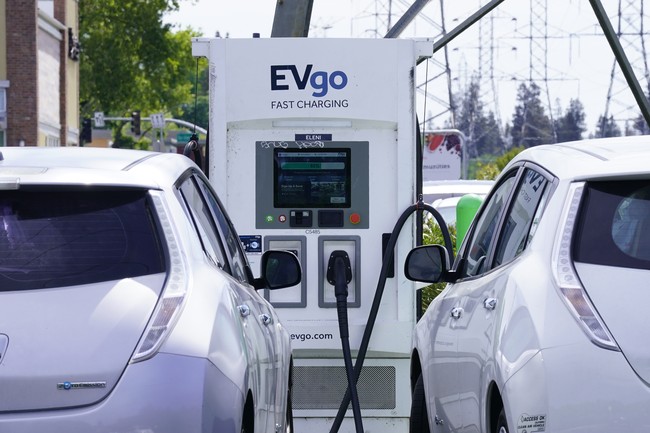
The Department of Justice has filed suit to stop California’s aggressive electric vehicle mandate, arguing federal law and national standards should prevail and that the state’s policy will raise costs, limit choices, and disrupt interstate commerce.
California is pushing a strict EV mandate that would force automakers to shift production toward zero-emission vehicles at a pace set by state regulators. The Trump administration says that move conflicts with federal fuel-economy authority and would drive up vehicle prices while shrinking consumer options. This case now lands in federal court, with the DOJ challenging the regulatory basis of California’s approach.
The federal complaint centers on preemption under the Energy Policy and Conservation Act, which the DOJ says makes the National Highway Traffic Safety Administration the exclusive regulator of fuel economy nationwide. From this Republican perspective, a single national standard protects consumers and ensures automakers can build cars for the whole country without being forced into a patchwork of state rules. The administration frames the suit as a defense of affordable cars and interstate commerce.
The “Freedom Means Affordable Cars” initiative is cited in the filings as a policy intended to lower new-car costs, reset corporate average fuel economy standards, and save families money on vehicle purchases. DOJ lawyers argue California’s rule goes beyond national standards and would compel manufacturers to retool factories and change product lines for one state’s stricter rules. Those costs, the argument goes, would be passed to buyers across the country and reduce options at dealerships.
The state’s Advanced Clean Cars II policy, adopted under a waiver negotiated with the previous federal administration, would require an increasing percentage of new vehicles sold in California to be zero-emissions. Critics in this view say electric cars shift emissions rather than eliminate them and rely on an electric grid that has been weakened by poor policy choices. The concern is practical: vehicles need energy, and until reliable, affordable energy is everywhere, forcing a specific technology risks higher costs and less reliability for drivers.
DOJ officials argue the litigation is aimed at preventing unlawful rules that raise costs created under the prior administration, and they stress alignment with presidential and cabinet priorities. That message is restated in the complaint and associated statements pointing to consumer affordability as the central harm. From the presidential policy angle, resisting state departures from federal standards is about keeping markets open and preventing regulatory chaos.
California’s Air Resources Board and its executive officer are named as defendants in the Eastern District of California. The lawsuit frames the state regulations as preempted federal territory under energy and fuel-economy law, asserting that NHTSA’s authority cannot be undercut by a state scheme. The case will test the balance between state environmental ambitions and asserted federal primacy over vehicle efficiency rules.
Automakers face a difficult choice if the suit fails: either follow a national standard or comply with a stringent California mandate that could require nationwide production changes. The DOJ’s position highlights the ripple effects on neighboring states and the entire automotive market. The worry expressed by Republican critics is that California’s regulatory reach will make cars more expensive and reduce consumer freedom to choose the vehicle type they want.
Beyond legal preemption, the controversy touches on energy policy and grid reliability. Critics argue that electrification at scale depends on a resilient, affordable power system, and that California’s track record shows fragility in meeting peak demand. Those concerns feed the broader Republican critique that ambitious state-level programs can outpace infrastructure and lead to unintended consequences for families and businesses.
Supporters of state mandates counter that aggressive emissions goals drive innovation and help combat pollution, but the DOJ suit insists national standards are the appropriate mechanism for balancing environmental and economic priorities. The legal fight will focus on statutory text, waiver authority, and the interplay between federal agencies and state regulators. Its outcome could set a major precedent for how far a state can push environmental rules that clash with federal law.
As the case proceeds, observers on both sides will be watching how courts handle questions about federal preemption, the reach of state regulatory power, and the economic effects of technology mandates. The Republican framing centers on protecting consumer choice and preventing higher costs imposed by a single state’s regulatory experiment. The litigation promises to clarify whether Washington or Sacramento gets the final say on the fuel economy and vehicle rules that shape how Americans drive.
…unlawful policies from the last administration to create exorbitant costs for our citizens — this Department of Justice is proud to stand with @POTUS and @SecDuffy to bring litigation that will make life more affordable for American consumers.”
President Donald J. Trump and Secretary Duffy created the “Freedom Means Affordable Cars” initiative to save the American people $109 billion over the next five years and save families $1,000 on the average cost of a new vehicle by resetting NHTSA’s corporate average fuel economy (CAFE) standards. California’s scheme would force carmakers to radically revamp their production lines nationwide to meet standards more stringent than the national standards adopted by NHTSA. The deviation would send car prices through the roof, restrict consumer choice, and undermine interstate commerce.


Add comment