
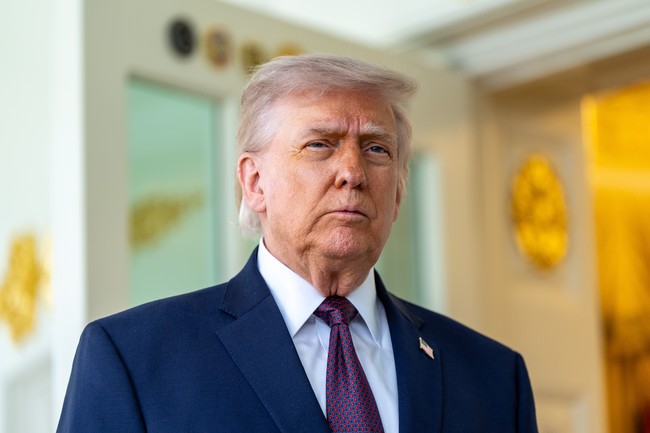
The Iranian regime has finally returned a written response to the United States about a proposed peace arrangement, and the reaction from the U.S. side has been sharp and skeptical. The reply reportedly offers steps to reduce hostilities and ease restrictions on shipping through the Strait of Hormuz, followed by a commitment to talks on the nuclear program, but key demands from the United States appear unmet. Washington and allied officials are focused on verification, timelines, and the fate of Iran’s enriched uranium stockpiles, all of which remain unclear in the regime’s document. President Trump has publicly dismissed Iran’s reply as unacceptable, framing four decades of Iranian behavior as consistent delay and deception.
The response from Tehran, as reported, seems to promise an end to immediate fighting and a phased reopening of maritime routes, but it ties those concessions to subsequent negotiations about nuclear matters. That sequencing—relief from the U.S. blockade first, followed by discussions about enrichment and material disposition—raises alarm bells among negotiators who insist on firm commitments up front. The Iranian side reportedly proposes diluting some highly enriched uranium and moving other material to a third country, yet specifics about quantities, timelines, and verification are not clearly laid out. Without airtight verification, any promise about material handling is provisional at best.
Iran is said to be willing to halt enrichment for a period shorter than the U.S. demand for a 20-year freeze, and it rejects the dismantling of nuclear facilities outright. That stance leaves a deep gap between what the U.S. regards as acceptable and what Tehran offers. The regime’s offer, if genuine, still leaves major questions about whether enrichment activities would be fully halted or merely curtailed, and how inspectors would confirm compliance. Any deal that allows Iran to preserve key facilities while pausing for a short time would be a partial and temporary solution rather than a definitive elimination of the nuclear threat.
U.S. officials must also confront the trust problem. Tehran has a long track record of obscuring nuclear work and using delays to its advantage, and Republicans in particular view such tactics as proof that concessions require ironclad verification. Intelligence estimates about stockpiles and capabilities are useful, but they are not a substitute for enforceable mechanisms and transparent third-party custody of material. Asking a third country to hold enriched uranium raises additional questions about monitoring and chain of custody—questions that get to the heart of whether a deal can ever prevent breakout potential.
Beyond the nuclear file, there are other unresolved issues that make a narrow transactional bargain risky. Proxy networks, ballistic missile programs, and regional aggression are not covered fully by a package focused mainly on shipping lanes and enrichment timelines. Any durable settlement would need to address the broader toolkit Iran uses to project power across the region, or the regime will simply regroup and resume destabilizing activities once immediate pressures ease. For a Republican viewpoint, the lesson is straightforward: partial concessions without wide-ranging accountability invite relapse.
The reported Iranian reply underscores one practical reality: the U.S. blockade and pressure campaign have been effective at forcing Tehran to the table and extracting concessions it might not otherwise offer. When a regime asks for relief on trade and movement of its vessels in exchange for talks, that signals vulnerability. Still, vulnerability does not equal reliability, and extracting meaningful, verifiable commitments requires sticking to hard demands rather than accepting staged promises. The administration’s leverage must be preserved until inspectors and third-party monitors can certify compliance.
President Trump’s public reaction was blistering and unambiguous, framed around four decades of what he calls “DELAY, DELAY, DELAY.” The president highlighted past U.S. practice under prior administrations and painted the Obama-era deal as a catastrophic giveaway that empowered Tehran. His rhetoric is aimed at making clear that the U.S. under Republican leadership will not repeat perceived past mistakes and will demand concrete terms and enforceable measures before lifting pressure.
“Iran has been playing games with the United States, and the rest of the World, for 47 years (DELAY, DELAY, DELAY!), and then finally hit “pay dirt” when Barack Hussein Obama became President. He was not only good to them, he was great, actually going to their side, jettisoning Israel, and all other Allies, and giving Iran a major and very powerful new lease on life. Hundreds of Billions of Dollars, and 1.7 Billion Dollars in green cash, flown into Tehran, was handed to them on a silver platter. Every Bank in D.C., Virginia, and Maryland was emptied out — It was so much money that when it arrived, the Iranian Thugs had no idea what to do with it. They had never seen money like this, and never will again. It was taken off the plane in suitcases and satchels, and the Iranians couldn’t believe their luck. They finally found the greatest SUCKER of them all, in the form of a weak and stupid American President. He was a disaster as our “Leader,” but not as bad as Sleepy Joe Biden! For 47 years the Iranians have been “tapping” us along, keeping us waiting, killing our people with their roadside bombs, destroying protests, and recently wiping out 42,000 innocent, unarmed protestors, and laughing at our now GREAT AGAIN Country. They will be laughing no longer! “
Careful, enforceable verification is the nonnegotiable element here; anything less is a recipe for renewed threats. That means detailed onsite inspections, real-time monitoring, and clear penalties for violations that trigger an immediate reinstatement of pressure. Policymakers who want a lasting outcome must insist on ironclad mechanisms that leave no room for ambiguity or staged compliance. Without that, a temporary pause in hostilities could simply be a strategic pause for Tehran to buy time.
The coming days will reveal whether the U.S. and allies see Iran’s reply as a starting point for credible, verifiable steps or as another stall tactic. Republican leaders will push for continued pressure and rigorous verification, arguing that concessions must flow only after demonstrable, irreversible actions. The stakes are high and the choices are stark: accept vague promises or require hard proof before easing pressure on a regime with a long record of duplicity.



Add comment