
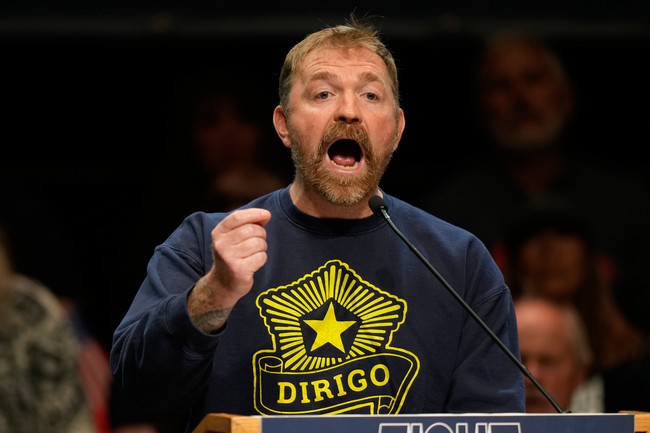
The latest dustup in Maine politics centers on Graham Platner and a campaign tweet attacking Senator Susan Collins, a move that reignited criticism over his past and handed opponents fresh ammunition while raising questions about judgment and messaging from his team.
The Platner campaign finds itself stumbling through predictable territory after a tweet accusing Senator Collins of being “bought and paid for by Benjamin Netanyahu.” Republicans who value strong messaging are watching in disbelief as a campaign already wounded by controversies keeps making tone-deaf choices. This isn’t just about one poor post; it’s about a pattern that undermines credibility at a crucial moment.
The core problem here is optics and audience. When you’re already under fire for a tattoo linked to extremism and a trail of offensive comments, attacking donations tied to American Jewish supporters is an obvious misstep. It plays straight into the narrative that Platner’s campaign lacks discipline and misreads basic voter sensitivities.
Critics on the right are pointing out the inconsistency of the attack. If the message attempts to portray Collins as beholden to foreign influence, it ignores that AIPAC, as an American organization, channels contributions primarily from individual donors. Suggesting those individual contributors have no right to support a candidate is out of step with conservative principles of free political speech and private charity.
Susan Collins’s latest financial report just came out.
A staggering one-third of her money raised this quarter came directly from AIPAC.
https://x.com/grahamformaine/status/2061504370903060966?ref_src=twsrc%5Etfw
Senator Collins is bought and paid for by Benjamin Netanyahu, and she votes accordingly.
Leaving that quote exactly as posted is important because the words are what sparked the backlash. For many voters, the phrasing crosses a line, conflating American donors with foreign control in a way that sounds conspiratorial. Republican voters especially bristle at rhetoric that seems to delegitimize voluntary political support from fellow Americans.
Beyond the politics, there is a tactical error. Platner’s claim about the math of Collins’ fundraising has been questioned, and even if the numbers were accurate, the interpretation is flimsy. Collins has taken positions at times that do not line up neatly with any supposed foreign backer, such as voting for measures that checked certain military actions, which weakens the idea that any outside influence buys uniform loyalty.
The Platner team also tried to paint Collins as a Trump loyalist, an angle that reads as desperate and off-target. Attacking a more established Republican from the right rarely works without a substantive contrast on policy and record, and this attack lacks both. Voters crave competence, and messy personal attacks after a string of personal scandals don’t convey competence.
From a conservative standpoint, the right response would be to highlight differences on policy and fitness for office, rather than sling accusations that risk alienating natural allies. Platner’s campaign, instead, doubles down on combustible social media posts that inflate controversy and distract from policy debate. That invites national attention for all the wrong reasons.
There’s also the broader cultural context to consider. Accusations that single out Jewish donors or imply dual loyalty are especially tone-deaf and politically dangerous. Republicans want to govern inclusively and build broad coalitions; alienating core constituencies over a rhetorical swing is a self-inflicted wound. Smart campaigns avoid giving opponents easy moral high ground.
Voters have noticed, and the reactions online were swift and scathing. Supporters who might otherwise be open to Platner’s message are asking whether his team understands how to run a Senate campaign. The optics of being defensive instead of proactive when credible questions arise about past conduct only magnify the concern.
This episode should be a wake-up call for campaigns that confuse outrage for strategy. The conservative playbook values clear principles, disciplined messaging, and respect for democratic norms, including the right of citizens to support candidates they prefer. When a campaign abandons those basics, it hands rhetorical victories to opponents and deepens doubts among swing voters.
At bottom, the Platner tweet debate isn’t just about one line of copy; it’s a test of judgment. Maine voters will decide if a pattern of poor choices and provocative posts matters more than fresh ideas and serious policy proposals. For now, the campaign has given observers more fodder to question whether it’s ready for the scrutiny of a statewide race.



Add comment