
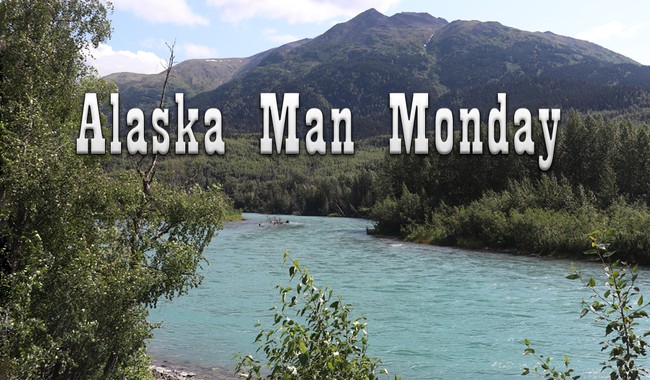
Summer warmth has finally arrived in the Susitna Valley, bringing sunny days and a lighter pace. This piece highlights a cross-country Texas-to-Alaska bike fundraiser, the recurring hazard of moose encounters in Anchorage, and a few local observations about staying safe around big wild animals. It keeps the original quotes intact and leaves embedded content in place for context and media. Read on for an upbeat update from the Great Land with a few blunt reminders about common sense in the outdoors.
We’ve enjoyed a run of sunshine and t-shirt weather here after a long winter, and it’s a welcome change. Warm days shift the rhythm of life in the valley and make long rides and outdoor chores a lot more pleasant. Being outside also means paying attention to wildlife and logistics when visitors come through.
A large group of University of Texas students is midway through a massive ride from Austin to Anchorage to raise funds for cancer research. The Texas 4000 tradition, running since 2004, sends students across thousands of miles each year to raise money and awareness. Each rider must raise at least $7,500, and the project this year is reportedly generating about $350,000 in donations, according to rider Aishwarya Kothalanka.
A group of 39 students at the University of Texas at Austin, split into two smaller teams, are currently seventeen days into a 70-day odyssey from Austin to Anchorage.
They are the 2026 standard-bearers of the Texas 4000, a yearly journey started in 2004, aimed at raising money for cancer research.
Each rider is required to raise at least $7,500 to participate, with many clearing that amount by a significant margin. The total raised, according to rider Aishwarya Kothalanka, is in the neighborhood of $350,000.
“And the idea is that we will be granting out this money along the route,” she said.
That’s a significant boost in research funding for one of the nastiest diseases humans can suffer from. Having lost several friends and one sister to cancer, I’m particularly glad to see this.
The students are organized into smaller teams and rely on local hosts for places to sleep along the way. Rider Nadia Toh noted they often accept whatever sleeping space is offered, from beds to floor space, and appreciate every bit of support. The trip crosses varied terrain, from flat prairies to hot deserts and steep mountain climbs, with more challenges ahead in the northern stretches.
Kothalanka, along with the eighteen other members of the Sierra team, were in Lake Tahoe, California, as of Tuesday night, staying with one of many hosts along the way.
“Typically, we are provided a space to sleep,” rider Nadia Toh said. “Sometimes it’s beds. Oftentimes it’s just space on the floor, which we appreciate just the same.”
The group has already encountered flat prairies, hot deserts, and steep inclines, with more challenges still to come.
“We’re already in bear country in the eastern Sierra, so every evening when we arrive at our place to stay, we need to move all of our food out of our vehicles,” Sierra route ride director Katie Chang said. “Later up in Canada, this is going to continue to be an issue.”
They’ll soon be moving into even bigger bear and moose country as they head farther north, so standard precautions will be essential. Moving food, securing gear, and following local advice reduce risk for both people and wildlife. With planning and respect for animals, long-distance rides like this can be safe and profoundly impactful.
Back home, Anchorage reported multiple moose-related injuries over a single weekend, all tied to mothers protecting calves. The Alaska Department of Fish and Game described five separate incidents that resulted in injuries, highlighting how dangerous a defensive moose can be. Biologist Cory Stantorf emphasized that these encounters happen when people get too close to calves and trigger maternal defense.
Five people were injured by moose in Anchorage this past weekend in five separate incidents, according to the Alaska Department of Fish and Game.
Biologist Cory Stantorf said the attacks occurred in different parts of town, but they all involved mother moose protecting calves.
In one incident, Stantorf said, a person was attacked on the trails behind Bartlett High School. The person was able to call the police on a cellphone, who responded. Stantorf said they ended up putting the mother moose down to protect the victim.
“They’re adorable but deadly,” he said, referring to the calves. “Because behind that cute baby moose is a mom who is very protective of her calves. Especially the first week of life, their defense mechanism is mom. She will be aggressive towards anything that she perceives as a threat to those calves.”
It’s a sad but preventable pattern: collisions or close encounters often stem from human choices rather than animal malice. A little distance and patience keeps both people and wildlife safer, especially around young animals. As my Old Man used to say, “common sense… isn’t,” so reminders are useful even if they sound blunt.
Funny moments come with summer travel too; the writer awards the Texas cyclists an “Alaska Man score” for cheerful resilience on the road. He imagines them dodging moose droppings and enjoying the long ride north, with the sense that careful planning and courtesy will see them through. That mix of humor and practicality is common in local storytelling and helps readers remember to stay sensible outdoors.
Finally, the post leaves room for local curiosity and embedded content that can add photos and video to the narrative.



Add comment