
I’ll explain why Senator Bill Cassidy opened a probe into New York Mayor Zohran Mamdani, outline the federal funding implications tied to civil rights compliance, recap the rescinded executive orders at issue, and describe the questions Cassidy is asking that could determine whether billions in education dollars remain intact.
Mayor Zohran Mamdani hit City Hall with big ideas but small results, and New Yorkers are already feeling it. Snowplows didn’t clear city streets effectively and trash piled up during the storm, leaving residents wondering if Madison Avenue rhetoric translates into real governance. That disappointing record has set the stage for a new battle over policy, safety, and federal dollars.
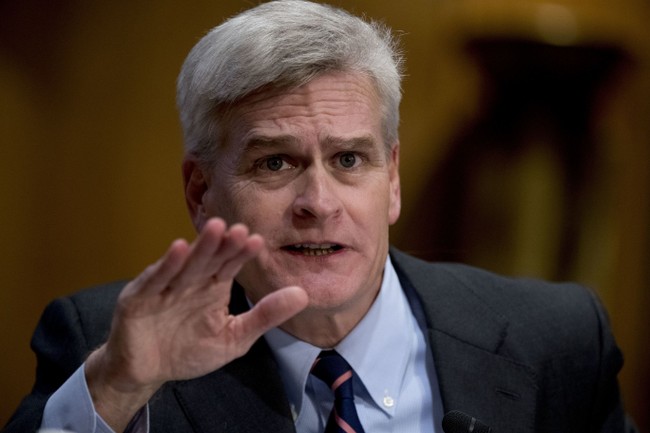
Senator Bill Cassidy has launched a formal oversight inquiry focused on actions he says “embolden antisemitism and put Jewish New Yorkers in harm’s way.” Cassidy is the chair of the Senate Health, Education, Labor, and Pensions Committee and he made it plain that federal funding comes with conditions. The New York City Department of Education depends on roughly $2.2 billion in federal aid, and Cassidy tied that money directly to compliance with civil rights obligations.
At issue are two executive orders issued under former Mayor Eric Adams that Mamdani chose not to renew. One order from June 2025 expanded the city’s working definition of antisemitism in a way that aligned with the International Holocaust Remembrance Alliance definition. The other, issued in December 2025, barred city officials from participating in boycott, divestment, and sanctions efforts targeting Israel. Rescinding these orders set off immediate concern from federal lawmakers worried about student safety.
Cassidy’s letter to Mamdani explicitly warned that continued eligibility for federal funding depends on adherence to federal civil rights laws and executive orders. That message is blunt and strategic: federal grants aren’t just generous, they’re conditional. If a city alters policies that federal officials see as weakening protections against discrimination, those conditions can be enforced.
Continued eligibility for this funding is contingent on compliance with federal civil rights laws and applicable executive orders designed to protect students.
The senator didn’t stop there. He noted that New York hosts the largest Jewish community outside Israel, some 1.77 million people or roughly 9.1 percent of the state’s population. In Cassidy’s view, leadership that fights antisemitism is essential to public safety, and the revocations could make Jewish students feel less secure. That concern has real policy teeth when tied to federal oversight.
New York City is home to the largest Jewish community outside of Israel, with approximately 1.77 million Jewish residents—about 9.1 percent of the state’s total population. Strong leadership against antisemitism and discrimination is essential to the safety and security of Jewish New Yorkers. As Chairman of the Senate Committee on Health, Education, Labor, and Pensions (HELP), I find it deeply troubling that one of your first official acts as mayor was to revoke two executive orders designed to protect students and combat antisemitism. It is my job to ensure every student feels safe, and at a time when Jewish students feel scared, I am concerned your actions will only exacerbate their fears.
Cassidy has given Mamdani a deadline to respond in writing by February 19, demanding a new working definition for antisemitism if one exists and whether the city will adopt it. The questions also press for specifics on what steps the administration will take to address antisemitism in public schools, colleges, and universities. Those are not soft, rhetorical questions; they require concrete policy commitments tied to federal standards.
The stakes are straightforward. Federal funding for education is substantial, and the Senate committee can make compliance a central part of oversight. For a mayor who campaigned as a Democratic Socialist and promised sweeping changes, the federal relationship is a reminder that local decisions can trigger national consequences. Federal money moved freely into city coffers; it can be restricted just as quickly if conditions are violated.
Public reaction in New York is mixed, and the political math complicates the narrative about who supports Mamdani. Exit polls from related races showed a split in Jewish voter support, with a notable minority backing Mamdani in recent contests. Even so, concerns about the safety of Jewish students and residents have bipartisan resonance when tied to federal civil rights commitments.
Cassidy’s approach looks like a classic Republican line: defend civil rights under federal law, protect vulnerable communities, and use fiscal leverage where necessary. That strategy is practical politics rather than abstract posturing. If the mayor wants to avoid losing access to federal funds, he will need to provide steady, written assurances and show policies that protect all students from discrimination.
Where this goes next depends on the mayor’s responses and whether federal officials view those answers as meeting legal obligations. Civic leaders in New York now face a simple choice: restore clear protections that reassure communities and secure federal funding, or press forward and risk a costly showdown. Either way, the federal probe promises to be a defining early test of Mamdani’s mayoralty.
Add comment