
I’ll lay out the core facts, note the competing claims, show the stakes for peace talks, include the direct quotations from officials, and explain why the claim matters for U.S. interests and negotiation leverage.
The past few days saw a loud, public clash over an alleged drone strike on a Russian presidential residence that has once again shoved peace talks into jeopardy. Moscow says Kyiv tried to hit Vladimir Putin’s home in northern Russia while Kyiv calls the story a “complete fabrication.” That sharp contradiction arrived at a tense moment as negotiators and leaders were talking about potential steps to end the conflict.
Russian Foreign Minister Sergey Lavrov put the accusation on the table, framing the alleged action as proof that Ukraine is moving toward “a policy of state terrorism” and warning of retaliation. Moscow then suggested it would reassess the negotiating stance and possibly reverse or stall agreed moves, putting the fragile momentum at risk. From a Republican viewpoint, this looks like classic Russian playbook: muddy the waters, kill progress, and gain leverage by creating a security panic.
The timing is obvious and consequential. Reports of improved talks and diplomatic movement made news just before this allegation landed, so any claim that undercuts trust will have an outsized effect. Moscow signaling a review of agreements can be a negotiation tactic masquerading as outrage, and the effect is to freeze any forward motion. That tactic threatens not only Ukrainian hopes but also broader Western strategy and leverage at the bargaining table.
Russia accused Ukraine on Monday of trying to attack President Vladimir Putin’s residence in northern Russia, although it provided no evidence to back up an assertion that Kyiv dismissed as baseless and designed to undermine peace negotiations.
The angry exchanges – including a statement by Russia that it was reviewing its stance in negotiations in response to the attack – dealt a new blow to prospects for peace in Ukraine.
On Sunday, U.S. President Donald Trump met Ukrainian President Volodymyr Zelenskiy in Florida and said they were “getting a lot closer, maybe very close” to an agreement to end the war, although “thorny” territorial issues remained.
Putin also struck a defiant tone on Monday, telling his army to press on with a campaign to take full control of Ukraine’s Zaporizhzhia region, and the Kremlin repeated demands for Kyiv to pull its forces out of the last part of the Donbas area that they still hold in eastern Ukraine.
Putin told Trump by phone that Russia, which invaded Ukraine in February 2022, was reviewing its stance following the reported drone attack, an aide said.
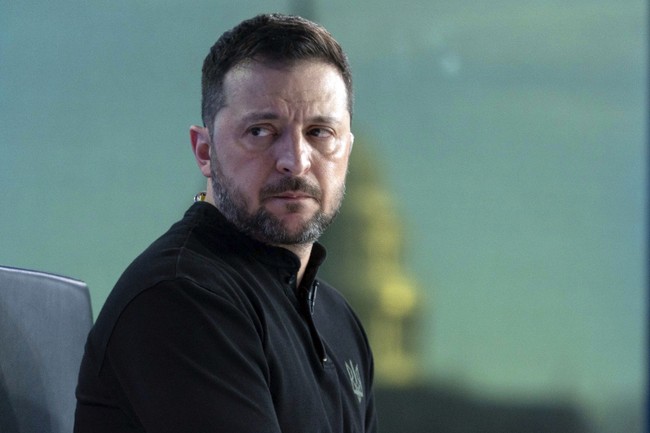
Volodymyr Zelensky answered immediately and forcefully, calling the report fabricated and asserting that Ukraine does not take steps that undermine diplomacy. His office insisted the story was a pretext for renewed attacks and for Moscow to dodge its own responsibilities in peace talks. That denial invites a simple political judgment: which side benefits from the narrative that an attack occurred?
This alleged ‘residence strike’ story is a complete fabrication intended to justify additional attacks against Ukraine, including Kyiv, as well as Russia’s own refusal to take necessary steps to end the war. Typical Russian lies. Furthermore, the Russians have already targeted Kyiv in the past, including the Cabinet of Ministers building.
Ukraine does not take steps that can undermine diplomacy. To the contrary, Russia always takes such steps. This is one of many differences between us.
Another Kremlin voice added fuel to the fire by telling Western interlocutors that the phone call to Donald Trump left U.S. leaders “literally outraged,” and Moscow said it would review previously reached solutions. Whether that phrase reflects genuine shock or a scripted move to freeze negotiations is the key question. For conservatives watching this, the more likely explanation is that Putin wants plausible grounds to stall concessions while keeping strategic pressure on Kyiv.
Yuri Ushakov, a Kremlin foreign policy aide, said in a separate Telegram statement that Putin and Trump had spoken on Monday and that Putin had been briefed by Trump and his senior advisers about Washington’s negotiations with Ukraine.
Trump was shocked and “literally outraged” when Putin told him that Ukraine had attacked a presidential residence in Novgorod, Ushakov said.
“Russia’s position will be reviewed on a number of agreements reached at the previous stage and on the emerging solutions,” Ushakov said. “This was stated very clearly.”
The political mechanics are simple: create an incident, cite it as justification for hardening positions, and demand concessions or delay. That approach buys time and saps Western appetite for risky compromises. It also forces the U.S. and allies to recalibrate public messaging and diplomatic moves, which can dull momentum.
You can reasonably doubt the claim without being soft on Russia or naive about Ukraine. Scrutiny of Moscow’s evidence, or lack of it, matters. If there is no credible proof, the narrative looks like a manufactured reason to derail progress, and the responsible course is to call for independent verification while keeping negotiation channels open.
The stakes go beyond headlines. If Moscow succeeds in using an unproven allegation to reset the table, the path to a negotiated settlement will narrow, prolonging the conflict and increasing costs for Ukraine and its backers. From a U.S. interest perspective, that outcome weakens leverage, emboldens aggression, and prolongs instability at European borders.
Given the pattern and incentives, the safer bet for now is skepticism of Moscow’s sudden, convenient claim. Meanwhile, the practical task for diplomats and leaders is to demand transparency, press for verification, and resist letting an unverified incident scuttle any hard-won bargaining progress.


Add comment