
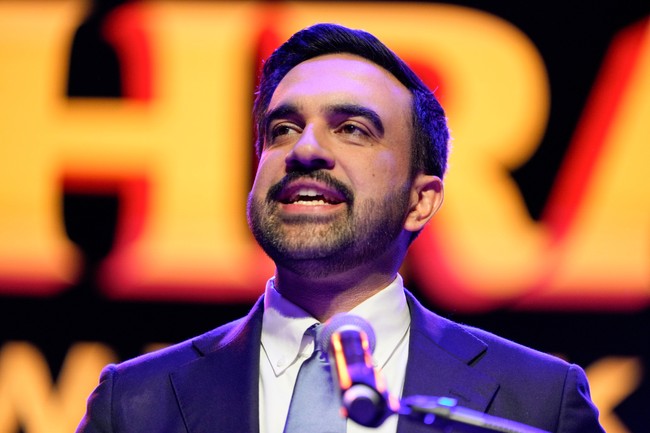
I’ll lay out how New Yorkers are reacting to Mayor-elect Zohran Mamdani, what a recent Siena poll reveals about his early support, which specific policies are resonating or worrying voters, how demographics and party lines break down, and why conservatives see trouble ahead as the city faces promises that require heavy revenue.
New Yorkers elected Zohran Mamdani, a self-described Democratic Socialist, and the initial shock has been followed by cautious curiosity across the state. A Siena University poll taken December 8-12 of 801 registered voters shows signs that some residents are softening toward him, but the details matter. Approval and optimism have ticked upward in recent weeks, not because the policies have been proven to work, but because expectations are shifting after the election. That shift is worth watching, since the promises on the table come with steep price tags and obvious second-order effects.
The poll finds Mamdani’s statewide approval at 46 percent, up from 40 percent in November, and a 49-32 percent margin of voters saying he will be good for New York City, also an improvement over prior numbers. Those upticks are real, but they are not landslide endorsements; they reflect a honeymoon that can evaporate fast once policy trade-offs become concrete. Voters often warm to a new leader in the immediate aftermath of an election and then reassess when headlines focus on budgets, services, and tax implications.
A larger proportion of residents now view his victory positively: the poll reports 66 percent consider Mamdani’s win a good thing, up from 57 percent in November, while 25 percent now say it is not good. The increase is concentrated in the city itself; suburban and upstate views had been more skeptical but are inching toward evenness. Party affiliation still predicts responses: roughly two-thirds of Democrats view him favorably, while about two-thirds of Republicans remain opposed.
Mamdani’s stated platform reads like an expansive public-spending agenda with items such as free bus rides, universal childcare, city-run grocery stores, and rent relief. The poll shows appetite for some of those ideas: 65 percent support free childcare and 50 percent back free bus rides, though sizable minorities disagree. Support for popular-sounding programs does not automatically translate into sustainable policy, especially when the proposed funding method is concentrated taxation on a narrow population.
The campaign’s professed funding source is higher taxes on households earning more than $1 million a year, a target that sounds politically convenient but is economically risky. Wealth flight and relocation are real responses when tax burdens spike, particularly in mobile, high-income cohorts the city depends on for payroll tax revenue, real estate investments, and charitable giving. Conservatives warn that promising generous services while narrowing the tax base is a recipe for shrinking revenues and deteriorating services.
Voters were also asked about a “friendly” meeting between Mamdani and President Trump, during which the president reportedly said Mamdani had the chance to “really do something great for New York.” Despite that comment, a majority — 47-29 percent — do not expect productive cooperation between Mamdani and Trump for the city’s benefit, although that skepticism has lessened from November’s wider gap. Political theater and photo-ops do not substitute for bipartisan policy deals, and many New Yorkers appear unconvinced that national figures will make local governance smoother.
The concern beyond headlines is straightforward: who pays for the freebies if the tax base erodes? Critics argue that people and businesses with means will relocate to friendlier tax climates or scale back their presence, leaving fewer payers to shoulder rising municipal commitments. That dynamic can lead to higher taxes on a shrinking pool, cutbacks in services, or both. For rank-and-file residents who enjoy the city’s amenities today, the risk is an unpleasant budgetary reckoning after the initial enthusiasm fades.
Conservative analysts point to the classic economic lesson that generous public benefits require stable revenue, and stability depends on a broad, growing base of earners and businesses. When policymaking centers on extracting more from a small slice of high earners, the incentives for those earners to stay change overnight. The result is a tug-of-war between short-term political appeal and long-term fiscal sustainability.
Siena pollster Steven Greenberg summed the moment with a phrase that captures both optimism and caution: “Enjoy the honeymoon, Mayor-elect Mamdani.” That observation stops short of a blunt warning, but the implication is clear — favorable early numbers can evaporate when policy meets practice. From a Republican perspective, the worry is not just ideological disagreement; it is practical concern about the fiscal consequences and the quality of life that follows if the city’s most mobile taxpayers decamp.

Add comment