
This piece argues that naming and confronting Islamist violence is a basic duty of leaders and citizens, tracing a personal shift after 9/11 and criticizing political and cultural forces that dismiss or excuse threats tied to radical Islam while urging elected officials to speak plainly and act decisively.
I was a casual follower of politics before 9/11, unaware of the scale and reach of radical Islamist terror until it hit American soil. The attacks changed that overnight, making the threat personal and urgent for millions of Americans. Seeing civilians targeted at home was a wake-up call that forever altered my view of national security and civic responsibility.
On September 11, 2001, I was in New York City and the day that was meant to return me home instead became a national moment of grief and fury. After getting back four days later, I joined countless others in mourning, praying, and trying to make sense of what had happened. The need to understand who orchestrated such violence turned attention toward networks led by Osama bin Laden and like-minded groups.
I went to church that next Sunday and wept as leaders tried to explain why such evil occurs, and I read more widely about Islamofascism and the networks behind the attacks that killed 3,000 people. That research made clear that some organizations tied to extremist Islamist ideology are among the deadliest and most persistent threats the world faces. Recognizing that reality is not hatred; it is assessment of a genuine and demonstrable danger.
The American left has crossed a line into disloyalty and subversive actions that undermine not only our national interests but those of our allies and fellow democracies. We especially see it in our universities, whose facilities are dominated by radicals who were born during the Vietnam War. We also see this subversion in our corporate media, which has become a critical tool for anti-American leftists and Islamofascists alike.
Calling out radical Islamist groups should not be controversial, yet too often the left and much of the media prefer euphemism and silence over clarity. The term “Islamophobia” has been weaponized to shut down legitimate criticism of violent extremist movements, confusing criticism of ideology and actions with prejudice against people. We need clear language to separate innocent believers of a faith from violent actors who use religion as a cloak for murder.
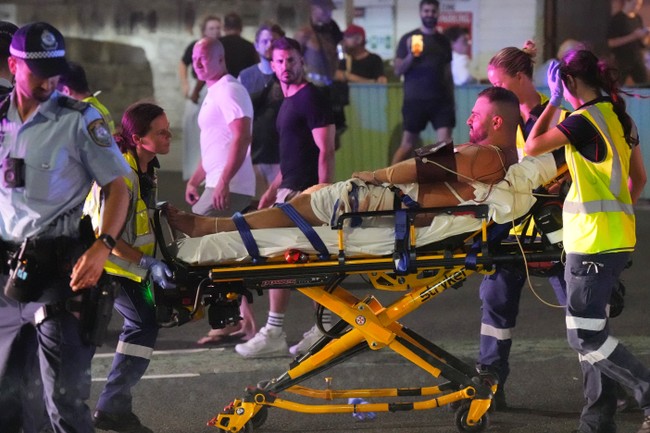
Recent attacks in the United States, including incidents in 2025, show that the threat persists and sometimes grows closer to home. Higher education has become a battleground where radical ideas can spread unchecked, and some campuses have become tolerant of rhetoric that crosses into endorsement of anti-American or violent positions. When institutions refuse to condemn extremism, they create breeding grounds for more harm.
Political courage matters. Republican leaders, state governors, and members of Congress have often been willing to name the problem directly and push for policies that protect citizens and allies. By contrast, many on the left remain reluctant to do so, fearing the political cost of offending certain constituencies or being labeled intolerant. That reluctance leaves Americans exposed and makes honest debate harder.
We must ask whether elected officials love the country enough to confront real threats or whether their priority is staying in power through pandering and pretense. When leaders put political optics ahead of national security, they fail their oath and imperil the public. Citizens deserve officeholders who will speak plainly about threats and back words with effective action.
Those running for office should be judged by their willingness to name, confront, and help solve problems tied to homegrown and international Islamist extremism. If a candidate cannot make clear condemnations and support meaningful counterterrorism measures, they are not fit for the responsibility of public office. Tough times call for leaders who will act rather than equivocate.
There is no virtue in silence when freedom and lives are at stake, and confronting organized, violent extremism is a nonpartisan duty even if too many treat it as a partisan issue. Saying what is true about the nature of the threat is the first step toward building the consensus and policies needed to keep communities safe. Americans should expect clarity, courage, and a commitment to protect the nation from those who wish it harm.



Add comment