
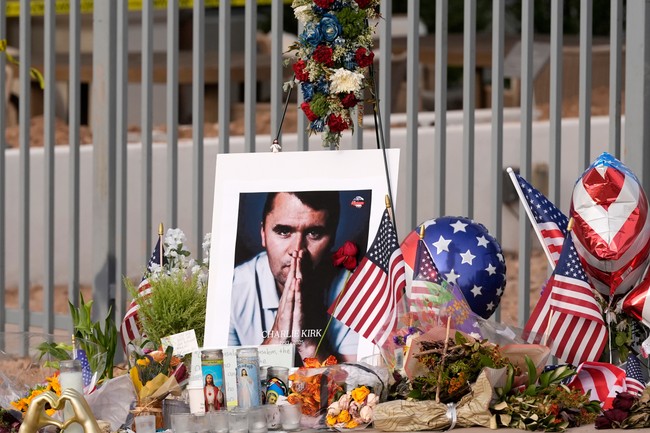
The murder of Turning Point USA co-founder Charlie Kirk and the media’s handling of the suspect’s motives exposed a brutal pattern: narrative-first reporting, sloppy fact treatment, and a press corps that often seems more interested in protecting left-wing narratives than seeking the truth. This article recounts how conservatives reacted to celebrations of Kirk’s death, how outlets pushed misleading takes about the alleged shooter, and why those missteps matter for a country where media trust is collapsing. It also highlights prominent responses from friends and allies, courtroom details about the suspect’s politics, and the deep frustration conservatives feel watching legacy outlets spin the story. The result is a warning about how unchecked media bias can inflame divisions and erase crucial context from major crimes.
The immediate aftermath of Charlie Kirk’s assassination saw an ugly chorus of celebrations from some on the left, and conservatives were right to call that out. Beyond fringe social posts, many on the right argued that mainstream outlets had long mischaracterized Kirk and that those misrepresentations helped create an environment where violence could be cheered. That argument is not about excusing criminal behavior; it’s about identifying how sustained misreporting feeds a culture of contempt toward political opponents.
Watching the corporate press narrate the suspect as politically neutral or toying with misleading labels only made matters worse for conservatives who trusted their instincts about motive and context. Corrections did follow in some outlets, but those edits rarely get the same attention as the original, misleading headlines. The stubborn tendency to downplay or reframe uncomfortable facts looks less like innocent error and more like narrative protection.
Three months on, Kirk’s widow and two young children have already endured their first birthday and holiday seasons without him, a human cost that is impossible to quantify. Meanwhile the media’s performance on the suspect’s background remained a focal point, because how the story is told shapes public understanding and political consequences. When newsroom errors align with a pattern of left-leaning framing, the suspicion grows that institutional bias is at play rather than mere sloppiness.
Conservatives noticed not just social-media celebrations but also troubling responses from some campuses and institutions where students and employees either minimized or celebrated the killing. Those reactions didn’t rise from nowhere; they were fed by years of dehumanizing rhetoric and selective portrayals of right-leaning figures. It is reasonable to call attention to that cultural context when assessing how segments of the population reacted to Kirk’s death.
TPUSA spokespersons and allies pushed back hard when late-night hosts and pundits advanced misleading claims about the suspect. The instinct to correct false narratives was strong because the stakes are so high: if the public believes false or incomplete versions of events, policy and public sentiment are distorted. That is exactly what friends and colleagues of Kirk warned against, insisting the facts deserved proper airing.
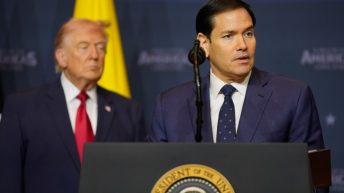
“This is a person who grew up in a pretty normal family…who was radicalized by the far left, by the social networks of the far left and by the ideas of the far left,” he added. “And got so far down the path of radicalization that he killed my friend [Charlie Kirk]! That is not a ‘both sides’ problem.”
“My friend is dead because of left-wing political radicalization,” Vance concluded. “And if you want to cut that [..] out, then be honest about it and look yourself in the mirror.”
Prosecutors’ filings added further weight to the claim that the suspect’s politics and personal relationships informed his actions. Court documents reported texts in which the suspect allegedly wrote, “I had enough of his hatred. Some hate can’t be negotiated out.” Family statements and charging papers indicated political shifts and personal dynamics that should have been central to any accurate account. Those are not abstract details; they speak directly to motive and the larger political environment.
Media defenders often treat corrections as proof of good-faith reporting, but conservatives see a pattern where initial frames stick with the public long after edits appear. In this case, the initial, oft-repeated characterization of the suspect as apolitical or miscast allowed false narratives to spread. That reality reinforces why watchdog reporting outside the mainstream is rising: people want sources that check the powerful and push back on sloppy coverage.
For many on the right, this episode is another data point in a broader crisis of confidence in legacy media. When stories about politically charged violence are shaped to protect a preferred narrative, trust erodes fast. The consequences go beyond partisan grievance; they alter how communities process violence, accountability, and political radicalization.
Conservatives are left with a simple demand: tell the truth and stop manufacturing cover stories that whitewash motive. Honest, careful reporting won’t erase political disagreements, but it will help prevent politicized storytelling from fueling further division. Until that change happens, skepticism toward many newsrooms will only deepen as people look elsewhere for clearer accounts.
Public reaction to polls showing dangerous attitudes toward political violence only underscored the urgency of the problem. Those results were a stark reminder that cultural rot can spread if institutions refuse to face uncomfortable realities. The conversation about media responsibility, not just media criticism for its own sake, is essential to restoring some baseline of civic trust.
Calls for accountability have come not only from partisan allies but from people who recognize that a free press has a duty to avoid amplifying falsehoods. When outlets shy away from that duty, their credibility collapses and polarization accelerates. That dynamic explains why many Americans now turn to alternative platforms for information they can trust.
Moving forward, conservatives will continue to press for factual, nonpartisan coverage of crimes and political violence, because accurate reporting matters for justice and public safety. The challenge is getting institutions that have shown repeated bias to accept scrutiny and change course. Absent that shift, distrust will remain the default response when headlines collide with uncomfortable facts.


Add comment