

I’ll describe what happened during a Minnesota ICE operation, detail the confrontation caught on video, report on the woman’s claims and the agents’ response, and include the original embedded media for context.
Federal Immigration and Customs Enforcement agents carried out a residential enforcement action in a Minnesota neighborhood that quickly attracted protesters and chaos. Dozens of people were reportedly arrested as the scene turned confrontational, and one short encounter drew the lion’s share of attention online. Video shows a woman using her car in an apparent attempt to block the agents, creating a dangerous standoff in a public street. The clip captured the moment agents moved to extract her and restore control of the operation.
In the recording, officers repeatedly tell the driver to “move” and gesture for her to drive away, but she refuses to comply and instead shouts at people filming. At one point she says, “This person says they’re going to break my window if I don’t move my car.” That admission in the footage underscores that she heard the commands but chose to stay put, which escalated the situation. Agents then work to open doors and windows while the crowd presses in, increasing the risk to both officers and bystanders.
When an officer attempts to open the driver’s door the woman jerks the car forward a short distance, then stops again, even though the road ahead is visibly clear in the video. Onlookers can be heard urging her to “go, go, go, go, go,” implying she could have left at any time. Instead, agents break the passenger-side window and reach in to remove her while another officer opens the driver-side door. She is quickly pulled from the vehicle, pushed against the car, and handcuffed amid shouts from the crowd.
Once detained, the woman loudly claims she is disabled and traumatized, asserting, “I’ve been beat up by police before,” and “I’m disabled, I’m trying to go to the doctor up there, that’s why I couldn’t move. I am an autistic disabled person, I’m trying to go to the doctor.” Those statements were made on camera, but officials and witnesses have not confirmed the veracity of her medical claims. From a legal perspective, there is no documented exemption that would allow a driver to ignore direct orders from law enforcement in a way that endangers an active federal enforcement action.
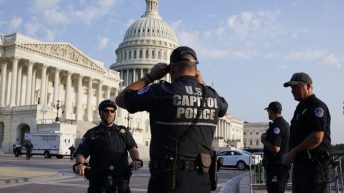
Critics in the crowd hurled insults at the agents, with one protester calling them “Nazis” and shouting, “You will pay for your crimes.” The hostile atmosphere made it harder to carry out the enforcement safely. Security personnel are trained to de-escalate when possible, but they must also protect officers and the public from obstruction that can hinder arrests or lead to injuries. When obstruction becomes physical or deliberate, arrests are the foreseeable consequence.
Marcos Charles, ICE ERO acting executive associate director, told a national outlet the agency will not tolerate interference in its operations. He said, “We will be arresting anybody that interferes or impedes in any of these enforcement actions,” and added, “We’ve already arrested 60 … that have got in our way, impeded us, or assaulted an officer.” That statement underlines the agency’s intent to continue enforcing federal law and to hold accountable those who obstruct agents performing lawful duties.
The incident follows another recent case in which a woman named Renee Good allegedly attempted to block federal agents and wound up in a fatal confrontation after driving off while an officer stood in front of her vehicle. In that earlier episode, an agent fired a shot after being struck, and Good later died. That tragedy is still fresh in public memory, and it frames how officers may respond to risky, noncompliant behavior near enforcement actions.
Observers on both sides of the debate will argue intent and context, but video evidence here shows a deliberate choice to impede agents amid clear commands. If the crowd or the driver truly feared for safety due to a medical condition, the prudent step would be immediate communication and compliance until a safe resolution can be arranged. Instead, the refusal to move forced officers into a position where they had to act to secure the scene and proceed with their duties.
These enforcement operations are volatile by nature, especially when activists try to turn them into public spectacles. The footage makes it plain that an orderly street was available and that the woman could have left. When citizens intentionally place themselves between law enforcement and those being detained, they increase the chance of arrest and injury. The agents’ response here followed from that reality, and the arrests that followed were part of reasserting control and finishing the mission safely.

Add comment