
I will explain how Iranian state media misrepresented a Vatican diplomatic honor, show the Vatican’s clarification, examine why Tehran spun the story, and lay out why the normal protocol looks different when the honoree represents a murderous regime.
Iranian state outlets erupted claiming the Vatican had given Iran’s ambassador to the Holy See, Mohammad Hossein Mokhtari, the Knight of the Grand Cross of the Pontifical Order of Pius IX as a special, pope-bestowed honor. The initial reports framed the award as recognition for “strengthening diplomatic ties and serving the cause of peace and dialogue” and suggested the pope personally endorsed Iran’s position. That framing landed on social platforms and immediately set off outrage given Iran’s recent domestic massacres and decades-long record of exporting terror.
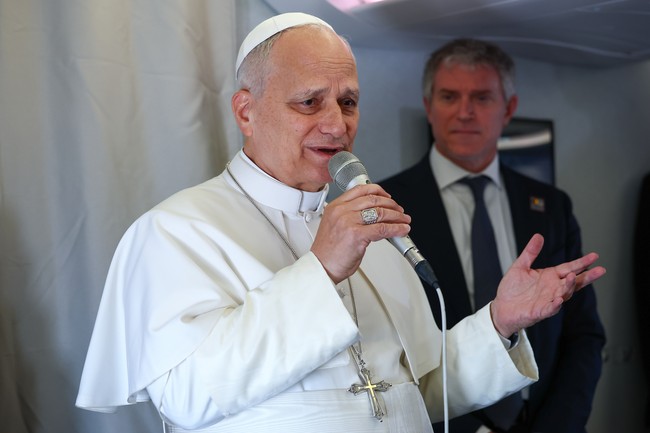
The Iranian outlets went further and described the decoration as the Vatican’s highest diplomatic honor, implying an exceptional gesture of approval toward Tehran. State press highlighted phrases like “efforts to promote peace, dialogue, and bilateral relations” to bolster the narrative that Iran is being embraced diplomatically. The story leaned heavily on a photograph of the ambassador with the pope, a visual pushed to suggest a formal, personal bestowal of the medal. That image, however, was not from any recognition ceremony tied to the reported decoration.
Predictably, the White House-aligned and diplomatic accounts pushed back with a far more routine explanation. The U.S. Embassy to the Holy See clarified that the decoration in question is standard for all accredited ambassadors who have served two or more years, not a singular honor directed at Iran. The embassy also noted that the decoration is a personal recognition and “does not imply support or opposition to any policy or country,” pointing out that many ambassadors, including past U.S. envoys, have received the same recognition.
Iranian outlets continued to repeat the misleading line that “officials praised the Iranian embassy’s activities in advancing peaceful coexistence, wisdom, tolerance, and interfaith dialogue,” and that the pope “expressed appreciation for Ambassador Mokhtari’s services in strengthening ties with the Holy See.” Their presentation made it sound like Tehran had won a diplomatic seal of approval from the Vatican itself. That representation was the core spin: a routine diplomatic courtesy dressed up as papal endorsement.
The report further claimed that “officials praised the Iranian embassy’s activities in advancing peaceful coexistence, wisdom, tolerance, and interfaith dialogue,” and that in the official decree, Leo “expressed appreciation for Ambassador Mokhtari’s services in strengthening ties with the Holy See.”
Once the Vatican protocol was clarified, many on X responded with anger and disbelief, noting the regime’s domestic bloodshed and long record of sponsoring terrorism. The backlash focused on the optics: awarding a formal diplomatic token to an envoy from a government accused of massacring its own citizens looks terrible, even if the award itself is routine. That’s the problem with optics in diplomacy—context and timing change the message entirely.
Iran’s pattern of propaganda manipulation was on full display: stretch a standard practice into a headline-grabbing claim, reuse a sympathetic photo out of context, and let state outlets amplify a false impression. The Vatican found itself unintentionally drawn into Tehran’s information operation, and the result was a lesson in how easily routine protocol can be weaponized for domestic and international messaging. The pope did not personally hand the decoration to Mokhtari, and the photo circulated by Iranian media was unrelated to any such presentation.
Contrary to news reports, Pope Leo has not bestowed an exclusive special honor on the Iranian Ambassador to the Holy See. This decoration is given to all accredited ambassadors to the Holy See after 2+ years of service and has been standard practice for many years. It is a personal recognition and does not imply support or opposition to any policy or country. Thirteen ambassadors were recently given this recognition. Previous U.S. ambassadors have all received the same. Finally, the decoration was not given in person by the pope.
That routine explanation doesn’t erase the political reality: giving any recognition to a representative of a regime that recently slaughtered protesters and continues to execute dissenters is fraught. Even if the Vatican follows a consistent protocol, diplomats and publics will read intent into the gesture. In this case, Tehran exploited the ambiguity, turning a standard honor into propaganda gold and hoping to soften its international image.
The incident underscores a simple point for diplomats and the media: routine ceremonial acts can be reframed, and once that spin takes hold, damage control is awkward and slow. For those watching Iran from a security-focused perspective, context matters far more than the label on a medal. When a regime with a 47-year history of violence presents itself as a peacemaker, skepticism is not only warranted, it’s necessary.



“officials praised the Iranian embassy’s activities in advancing peaceful coexistence, wisdom, tolerance, and interfaith dialogue,”
peaceful coexistence??? Massacres of Christians in Africa and elsewhere, burning them alive and chopping off heads and this Fake Pope, Bergoglio 2.0 pats them on the back!
What the hell is this Fake Pope doing getting immersed in Global Politics and Political Affairs in the first place!
Oh right he is serving the Globalist Cabal New World Order Just like his predecessor did daily or in other words paving the way for the Antichrist!