
Checklist: Critique the policy called “no forced removal”; report the human toll and numbers; compare other cities’ outcomes; argue for compulsory intervention as compassion; retain original quoted phrases and embeds.
Leftist “compassion” has become a policy label that too often excuses neglect and dangerous outcomes. In New York City under Mayor Zohran Mamdani, 18 people have died of exposure this winter while the administration maintains a strict “no forced removal” stance. That phrase matters because it frames inaction as virtue, even when people freeze to death on public sidewalks.
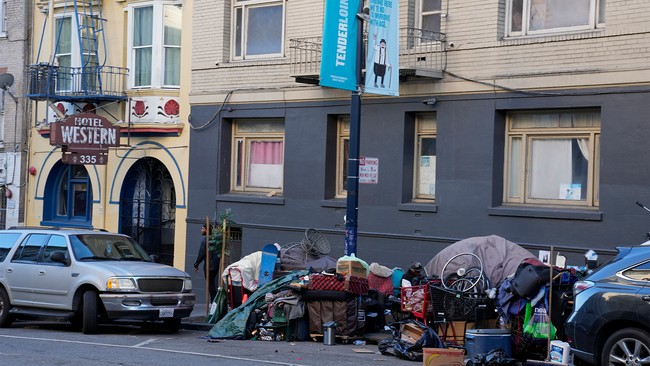
The reality on the streets is grim: mentally ill people and those with addictions are left to sleep outdoors, shoot up in alleys, and relieve themselves on doorsteps. These are not abstract problems; they are human beings unable to secure basic necessities or care. Allowing encampments to persist without intervention is described by some as compassion, but the results speak for themselves.
What kind of compassion permits people to die from exposure when the city could remove them to shelter and treatment? If someone cannot keep themselves safe, then leadership has a duty to act, not to wait for voluntary compliance. Keeping people in dangerous conditions because of a policy that forbids forced removal is neglect by another name.
Anchorage, Alaska, shows the consequences on a harsher scale. Anchorage police recorded 45 outdoor deaths in 2025 among people who had no fixed address. That number is only slightly lower than the two prior years, each with about 50 outdoor deaths, and remains historically high. In a place where temperatures plunge into double-digits below zero, leaving people outside is a death sentence.
Anchorage police recorded 45 outdoor deaths in Alaska’s largest city in 2025, according to recent reporting by the Anchorage Daily News.
That’s defined as people dying outside who had no fixed address.
And while 2025 saw slightly fewer than the 50 outdoor deaths that occurred in each of the two prior years — creating a grim tie for what is thought to be the all-time high — there were still many more than the past.
Anchorage also faces wildlife dangers where trash-strewn encampments attract bears, compounding the risk to vulnerable people. The broader pattern is clear: cities that prioritize hands-off policies are witnessing avoidable deaths and public-health disasters. Street-level neglect becomes a cycle that harms both the homeless and the wider community.
There are moral and practical arguments for firm action. Morally, leaving people to die is indefensible. Practically, encampments breed crime, chronic public sanitation crises, and strain services. Leaders who refuse to employ forced removal when necessary are abdicating responsibility to protect life and public order.
The scope of the problem calls for decisive, compassionate authoritarianism: temporary, protective custody that keeps people alive while they receive detox, treatment, or psychiatric care. This is not cruelty; it is the basic duty of government to preserve life. When someone cannot choose safety for themselves, the city must step in for their own good and for the good of the community.
Critics will call this paternalistic, but the alternative is a steady stream of preventable tragedies. If policies are intended to protect dignity, they cannot be written so strictly that dignity is sacrificed on the altar of ideology. Real compassion can look like firmness when firmness saves lives.
The cost of inaction is visible in the bodies found on sidewalks and in the ruined storefronts and parks that become de facto shelters. Public tolerance of those conditions corrodes neighborhoods, deters business, and dismantles civic life. Cities that reverse course and prioritize rescue and treatment can reduce death and restore order.
Mayors and municipal leaders must balance civil liberty with public safety and human welfare. The current extreme of “no forced removal” tilts that balance dangerously toward neglect. Reasonable policy would allow removal into supervised shelters, mandatory short-term stabilization, and wraparound services until individuals are safe and capable of making better choices.
For those who still cling to a hands-off ideology, consider the human faces behind the statistics: 18 frozen to death in New York this winter, 45 outdoor deaths in Anchorage the year before. Numbers like these are not arguments; they are indictments. Leadership that abides such outcomes needs to rethink what compassion actually requires.
Editor’s Note: Every single day, here at RedState, we will stand up and FIGHT, FIGHT, FIGHT against the radical left and deliver the conservative reporting our readers deserve.



Add comment