
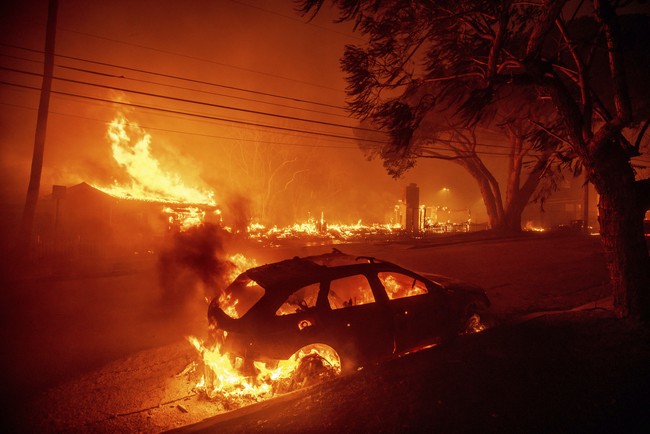
The Spokane area is facing a major wildfire emergency that has forced mass evacuations and destroyed homes, with officials racing to assess causes, contain the flames, and support displaced residents. Multiple fast-moving fires merged along the northern edges of the county, producing dramatic damage across thousands of acres and prompting a statewide response from firefighting teams and support agencies. Investigations are underway into how the fires began and whether a pattern of suspicious blazes in the region played a role, while community leaders and state officials coordinate emergency declarations and relief. This article recounts the known facts, reports direct quotes from officials, and places the incident in the context of recent local fire activity and firefighting efforts.
Three fires near Spokane expanded rapidly over a single weekend, overwhelming local resources and sending tens of thousands of residents out of their homes. Early reports put the burned area in the thousands of acres and noted extensive structural losses, with officials still working to determine containment levels and exact damage tallies. High winds and dry conditions contributed to the rapid spread, and crews deployed both ground and air assets as they attempted to hold lines and protect communities. Local infrastructure was impacted, leaving many neighborhoods without power and residents searching for temporary shelter.
SPOKANE — Three wildfires on the edge of Spokane exploded into massive conflagrations over the weekend, forcing more than 60,000 people from their homes and scorching about 700 structures, catapulting the disaster into one of the most destructive in Washington’s history.
Thousands of people remained without power and those who have been pushed out of their homes must find new places to stay as the Autumn Lane, Fairview and Old Trails fires raged across an estimated 8,000 acres, or 12 square miles, on the northern edges of the county.
“So to the people suffering right now, either loss or uncertainty, our hearts go out to you,” Spokane Mayor Lisa Brown said at a news conference Sunday afternoon. “We will be here for the long term.”
https://x.com/CC_StormWatch/status/2084022455094464513
Officials have mobilized statewide resources to support local firefighters, with mutual aid bringing additional crews and equipment from neighboring jurisdictions. Aerial resources, including helicopters and air tankers, were used for water and retardant drops to slow fire growth where crews could not safely operate on the ground. Evacuation centers were opened and utility companies worked to restore power where it was safe to do so, while damage assessments began once areas were deemed secure. The magnitude of the incident has prompted a state of emergency declaration to streamline support and recovery operations.
Fire officials reported that one blaze began in vegetation and then spread quickly under windy conditions, sending embers across natural barriers and igniting other areas. Chief Cody Rohrbach described how a single ignition spread within minutes and effectively produced multiple, larger fires that jumped the Spokane River and pushed into suburban neighborhoods. The sudden growth forced ordered evacuations and left many homes damaged or destroyed as crews focused on saving lives and limiting further spread. Investigators continue to piece together the timeline and origins of each fire.
Gov. Bob Ferguson said he spoke Sunday to President Donald Trump, who “expressed his concern for the people of Washington during this difficult time.”
The incident has been referred to locally as the Spokane Complex Fires as responders treat the three fires as related events in a single operational response. Fire investigators are working to determine ignition sources, while officials call for patience and cooperation from displaced residents and volunteers. The response has included law enforcement, emergency management, and community organizations coordinating shelter, food, and medical needs. Recovery planning will involve assessments of infrastructure repairs, environmental impacts, and longer-term housing needs for those who lost homes.
Reports from the field describe dramatic scenes as flames moved rapidly through brush and along roads, making containment difficult in many sectors. At one point, the fires were reported with zero containment in some areas as crews prioritized protecting lives and critical infrastructure. Preliminary counts of destroyed structures continue to change as crews reach neighborhoods and collect damage reports, and officials caution that final totals will take time to confirm. Public safety messaging has emphasized following evacuation orders and staying clear of fire zones to avoid impeding response efforts.
Massive flames race alongside a roadway as the Spokane Complex Fire tears through eastern Washington, forcing tens of thousands to evacuate.
The fast-moving fire is made up of the Old Trails, Fairview and Autumn Lane fires and has burned more than 8,000 acres with 0% containment as of Monday.
Officials say more than 600 structures across Spokane County have already been destroyed as crews continue battling the blaze.
Local officials and some observers noted that the area experienced a string of suspicious small fires in the months prior to this event, and those incidents are part of the ongoing public discussion as investigators review patterns. Law enforcement previously responded to multiple small brush fires and at least one arrest was reported in connection with earlier incidents the year before. Authorities say any leads will be pursued, and the public is encouraged to report suspicious activity that could aid investigations. Understanding whether there is any connection among local events is part of the broader fact-finding effort.
Law enforcement is investigating a surge of suspicious fires reported throughout Spokane over the past few days.
According to the Spokane Fire Department, the first of the 15 fires was reported just after midnight on July 8 in front of the Red Wagon in Riverfront Park. Crews arrive to find a scorched landscaping bush.
As the incident unfolds, community leaders stressed support for evacuees and called for clear coordination among agencies providing aid. Fire behavior experts pointed to drought conditions and dry fuels as key factors that worsened spread, while crews worked to contain hot spots and prevent re-ignition. Residents displaced by the fires faced uncertain near-term housing prospects, and recovery plans will take shape as assessments proceed. Officials plan to update the public regularly with verified information as it becomes available.
Commentary and local debate about root causes, prevention, and resource allocation have already begun, reflecting the community’s search for answers and long-term solutions. Conversations range from land management practices and emergency preparedness to addressing social and economic conditions that can complicate prevention and response efforts. Emergency officials continue to emphasize immediate safety and the importance of heeding evacuation notices and official instructions. Rebuilding and recovery will require coordinated efforts across multiple levels of government and the private sector.



Add comment