
Michelle Obama’s Parenting Comments Spark Pushback and Praise
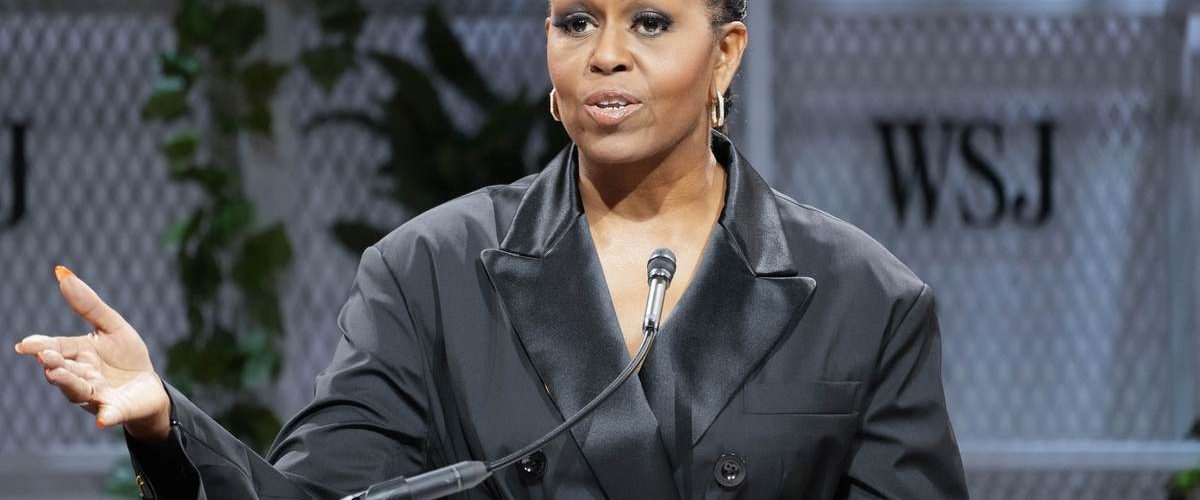
Former First Lady Michelle Obama’s recent remarks about parenting, delivered on a podcast, stirred a mix of criticism and defense from the public. Her comments about relief at no longer being the primary caregiver have prompted sharp reactions from conservatives and some supporters alike. The discussion taps into larger debates about privilege, motherhood, and how public figures speak about private life. This article lays out the response, the quotes, and why the exchange matters.
Michelle Obama has been a frequent presence in public conversations for years, and her podcast appearances keep her in the spotlight. She described relief that the intense demands of active parenting are behind her, a sentiment that landed differently across the political spectrum. For some, it sounded like an honest admission after years of relentless attention; for others, it read as tone-deaf coming from someone of immense wealth and influence.
Her career and platform are enormous: a former first lady with access and resources few families enjoy. That context shapes how her private reflections are received in public. When she frames parenting as something she’s happy to be done with, critics point to the contrast between her luxury and the struggles of ordinary parents balancing work, bills, and childcare.
On Jon Stewart’s podcast, the exchange was straightforward. Stewart remarked on missing the energy of children around the house, and Michelle replied with a line that grabbed headlines: “I don’t! I love them. I’m going to see them tonight for dinner. I love them. But Barack cried when they went to college. I was like, ‘Bye, goodbye!’” Those exact words have fueled much of the debate that followed.
That candid line was followed by a broader comment about her schedule. She said, “I love my schedule,” and described enjoying a life that is organized around her own time. To many conservatives, that phrasing sounded more like relief at regained convenience than a bittersweet take on a parenting chapter ending. The reaction reflects a partisan lens shaping how personal remarks are interpreted.
Some responses were scathing. Conservative voices argued that someone with considerable means shouldn’t express jubilation at the end of parenting duties without acknowledging the advantages that made parenting easier for her. That critique centers on fairness and empathy: public figures with privilege get to exit parenting more cleanly than most families do.
https://x.com/townhallcom/status/2093439452165357975?ref_src=twsrc%5Etfw
Other critics went further, accusing her of resentful language toward motherhood itself. One commentator wrote, “This podcast is just her sitting around her mansion in Martha’s Vineyard complaining about how hard her life of luxury is, and how much she despises her husband and children.” That perspective frames the remarks as performative grievance rather than honest exhaustion.
Not all reactions were condemnatory. Some listeners defended the right to celebrate a new life phase after decades of parenting responsibilities. They note that raising children is exhausting and that sharing relief is a human response, not a moral failing. Still, those defenses often come with the caveat that public figures should be sensitive to less privileged parents.
The controversy also arrived amid a national conversation about extreme cases of parental violence, which has made talk about parental burnout especially fraught. Critics said the timing made the comments seem tone-deaf, while defenders argued it was unfair to link routine expressions of relief with monstrous crimes. The debate highlights how context can transform private remarks into political flashpoints.
For many conservatives, the core objection is simple: public figures who benefited from wealth and staff should avoid dismissive language about parenting. That critique calls for leaders to show solidarity with everyday parents who do not have a support system of nannies and prolonged privilege. It’s a call for empathy grounded in a sense of shared sacrifice and responsibility.
Supporters of Michelle Obama counter that her candor about personal life is part of a broader openness she has displayed in public roles. They argue that acknowledging joy at personal freedom does not equate to contempt for parenthood itself. Yet even sympathetic reads often acknowledge the awkward optics when privilege is obvious.
The episode underscored how a single, offhand comment can define a media cycle when it involves a high-profile figure. It also revealed the partisan filters that shape reactions: conservatives emphasize class and duty, while progressives emphasize personal autonomy and self-care. Either way, the exchange has pushed parenting back into national conversation and made many people reexamine how leaders talk about family life.
Across the board, people are debating not just what was said, but what public remarks from privileged figures should look like. Is candor enough, or is context and tone required when millions of parents lack basic supports? That tension is at the heart of the backlash and will likely shape similar reactions to celebrity talk for some time.


Add comment